Công ty Hải Đức Bột với hơn 10 năm kinh nghiệm vận chuyển khí, cung cấp hệ thống‑thiết bị‑quạt gió và nhận dự án tổng thầu bột cả nước
White sugar, as a widely used food additive and raw material in various industries, requires efficient and reliable transportation methods to ensure product quality and operational safety. Pneumatic conveying systems have become a popular choice for sugar handling due to their ability to transport bulk materials like white sugar in a dust-free, hygienic manner. However, designing an effective and efficient white sugar pneumatic conveying system involves careful consideration of multiple factors to meet the specific needs of the application.
Key Considerations for White Sugar Pneumatic Conveying System Design
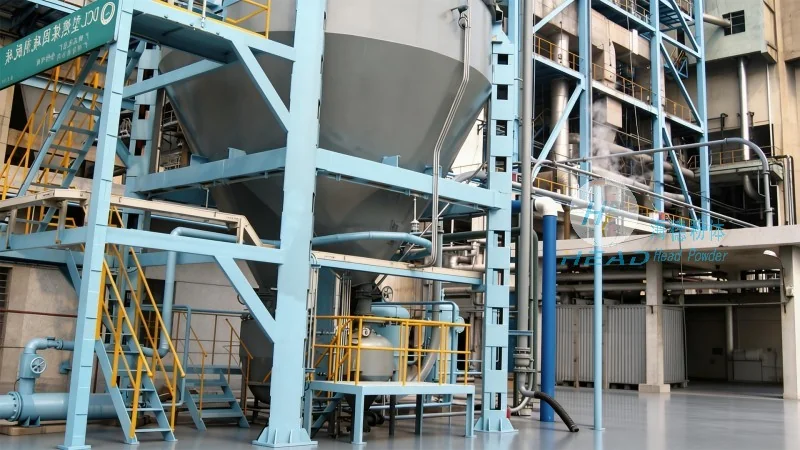
When designing a white sugar pneumatic conveying system, several critical factors must be evaluated to ensure optimal performance and longevity. The first step is to assess the material characteristics of the white sugar, including its particle size, moisture content, and flowability. These properties directly impact the selection of the conveying method—such as dilute phase or dense phase—and the required air velocity and pressure. For white sugar, which typically has fine particles and low moisture, a dilute phase system may be more suitable, as it allows for faster and more uniform transport while minimizing the risk of clogging or material degradation.
System Components and Their Roles
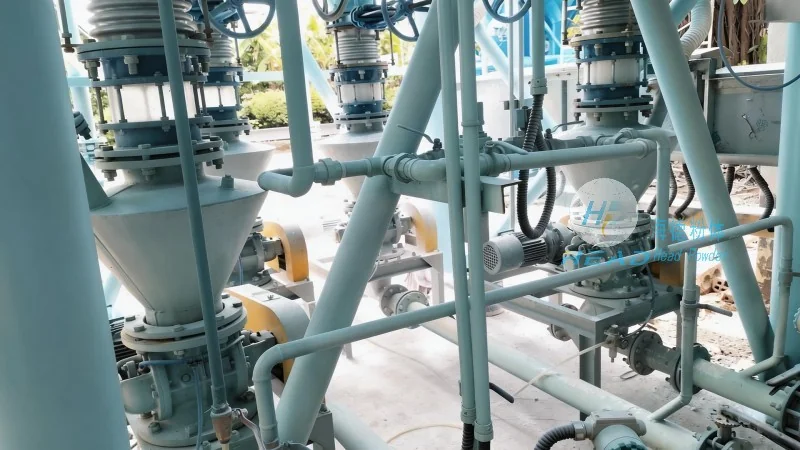
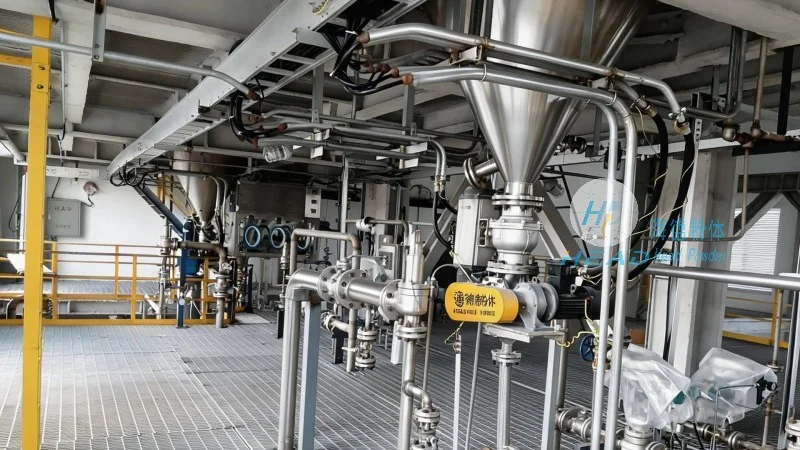
A white sugar pneumatic conveying system consists of several key components, each playing a vital role in the overall operation. The primary components include the hopper or storage silo, which holds the white sugar; the feeder, which controls the material flow into the system; the air compressor or blower, which provides the necessary air pressure; the conveying line, which transports the sugar; and the receiver or discharge hopper, where the material is collected. The choice of each component depends on the system's capacity, the distance to be covered, and the desired conveying speed. For example, a rotary valve or star feeder is commonly used for white sugar to ensure a consistent and controlled feed, preventing blockages and maintaining system efficiency. The air compressor must be selected based on the required air volume and pressure, with considerations for energy efficiency and noise levels. The conveying line, often made of stainless steel to prevent corrosion and contamination, is designed to handle the specific particle size and flow characteristics of white sugar, minimizing wear and ensuring a clean transfer.
Designing for Hygiene and Safety
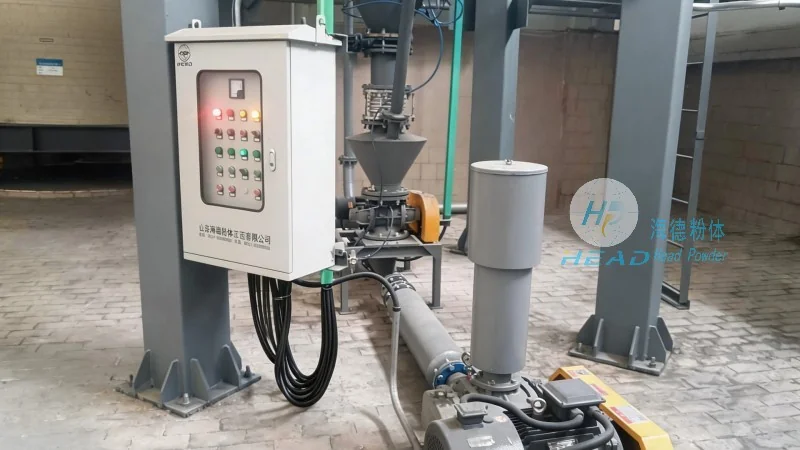
White sugar is a food-grade product, and therefore, the pneumatic conveying system must adhere to strict hygiene and safety standards. The entire system, from the hopper to the discharge point, should be constructed from materials that are easy to clean and sanitize, such as stainless steel or food-grade plastics. The design should also minimize dead zones where material can accumulate and become contaminated. Proper sealing of all connections and components is essential to prevent dust leakage and maintain a clean environment. Additionally, the system should include safety features such as pressure relief valves, emergency shut-off valves, and overpressure protection to ensure safe operation and prevent accidents. Regular maintenance and cleaning protocols are also critical to maintain the system's performance and meet regulatory requirements.
Optimizing System Performance and Efficiency
Once the system components are selected and installed, optimizing performance is key to maximizing efficiency and minimizing operational costs. This involves fine-tuning the air pressure and velocity to achieve the desired conveying rate without excessive energy consumption. The system should be designed to handle variations in material flow, such as changes in sugar batch size or moisture content, without significant performance degradation. Monitoring tools, such as pressure sensors and flow meters, can be integrated into the system to provide real-time data on performance, allowing for adjustments to be made promptly. Additionally, energy-efficient air compressors and variable speed drives can help reduce operational costs over time. By optimizing the system's performance, the overall cost of ownership can be significantly reduced, making the white sugar pneumatic conveying system a cost-effective solution for sugar handling operations.
Conclusion
Designing a reasonable white sugar pneumatic conveying system requires a comprehensive approach that considers material characteristics, system components, hygiene standards, and performance optimization. By carefully evaluating each aspect and selecting the appropriate components, a system can be designed to efficiently and safely transport white sugar while meeting the specific needs of the application. With proper design and maintenance, a white sugar pneumatic conveying system can provide reliable and long-lasting performance, contributing to the overall success of the sugar handling operation.

 Công ty TNHH Kỹ thuật Công trình Bột Hải Đức Sơn Đông
 156-6277-7102(Quản lý Trương)
  0531-83386006
  Quận Chương Khâu, Thành phố Tế Nam, Tỉnh Sơn Đông, Trung Quốc
Điện thoại
WeChatTư vấn
Lên đầu