Công ty Hải Đức Bột với hơn 10 năm kinh nghiệm vận chuyển khí, cung cấp hệ thống‑thiết bị‑quạt gió và nhận dự án tổng thầu bột cả nước
HeadPowder, a leading provider of ceramic processing solutions, specializes in the design and implementation of efficient conveying systems for various ceramic materials. With operations based in Shandong, China, the company has extensive experience in meeting the diverse needs of the ceramic industry. This article explores the different methods available for ceramic conveying, highlighting the advantages and applications of each approach.
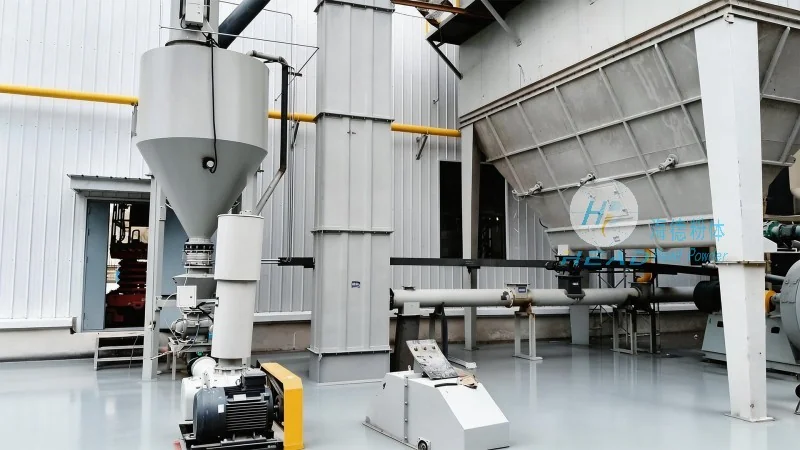
Pneumatic Conveying Systems
Pneumatic conveying is a widely used method for transporting ceramic powders and granules. This technique utilizes air pressure to move materials through a pipeline system. There are two main types: pressure and vacuum systems. Pressure systems use compressed air to push material from the source to the destination, while vacuum systems draw material using a vacuum pump. Pneumatic conveying is particularly effective for fine powders and can handle materials with a wide range of particle sizes. It offers advantages like low maintenance, the ability to transport materials over long distances, and the option to integrate with other processing equipment. However, it may not be suitable for very large or heavy ceramic pieces due to the limitations of air flow and pressure.
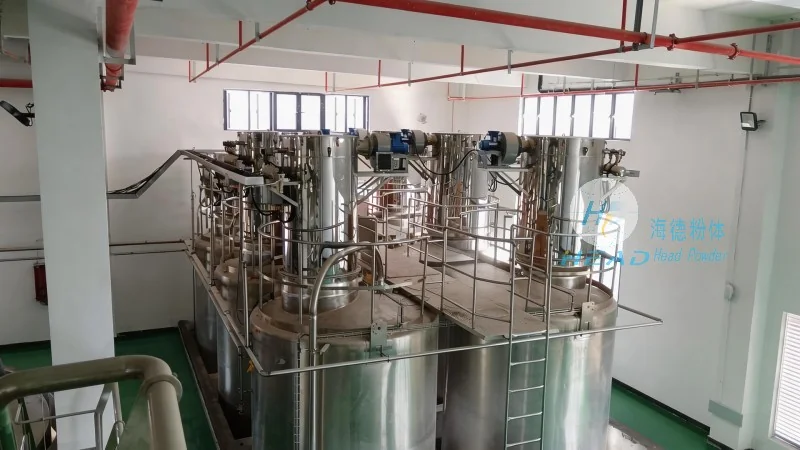
Mechanical Conveying Systems
Mechanical conveying systems rely on mechanical components to move ceramic materials. These systems include screw conveyors, belt conveyors, and chain conveyors. Screw conveyors use a rotating screw to push material forward, making them ideal for handling bulk ceramic materials in vertical or horizontal orientations. Belt conveyors are commonly used for transporting larger ceramic pieces or slabs, providing a continuous and stable movement. Chain conveyors are suitable for heavier loads and can handle materials with irregular shapes. Mechanical conveyors offer high load capacity and can handle a variety of ceramic forms, from powders to large components. They are generally more robust and less affected by material properties compared to pneumatic systems. However, they may require more maintenance and can be less flexible in terms of layout changes.
Hydraulic Conveying Systems
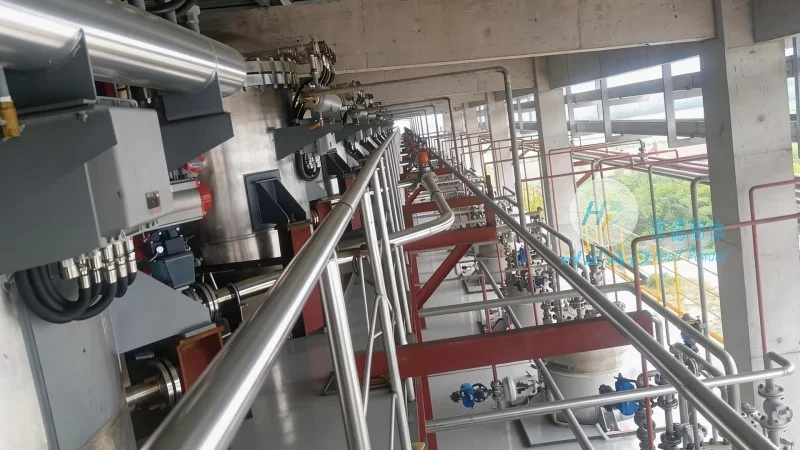
Hydraulic conveying systems use fluid pressure to transport ceramic materials. This method is often employed for heavy or abrasive ceramic pieces that require high force to move. The system typically consists of a pump, a hydraulic cylinder, and a pipeline. The fluid pressure creates a force that moves the material through the system. Hydraulic conveying is effective for materials that are difficult to handle with pneumatic or mechanical systems, such as large, dense ceramic blocks. It offers high power and can handle heavy loads with precision. However, hydraulic systems require regular maintenance of hydraulic components and may be more complex to install and operate compared to other methods.
Gravity Conveying Systems
Gravity conveying systems utilize the force of gravity to move ceramic materials from a higher to a lower level. This method is simple and cost-effective for transporting materials over short distances and with minimal changes in elevation. It often involves chutes or inclined planes that allow materials to slide down under their own weight. Gravity conveying is suitable for non-abrasive ceramic powders and granules that can flow freely. It requires less energy and maintenance compared to other systems, making it an economical choice for certain applications. However, it is limited by the need for a suitable slope and may not be suitable for materials that are cohesive or have a high angle of repose.
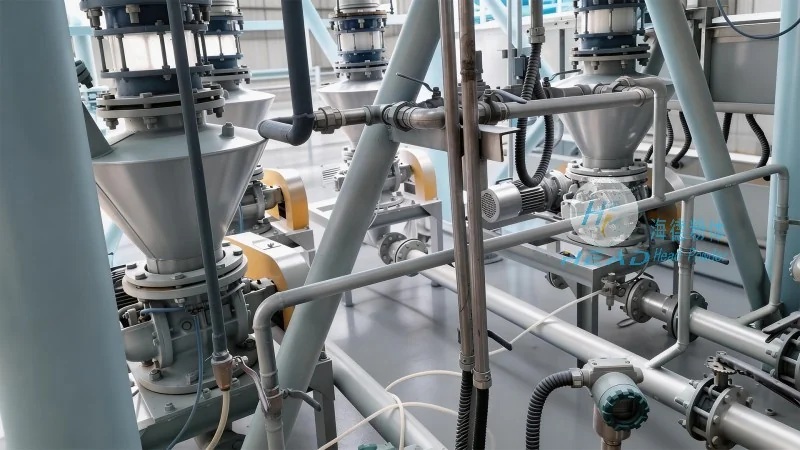
Combination Conveying Systems
In many industrial settings, a combination of conveying methods is used to achieve optimal performance. For example, a pneumatic system might be used to transport fine powders to a hopper, which is then fed into a mechanical conveyor for further processing. This integrated approach allows for efficient handling of different ceramic forms and can improve overall production flow. Combination systems are often customized to meet specific production requirements and can enhance the flexibility and efficiency of ceramic handling operations.
When selecting a ceramic conveying method, it is essential to consider the characteristics of the ceramic material, the production environment, and the overall goals of the operation. Each method has its strengths and limitations, and the best choice will depend on the specific needs of the application. By understanding the available options and their applications, manufacturers can make informed decisions to ensure efficient and reliable ceramic transportation.

 Công ty TNHH Kỹ thuật Công trình Bột Hải Đức Sơn Đông
 156-6277-7102(Quản lý Trương)
  0531-83386006
  Quận Chương Khâu, Thành phố Tế Nam, Tỉnh Sơn Đông, Trung Quốc
Điện thoại
WeChatTư vấn
Lên đầu