Công ty Hải Đức Bột với hơn 10 năm kinh nghiệm vận chuyển khí, cung cấp hệ thống‑thiết bị‑quạt gió và nhận dự án tổng thầu bột cả nước
When it comes to aluminum foil conveying, selecting the right method is crucial for ensuring efficiency, safety, and cost-effectiveness in industrial operations. Aluminum foil, with its lightweight yet durable properties, is widely used in various industries, including food packaging, pharmaceuticals, and electronics. The choice of conveying method depends on factors such as the foil's thickness, the production environment, and the required speed of transfer. This article explores the primary methods for aluminum foil conveying, highlighting their applications and benefits.
1. Mechanical Conveying Systems
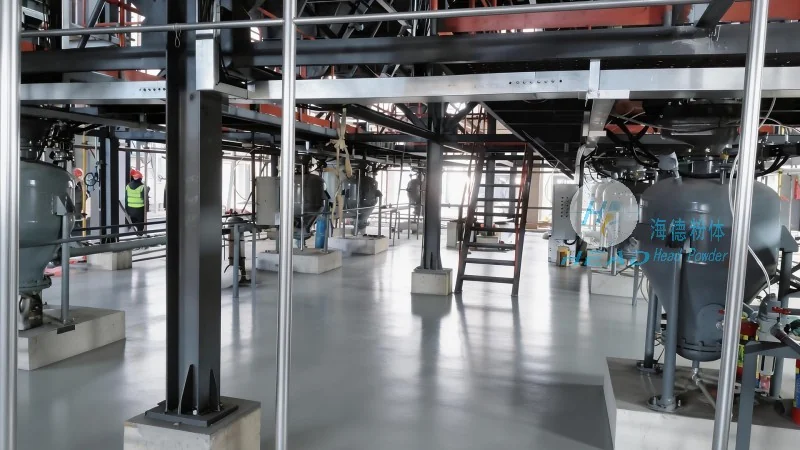
Mechanical conveying systems are among the most common methods for aluminum foil transfer. These systems utilize physical components like rollers, belts, and chains to move the foil through a production line. For instance, roller conveyors are often employed in environments where the foil needs to be transported over short distances or at moderate speeds. The design of these systems can be customized to accommodate different foil widths and thicknesses, making them versatile for various applications. One key advantage of mechanical conveyors is their reliability and low maintenance requirements, which contribute to consistent performance in industrial settings.
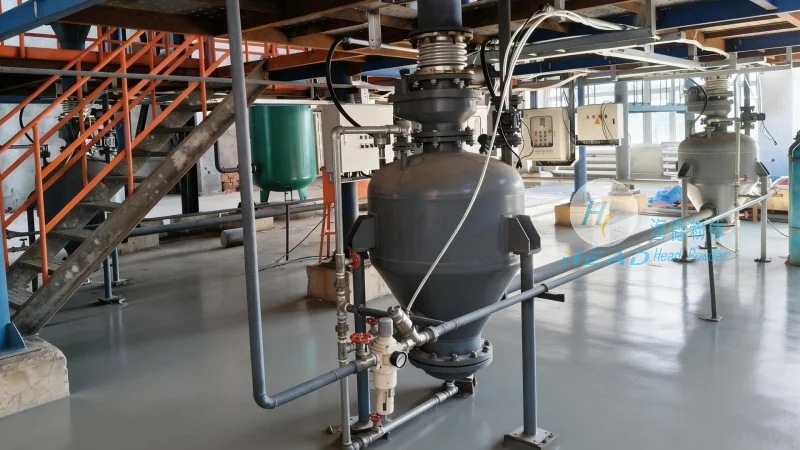
2. Pneumatic Conveying (Air-Lift Systems)
Pneumatic conveying, also known as air-lift systems, is another effective method for aluminum foil conveying. This technique uses compressed air to transport the foil through a pipeline. The process involves creating a pressure differential that propels the foil forward, allowing for high-speed and continuous transfer. Pneumatic systems are particularly suitable for handling lightweight materials like aluminum foil, as the air flow can easily lift and move the material without causing damage. However, they require careful design to ensure proper air pressure and flow rates, as well as adequate filtration to prevent dust accumulation. The flexibility of pneumatic conveying makes it ideal for applications where the foil needs to be transferred over longer distances or through complex pathways.
3. Magnetic Conveying for Thin Foils
For very thin aluminum foils, magnetic conveying systems offer a specialized solution. These systems utilize magnetic fields to attract and move the foil along a designated path. The magnetic force is applied through a series of magnets or a magnetic roller, which pulls the foil forward. This method is particularly effective for handling ultra-thin foils that are prone to tearing or damage from mechanical contact. Magnetic conveyors are often used in applications where the foil must be handled gently, such as in pharmaceutical packaging or high-value electronic components. The precision of magnetic conveying ensures that the foil remains intact during transfer, minimizing waste and improving overall product quality.
4. Automated Guided Vehicles (AGVs) and Robotic Systems
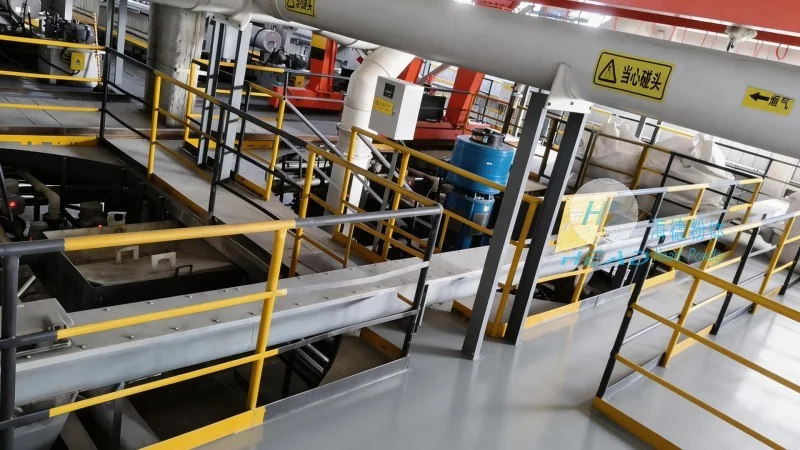
With advancements in automation, automated guided vehicles (AGVs) and robotic systems have become increasingly popular for aluminum foil conveying. AGVs are self-propelled vehicles equipped with sensors and navigation systems that allow them to move the foil between different stations in a production facility. Robotic arms, on the other hand, can pick up and place aluminum foil with high precision, enabling complex handling tasks. These automated systems enhance efficiency by reducing human intervention and increasing the speed of transfer. They are particularly beneficial in high-volume production environments where consistency and speed are critical. However, the implementation of AGVs and robotic systems requires significant investment and integration with existing production lines, making them suitable for larger-scale operations.
5. Combination Conveying Systems
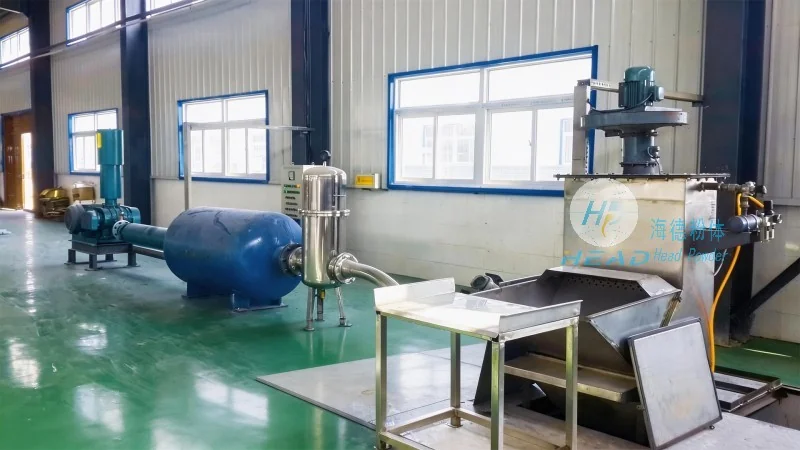
In many industrial settings, a combination of different conveying methods is used to achieve optimal performance. For example, a system might start with a mechanical conveyor to transport the foil from the production line to a pneumatic pipeline, where it is then moved to a storage area. This hybrid approach leverages the strengths of each method, such as the reliability of mechanical systems and the speed of pneumatic transfer. Combination systems are often used in complex production lines where the foil needs to be transferred over varying distances and through different environments. They require careful planning and integration to ensure smooth operation, but they can significantly improve overall productivity and reduce downtime.
Choosing the right aluminum foil conveying method involves a thorough evaluation of the specific requirements of the application. Factors such as the foil's properties, the production environment, and the desired speed of transfer must be considered to select the most suitable system. Companies like Shandong HeadPowder Engineering Co., Ltd., specialize in designing and implementing customized conveying solutions tailored to the needs of their clients. With years of experience in the industry, they provide expert guidance and innovative solutions to enhance the efficiency and reliability of aluminum foil handling processes.

 Công ty TNHH Kỹ thuật Công trình Bột Hải Đức Sơn Đông
 156-6277-7102(Quản lý Trương)
  0531-83386006
  Quận Chương Khâu, Thành phố Tế Nam, Tỉnh Sơn Đông, Trung Quốc
Điện thoại
WeChatTư vấn
Lên đầu