Công ty Hải Đức Bột với hơn 10 năm kinh nghiệm vận chuyển khí, cung cấp hệ thống‑thiết bị‑quạt gió và nhận dự án tổng thầu bột cả nước
Wool processing is a critical stage in the textile industry, where efficient material handling ensures optimal production efficiency and product quality. Among the various methods used for wool conveyance, several approaches have emerged as standard practices in the industry. This article provides a detailed comparison of common wool conveying methods, highlighting their respective advantages and disadvantages to help businesses make informed decisions about their material handling solutions.
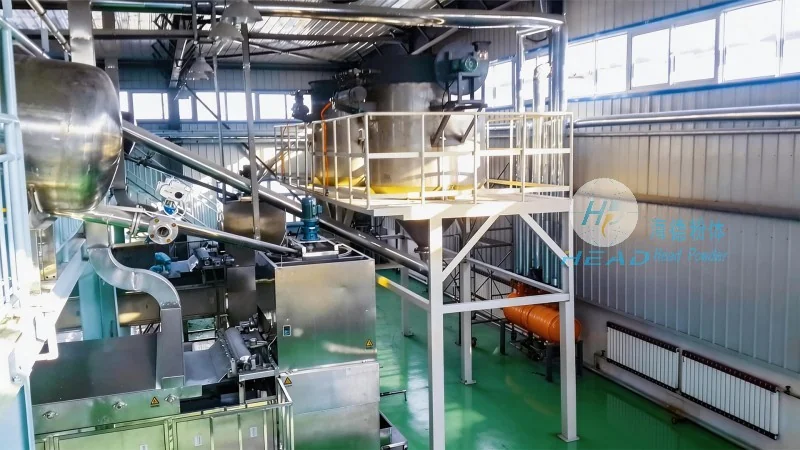
1. Belt Conveyors for Wool Transportation
Belt conveyors are one of the most widely used systems for transporting wool in textile mills. These systems utilize a continuous belt, typically made of rubber or synthetic materials, to move wool from one location to another. The primary advantage of belt conveyors is their ability to handle large volumes of material with minimal labor requirements. They are also relatively simple to install and maintain, making them a cost-effective solution for many businesses. However, belt conveyors have some limitations. For instance, they may not be suitable for conveying wool with high moisture content, as the belt can become slippery and reduce efficiency. Additionally, belt conveyors can be prone to damage from sharp objects or heavy loads, which may require frequent maintenance. Overall, belt conveyors are an excellent choice for businesses that require reliable, high-volume wool transportation with minimal operational complexity.
2. Screw Conveyors in Wool Handling
Screw conveyors, also known as auger conveyors, are another common method for transporting wool. These systems consist of a rotating screw inside a tube or housing, which moves the material forward through the system. Screw conveyors are particularly effective for handling bulk materials, including wool, and can operate in both horizontal and vertical orientations. One of the key advantages of screw conveyors is their ability to handle materials with varying moisture levels without the need for additional equipment. They are also relatively compact and can be integrated into existing production lines with minimal modifications. However, screw conveyors have some drawbacks. For example, they may not be suitable for conveying wool with high fiber content or large particles, as the screw can become clogged or damaged. Additionally, screw conveyors can generate significant heat due to friction, which may affect the quality of the wool. Despite these limitations, screw conveyors remain a popular choice for many wool processing facilities due to their versatility and reliability.
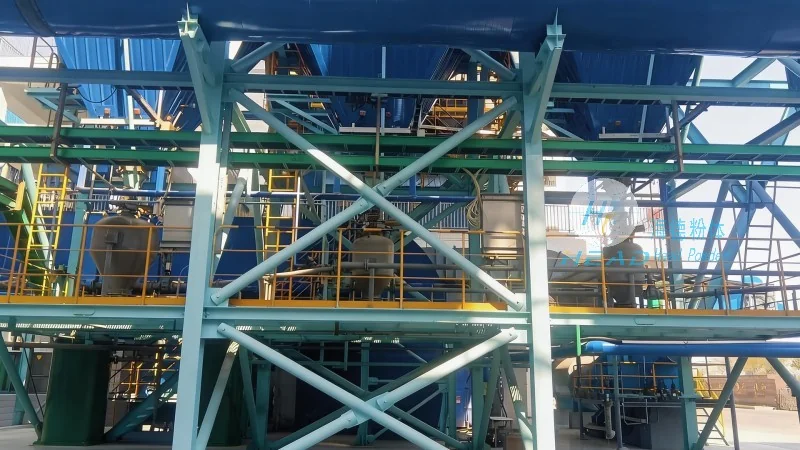
3. Pneumatic Conveying Systems for Wool
Pneumatic conveying systems use air pressure to transport wool through a network of pipes. These systems are particularly useful for handling fine or dusty wool, as they can move material without direct contact, reducing the risk of contamination or damage. One of the main advantages of pneumatic conveying is its ability to transport wool over long distances with minimal maintenance. They are also relatively quiet and can be integrated into existing facilities without major structural changes. However, pneumatic conveying systems have some significant drawbacks. For instance, they require a constant supply of compressed air, which can increase operational costs. Additionally, they may not be suitable for conveying large or heavy wool bales, as the system may not have enough power to move the material efficiently. Furthermore, pneumatic systems can be prone to blockages if the wool is not properly prepared, which may require additional cleaning and maintenance. Despite these challenges, pneumatic conveying remains a viable option for businesses that require clean, low-contact wool transportation.
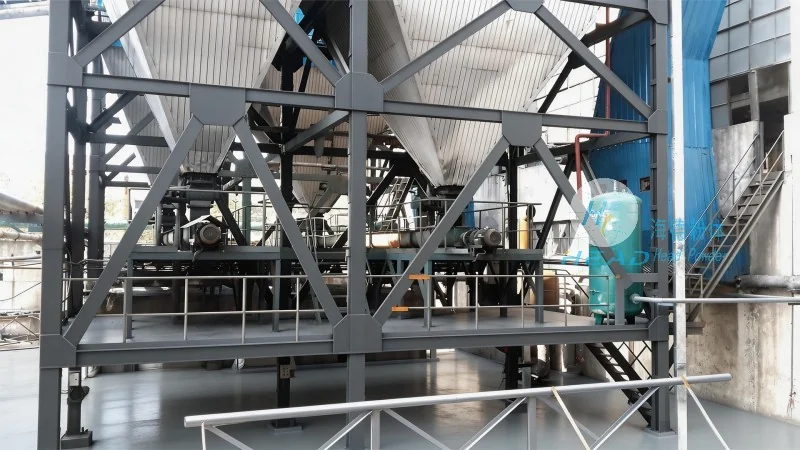
4. Hydraulic Conveyors for Heavy Wool Loads
Hydraulic conveyors use hydraulic power to move wool through a system of pipes or hoses. These systems are particularly effective for handling heavy or bulky wool loads, such as bales or large rolls. One of the primary advantages of hydraulic conveyors is their ability to handle high loads with minimal effort. They are also relatively quiet and can operate in harsh environments without damage. However, hydraulic conveyors have some limitations. For example, they require a reliable hydraulic system, which can be expensive to install and maintain. Additionally, hydraulic systems can be prone to leaks or failures, which may disrupt production. Furthermore, hydraulic conveyors may not be suitable for conveying fine or delicate wool, as the system can cause damage to the fibers. Despite these drawbacks, hydraulic conveyors are an excellent choice for businesses that need to transport heavy wool loads with precision and efficiency.
5. Comparison and Selection Criteria
When selecting a wool conveying method, businesses must consider several factors to ensure the best fit for their operations. The first consideration is the volume of wool to be transported, as different systems are better suited for high or low volumes. For example, belt conveyors are ideal for high-volume applications, while pneumatic systems may be more suitable for low-volume or fine wool. The second factor is the distance over which the wool needs to be transported, as some systems are better for long distances than others. The third factor is the moisture content of the wool, as some systems may not handle wet wool effectively. Finally, the cost of installation and maintenance must be considered, as different systems have varying long-term costs. By carefully evaluating these factors, businesses can choose the most appropriate wool conveying method to optimize their production efficiency and product quality.
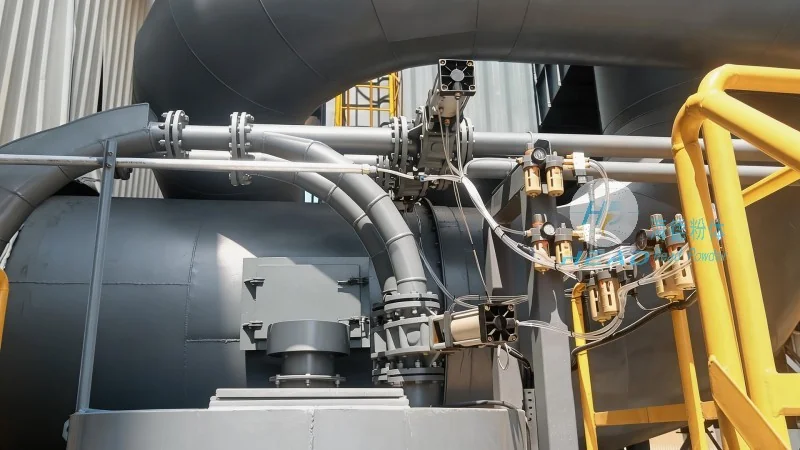
Conclusion: Choosing the Right Wool Conveying System
Wool conveying is a critical step in the textile industry, and the choice of conveying method can significantly impact production efficiency and product quality. The methods discussed in this article—belt conveyors, screw conveyors, pneumatic systems, and hydraulic conveyors—each have their own advantages and disadvantages. By understanding these factors and considering the specific needs of their operations, businesses can select the most suitable wool conveying system. For businesses in the wool processing industry, Shandong HeadPowder Engineering Co., Ltd. offers a range of high-quality conveying solutions designed to meet the unique needs of each client. With years of experience in the industry, HeadPowder provides reliable, efficient, and cost-effective solutions that help businesses optimize their production processes and improve overall performance.

 Công ty TNHH Kỹ thuật Công trình Bột Hải Đức Sơn Đông
 156-6277-7102(Quản lý Trương)
  0531-83386006
  Quận Chương Khâu, Thành phố Tế Nam, Tỉnh Sơn Đông, Trung Quốc
Điện thoại
WeChatTư vấn
Lên đầu