Công ty Hải Đức Bột với hơn 10 năm kinh nghiệm vận chuyển khí, cung cấp hệ thống‑thiết bị‑quạt gió và nhận dự án tổng thầu bột cả nước
Wheat bran, a byproduct of wheat milling, is widely used in the food industry as a dietary fiber source and in animal feed. Efficient and reliable conveying systems are crucial for processing and transporting this material. This article provides a detailed comparison of common wheat bran conveying methods, highlighting their advantages and disadvantages to help industrial operators choose the most suitable solution for their needs.
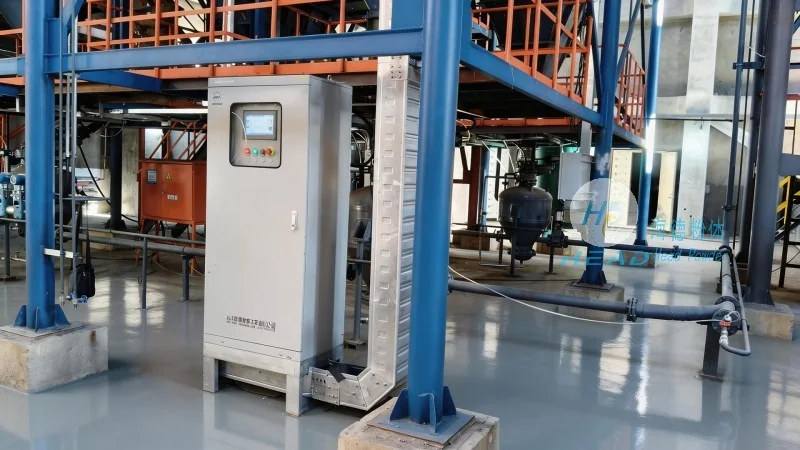
Overview of Wheat Bran Conveying Methods
Wheat bran conveying involves moving bran from storage silos or processing equipment to downstream applications such as packaging or blending. The choice of conveying method depends on factors like material properties, plant layout, budget, and operational requirements. Common methods include screw conveyors, pneumatic (air) conveying systems, belt conveyors, and bucket elevators.
Screw Conveyors: A Traditional and Versatile Option
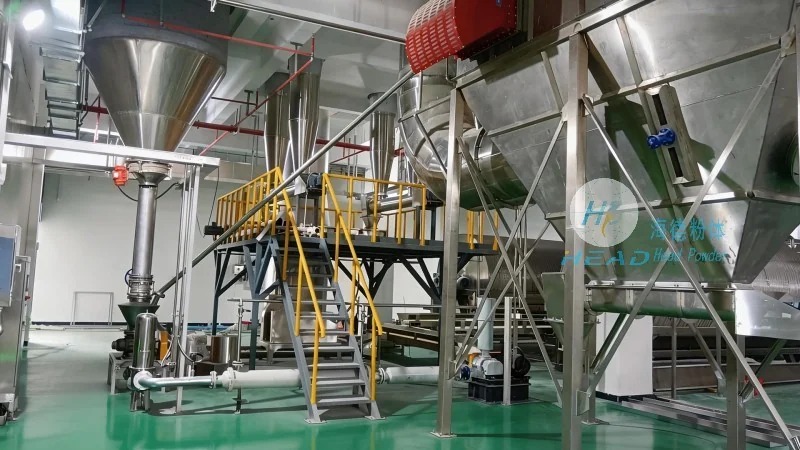
Screw conveyors, also known as auger conveyors, are widely used for wheat bran transport due to their simplicity and adaptability. These systems consist of a rotating helical screw inside a trough, which moves material forward through the conveyor. The primary advantages of screw conveyors include low maintenance costs, ability to operate in horizontal or slight incline positions, and suitability for handling dry, free-flowing materials like wheat bran. They are particularly effective for short to medium distance transport and can be easily integrated into existing processing lines.
However, screw conveyors have notable drawbacks. They are less efficient for vertical lifting, as the material must be lifted against gravity, which increases energy consumption and wear on the screw and trough. Additionally, bran with high moisture content or sticky properties may cause blockages or reduced throughput. The enclosed design can also lead to overheating of the material, potentially affecting its quality if not properly ventilated.
Pneumatic Conveying Systems: High-Speed and Flexible Transport
Pneumatic conveying uses air pressure to transport wheat bran in a pipeline system. This method is ideal for long-distance or high-volume transport, as it can move material vertically and horizontally with minimal loss. The system typically includes a hopper, a blower, and a pipeline network, with the bran being carried by air currents. One of the key advantages of pneumatic conveying is its ability to handle bran with varying moisture levels and particle sizes without the need for mechanical contact, reducing the risk of material degradation or contamination.
Despite these benefits, pneumatic systems have significant disadvantages. They require higher energy input compared to mechanical conveyors, as the blower must generate sufficient air pressure to move the material. This can increase operational costs, especially for large-scale operations. Additionally, the system is sensitive to blockages in the pipeline, which can cause system shutdowns and require manual intervention. The initial investment for pneumatic equipment is also higher than for screw or belt conveyors, making it less suitable for small-scale applications.
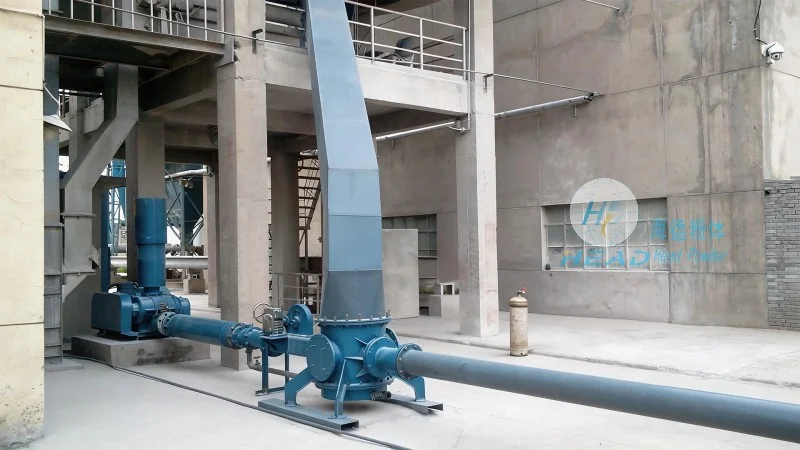
Belt Conveyors: Robust and Cost-Effective for Bulk Transport
Belt conveyors are another common option for wheat bran conveying, particularly in large-scale industrial settings. These systems use a continuous belt to transport material over rollers or idlers, allowing for horizontal and slight incline movement. The primary advantage of belt conveyors is their high capacity and ability to handle large volumes of bran efficiently. They are also relatively low maintenance, with simple components like belts, pulleys, and frames that are easy to replace or repair.
However, belt conveyors have limitations when dealing with bran that is not uniformly sized or has high moisture content. The material may slip on the belt or cause uneven loading, leading to reduced efficiency or equipment wear. Vertical lifting with belt conveyors is also challenging, as the belt must be supported by multiple rollers, increasing the system's complexity and cost. Additionally, the open design of belt conveyors can expose the bran to dust and contaminants, which may affect product quality if not properly sealed.

 Công ty TNHH Kỹ thuật Công trình Bột Hải Đức Sơn Đông
 156-6277-7102(Quản lý Trương)
  0531-83386006
  Quận Chương Khâu, Thành phố Tế Nam, Tỉnh Sơn Đông, Trung Quốc
Điện thoại
WeChatTư vấn
Lên đầu