Công ty Hải Đức Bột với hơn 10 năm kinh nghiệm vận chuyển khí, cung cấp hệ thống‑thiết bị‑quạt gió và nhận dự án tổng thầu bột cả nước
Seasoning conveyance is a critical process in the food processing industry, ensuring that ingredients are efficiently and safely transported from storage to production lines. The choice of conveying method significantly impacts operational efficiency, product quality, and overall production costs. This article provides a detailed comparison of common seasoning conveying methods, highlighting their advantages and disadvantages, to help food manufacturers make informed decisions.
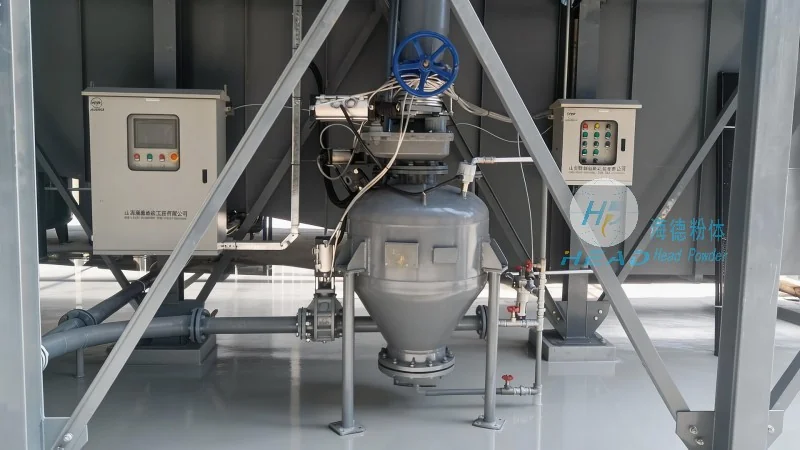
1. Pneumatic Conveying Systems
Pneumatic conveying systems use air or other gases to transport powders and granules, including various seasonings. These systems are widely used due to their ability to handle fine powders and provide a closed environment that prevents contamination. One of the primary advantages of pneumatic conveying is its flexibility in handling different particle sizes and moisture levels. The system can be designed for both low and high-pressure applications, allowing for efficient transport over long distances. However, pneumatic systems require significant energy input to generate the necessary air pressure, which can increase operational costs. Additionally, they may not be suitable for very fine or highly cohesive powders, as these can cause blockages or degrade the system's performance. The maintenance of pneumatic components, such as filters and blowers, is also crucial to ensure consistent operation.
2. Screw Conveyors
Screw conveyors, also known as auger conveyors, are mechanical devices that use a rotating screw to move materials through a tube or trough. This method is particularly effective for conveying dry seasonings, as it provides a continuous and controlled flow. Screw conveyors are relatively simple in design, making them easy to install and maintain. They are also capable of handling a wide range of particle sizes and can be used for both horizontal and inclined transport. A key advantage is their ability to operate in a closed system, which helps maintain product hygiene and prevent dust contamination. However, screw conveyors may not be ideal for very fine powders, as the screw can cause excessive friction and heat, potentially affecting the quality of heat-sensitive seasonings. Additionally, the system's capacity is limited by the screw speed and the diameter of the conveyor, which may require multiple units for large-scale operations.
3. Belt Conveyors
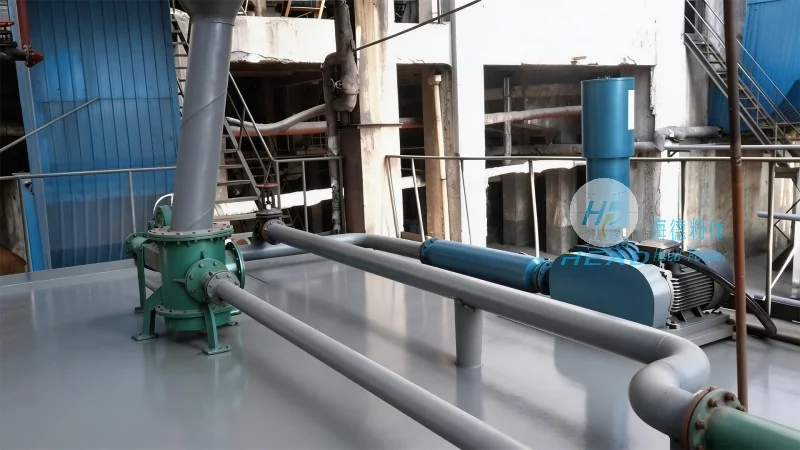
Belt conveyors use a continuous belt to transport seasonings, often in bulk or semi-bulk form. This method is commonly used for larger, less fine ingredients but can also be adapted for smaller powders with appropriate belt materials. The primary advantage of belt conveyors is their high capacity and ability to transport materials over long distances with minimal energy consumption. They are also relatively low-maintenance compared to other systems, as the main components are the belt and the drive system. Belt conveyors are suitable for both dry and slightly moist seasonings, as long as the belt material is chosen appropriately to prevent slippage or material buildup. However, they may not be effective for very fine powders, as the belt can cause material segregation or loss due to the open nature of the system. Additionally, the system requires regular cleaning to prevent product residue buildup, which can affect hygiene and operational efficiency.
4. Gravity Conveying
Gravity conveying relies on the natural force of gravity to move seasonings from a higher to a lower level. This method is simple and cost-effective, as it does not require any mechanical components or energy input. It is particularly suitable for conveying dry, free-flowing seasonings that can move smoothly down a sloped chute. The main advantage of gravity conveying is its low operational cost and minimal maintenance requirements. It is also a hygienic option, as it involves no moving parts that could come into contact with the product. However, gravity conveying is limited by the need for a suitable slope and the availability of sufficient vertical drop. It is not suitable for fine powders or materials with poor flow characteristics, as they may not move efficiently under gravity alone. Additionally, the system's capacity is restricted by the slope angle and the material's flow properties, making it less suitable for high-volume operations.
5. Hydraulic Conveying
Hydraulic conveying systems use water or other liquids to transport seasonings, typically in a slurry form. This method is effective for handling wet or sticky seasonings that are difficult to convey by other means. The primary advantage of hydraulic conveying is its ability to handle highly abrasive or corrosive materials without causing wear or damage to the system. It also provides a continuous and controlled flow, ensuring consistent product quality. However, hydraulic systems require a significant amount of water and energy to operate, which can increase operational costs. The system also needs regular cleaning to prevent slurry buildup and maintain efficiency. Additionally, the disposal of the slurry after processing can be a challenge, as it may contain waste products that need to be treated before disposal.
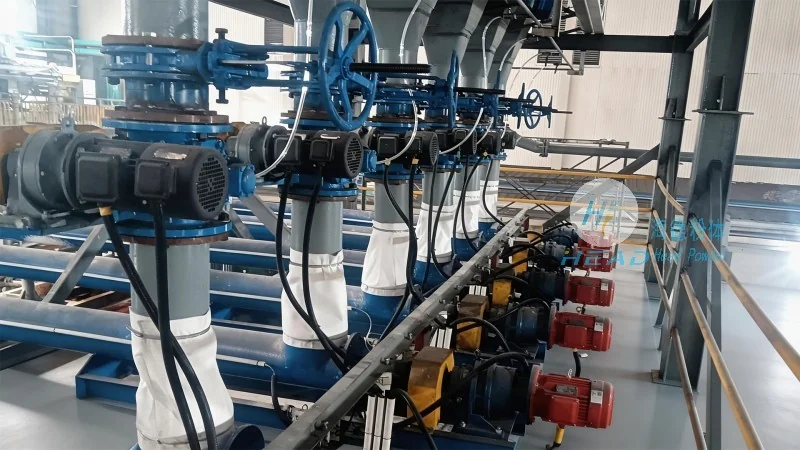
6. Comparison and Recommendations
When selecting a seasoning conveying method, manufacturers must consider several factors, including the type of seasoning, production volume, distance to be covered, and budget constraints. Pneumatic systems are ideal for fine powders and require a closed environment, while screw conveyors are suitable for dry seasonings and offer simple operation. Belt conveyors are best for bulk materials and high-capacity transport, and gravity conveying is cost-effective for free-flowing materials over short distances. Hydraulic systems are recommended for wet or sticky seasonings but come with higher operational costs. For optimal performance, it is often beneficial to combine different conveying methods in a production line, such as using a screw conveyor to transport dry seasonings and then a pneumatic system for final distribution.
Conclusion
Choosing the right seasoning conveying method is crucial for maintaining product quality, ensuring operational efficiency, and controlling costs in the food processing industry. Each method has its unique advantages and limitations, and the best choice depends on the specific requirements of the production process. By carefully evaluating the characteristics of the seasonings and the operational needs of the facility, manufacturers can select the most suitable conveying system to enhance their production capabilities. Shandong HeadPowder Engineering Co., Ltd., a leading provider of seasoning processing solutions, offers a range of conveying systems tailored to meet the diverse needs of food manufacturers. With years of experience in the industry, HeadPowder provides customized solutions that optimize conveying efficiency, ensure product safety, and reduce operational costs. Whether you need a pneumatic system for fine powders or a belt conveyor for bulk materials, HeadPowder's expertise ensures that your seasoning conveying process is both effective and reliable.

 Công ty TNHH Kỹ thuật Công trình Bột Hải Đức Sơn Đông
 156-6277-7102(Quản lý Trương)
  0531-83386006
  Quận Chương Khâu, Thành phố Tế Nam, Tỉnh Sơn Đông, Trung Quốc
Điện thoại
WeChatTư vấn
Lên đầu