Công ty Hải Đức Bột với hơn 10 năm kinh nghiệm vận chuyển khí, cung cấp hệ thống‑thiết bị‑quạt gió và nhận dự án tổng thầu bột cả nước
Wood chip conveying is a critical process in the forestry and pulp and paper industries, where efficient transportation of wood chips from collection sites to processing facilities is essential for maintaining production efficiency and minimizing operational costs. The choice of conveying method significantly impacts the overall performance, reliability, and cost-effectiveness of wood chip handling operations. This article provides a detailed comparison of common wood chip conveying methods, highlighting their advantages and disadvantages to help industry professionals make informed decisions when selecting the most suitable system for their specific needs.
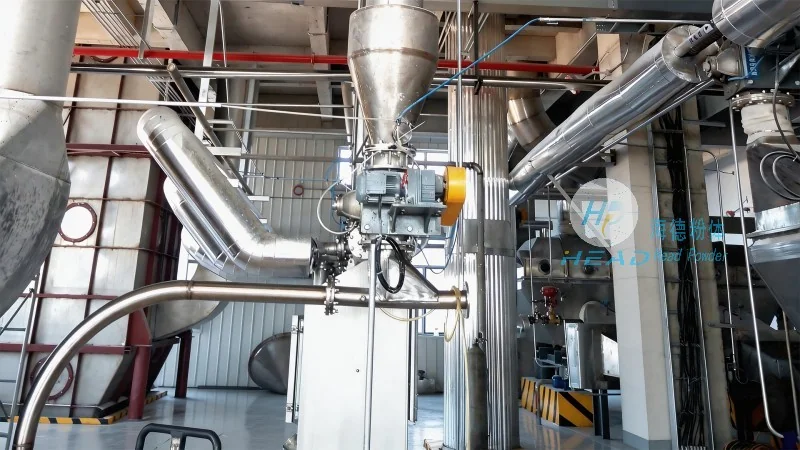
1. Screw Conveyors (Auger Conveyors)
Screw conveyors, also known as auger conveyors, are one of the most widely used wood chip conveying systems. These devices consist of a rotating helical screw inside a trough, which moves wood chips forward through the conveyor. The primary advantage of screw conveyors is their simplicity and low maintenance requirements. They are particularly effective for handling dry wood chips and can be easily integrated into existing processing lines. However, screw conveyors have limitations, such as their inability to handle wet or sticky wood chips, which can cause blockages and reduce efficiency. Additionally, the design of screw conveyors limits the maximum particle size that can be transported, making them less suitable for large wood chips or mixed debris. The operational speed of screw conveyors is also relatively low compared to other methods, which may affect throughput in high-demand applications.
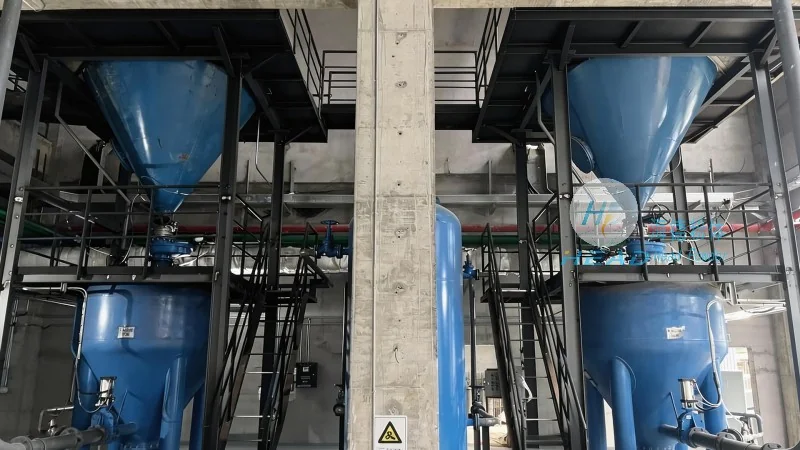
2. Belt Conveyors
Belt conveyors are another common option for wood chip transportation, utilizing a continuous belt to move chips along a path. These systems are highly versatile and can handle a wide range of wood chip sizes and moisture levels. One of the key advantages of belt conveyors is their ability to transport wood chips over long distances with minimal energy consumption. They are also suitable for both horizontal and inclined applications, making them adaptable to various site layouts. However, belt conveyors require regular maintenance to ensure the belt remains in good condition, as wear and tear can lead to downtime. The initial cost of belt conveyors is generally higher than that of screw conveyors, and they may not be as efficient for very small or fine wood chips. Furthermore, the risk of belt slippage or breakage increases with the weight and size of the wood chips being transported, necessitating robust support structures.
3. Pneumatic Conveying Systems
Pneumatic conveying systems use air pressure to transport wood chips through a pipeline. This method is particularly effective for handling fine or dry wood chips and can achieve high transport speeds, resulting in increased throughput. One of the major advantages of pneumatic conveying is its ability to transport wood chips vertically and horizontally over long distances without the need for multiple transfer points. This reduces the overall footprint of the system and minimizes the risk of material spillage. However, pneumatic conveying systems require significant energy input to generate the necessary air pressure, which can increase operational costs. The design of the system must be carefully optimized to prevent particle segregation or blockages, as these issues can lead to system failures. Additionally, the cost of the pipeline and associated components is relatively high, and maintenance of the air compression equipment is essential for long-term reliability.
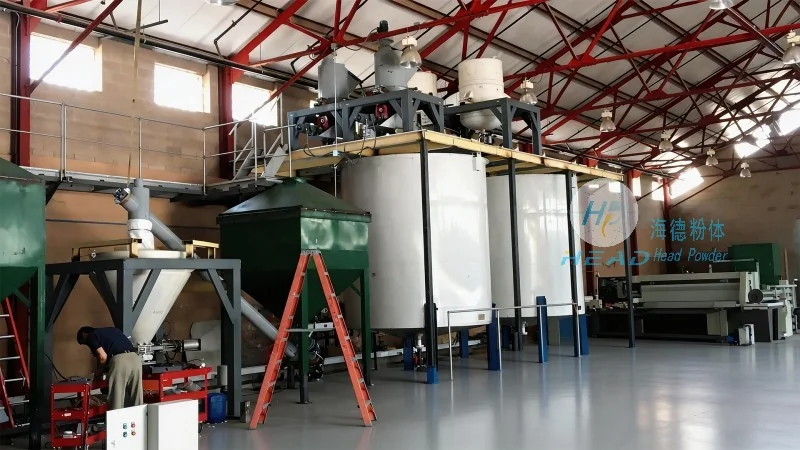
4. Hydraulic Conveyors
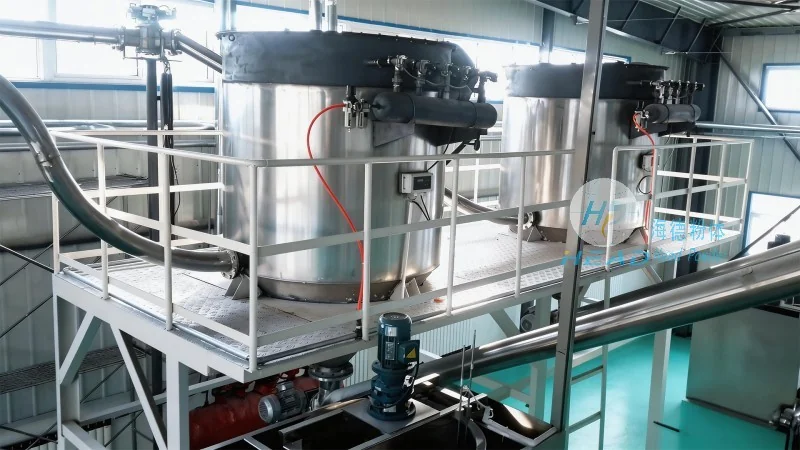
Hydraulic conveyors use water or a water-based slurry to transport wood chips, typically in a closed pipeline system. This method is particularly effective for handling wet or contaminated wood chips, as the slurry helps to keep the chips suspended and prevents blockages. One of the key advantages of hydraulic conveyors is their ability to handle a wide range of particle sizes and moisture levels, including very fine or sticky wood chips. They are also relatively low maintenance compared to other systems, as the components are less prone to wear and tear. However, hydraulic conveyors have significant limitations, such as the high cost of water treatment and disposal, which can increase operational expenses. The system requires a constant supply of water, and the risk of corrosion or clogging in the pipeline is a concern. Additionally, the throughput of hydraulic conveyors is generally lower than that of pneumatic or belt systems, making them less suitable for high-volume applications.
HeadPowder Engineering: Your Partner in Wood Chip Conveying Solutions
At Shandong HeadPowder Engineering Co., Ltd., we understand the critical role that efficient wood chip conveying plays in the success of your operations. With years of experience in the industry, our team of experts has developed a range of advanced conveying systems tailored to meet the unique needs of our clients. Whether you require a screw conveyor for dry wood chips or a pneumatic system for fine particles, we offer customized solutions that optimize performance, reduce costs, and enhance reliability. Our commitment to quality and innovation ensures that our systems are built to withstand the rigors of continuous operation, providing you with a long-term investment in your business. Contact us today to learn more about how our wood chip conveying solutions can help you achieve your operational goals.

 Công ty TNHH Kỹ thuật Công trình Bột Hải Đức Sơn Đông
 156-6277-7102(Quản lý Trương)
  0531-83386006
  Quận Chương Khâu, Thành phố Tế Nam, Tỉnh Sơn Đông, Trung Quốc
Điện thoại
WeChatTư vấn
Lên đầu