Công ty Hải Đức Bột với hơn 10 năm kinh nghiệm vận chuyển khí, cung cấp hệ thống‑thiết bị‑quạt gió và nhận dự án tổng thầu bột cả nước
Bentonite, a natural clay with high swelling properties, is widely used in various industries such as construction, oil drilling, and environmental remediation. The efficient transportation of bentonite is crucial for meeting the demands of these sectors. In this article, we explore the primary methods used for bentonite transportation, highlighting the key considerations and practical applications.
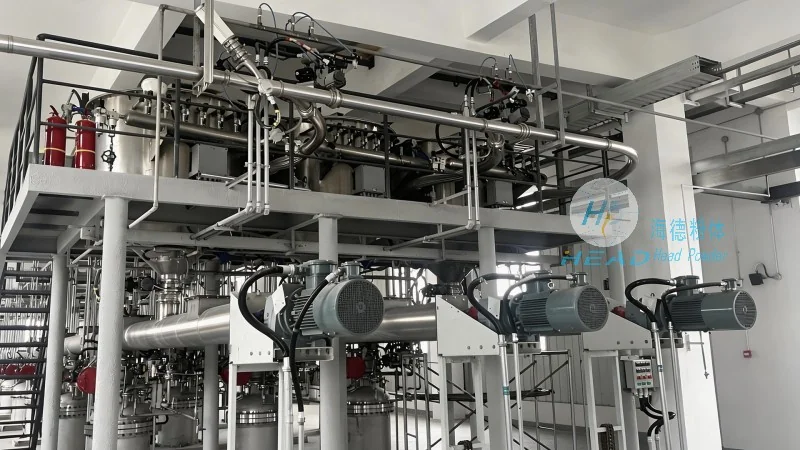
1. Pipeline Transportation: A High-Capacity Solution
One of the most common and efficient methods for bentonite transportation is through pipelines. This method is particularly suitable for large-scale operations where a continuous flow of bentonite is required. The process involves pumping the bentonite slurry through a network of pipelines, which can be laid underground or above ground. Pipeline transportation minimizes the risk of material loss and contamination, as the material remains enclosed within the pipeline system. It also reduces labor costs and operational time compared to other methods. For instance, companies like Shandong HeadPowder Engineering Co., Ltd. may utilize pipeline systems to supply bentonite to construction sites or industrial facilities in China, leveraging the infrastructure to ensure timely delivery.
2. Truck Transportation: Flexibility and Accessibility
Truck transportation remains a flexible and widely adopted method for bentonite delivery, especially for smaller quantities or when direct access to the site is needed. Bentonite is often transported in bulk trucks, such as tanker trucks or specialized trailers, which are designed to handle the material's characteristics. This method allows for door-to-door delivery, making it ideal for projects with limited access or in remote areas. The trucks are equipped with appropriate seals and containment systems to prevent spills and ensure compliance with environmental regulations. Shandong HeadPowder Engineering Co., Ltd., based in Shandong, China, may use truck transportation to supply bentonite to construction projects across the region, providing a reliable and adaptable solution for various client needs.
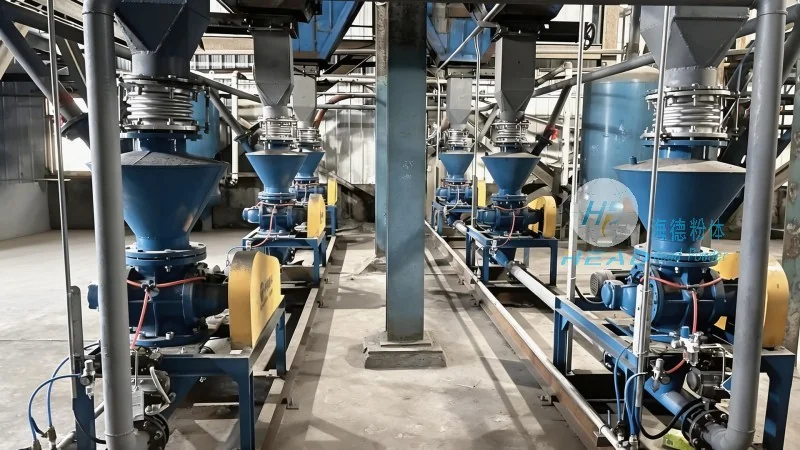
3. Railway Transportation: Bulk and Long-Distance Efficiency
For bulk shipments over long distances, railway transportation offers a cost-effective and environmentally friendly option. Bentonite can be loaded into specialized railcars, which are designed to transport bulk materials safely. This method is particularly advantageous for large-scale projects where the material needs to be transported from a production facility to distant sites. Railway transportation reduces the carbon footprint compared to road transport and can handle larger volumes with fewer trips. Companies like Shandong HeadPowder Engineering Co., Ltd. may utilize railway services to distribute bentonite to industrial clients across China, ensuring consistent supply and reducing transportation costs.
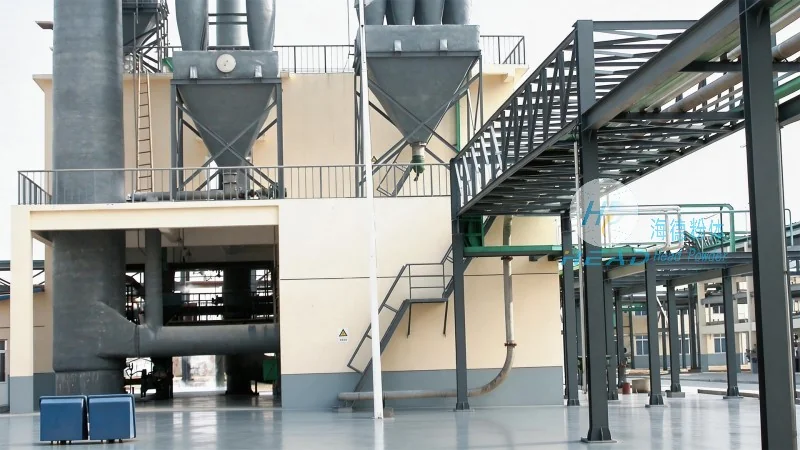
4. Combination of Methods: Optimizing Logistics
In many cases, a combination of transportation methods is used to optimize logistics and meet specific project requirements. For example, a company might use pipeline transportation for the initial delivery of a large quantity of bentonite to a central storage facility, followed by truck transportation to distribute smaller batches to various construction sites. This integrated approach ensures that the material is delivered efficiently while minimizing delays and costs. Shandong HeadPowder Engineering Co., Ltd., with its headquarters in Shandong, China, may employ such a strategy to serve clients in different regions, leveraging the strengths of each transportation method to provide a comprehensive solution.

 Công ty TNHH Kỹ thuật Công trình Bột Hải Đức Sơn Đông
 156-6277-7102(Quản lý Trương)
  0531-83386006
  Quận Chương Khâu, Thành phố Tế Nam, Tỉnh Sơn Đông, Trung Quốc
Điện thoại
WeChatTư vấn
Lên đầu