Công ty Hải Đức Bột với hơn 10 năm kinh nghiệm vận chuyển khí, cung cấp hệ thống‑thiết bị‑quạt gió và nhận dự án tổng thầu bột cả nước
When it comes to efficiently transporting rice and flour in industrial settings, selecting the right conveying method is crucial for maintaining product quality, ensuring operational efficiency, and minimizing downtime. Various technologies are available, each with its own advantages and applications. This article explores the primary methods used for rice and flour conveying, highlighting the key considerations for each approach.
1. Belt Conveyors for Bulk Material Handling
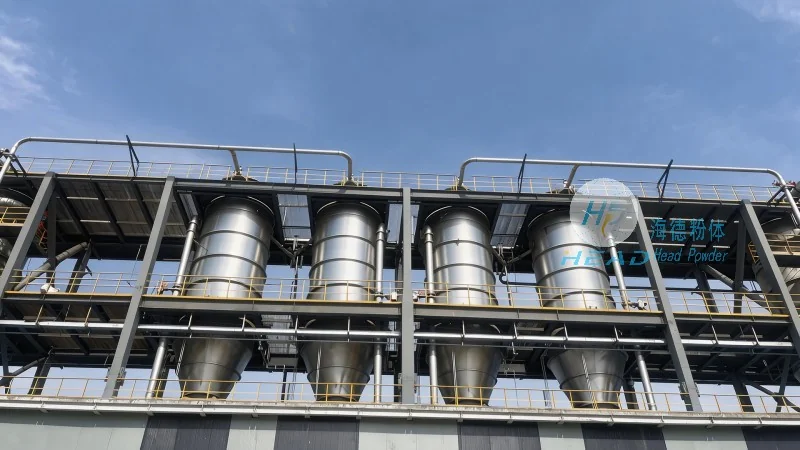
Belt conveyors are among the most common solutions for rice and flour transport due to their versatility and ability to handle large volumes of material. These systems typically consist of a continuous belt that moves over rollers or pulleys, transporting the product from one location to another. The design can be customized to accommodate different product types, including raw rice, milled flour, and other dry grains. Belt conveyors are particularly effective in environments where a gentle handling of the product is required, as they minimize the risk of breakage or contamination. Additionally, they can be integrated with other processing equipment, such as storage silos or packaging lines, to create a seamless production flow. The durability of the belt and the robust construction of the conveyor system ensure long-term reliability, making them a preferred choice for many food processing facilities.
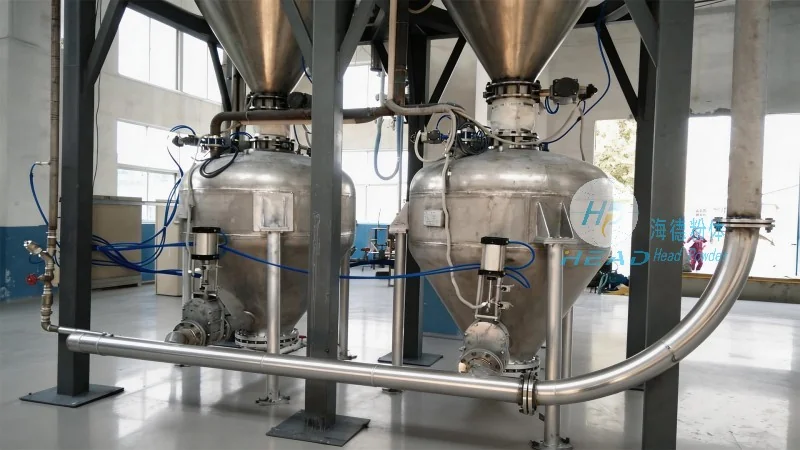
2. Screw Conveyors for Horizontal and Vertical Transport
Screw conveyors, also known as auger conveyors, are another popular option for rice and flour conveying. These systems use a rotating screw or auger to move material along a trough. They are ideal for both horizontal and vertical transport, allowing for the elevation of products to higher levels or the transfer of material over short distances. Screw conveyors are particularly effective for handling fine powders and granules, as the screw design prevents material from sticking to the sides of the trough. This reduces the risk of clogging and ensures consistent flow rates. The compact design of screw conveyors makes them suitable for installations with limited space, and they can be easily integrated into existing production lines. However, it is important to note that screw conveyors may not be suitable for very abrasive materials, as the screw and trough can wear down over time. Proper maintenance and material selection are essential to maximize the lifespan of the equipment.
3. Pneumatic Conveying Systems for Dust-Free Transport
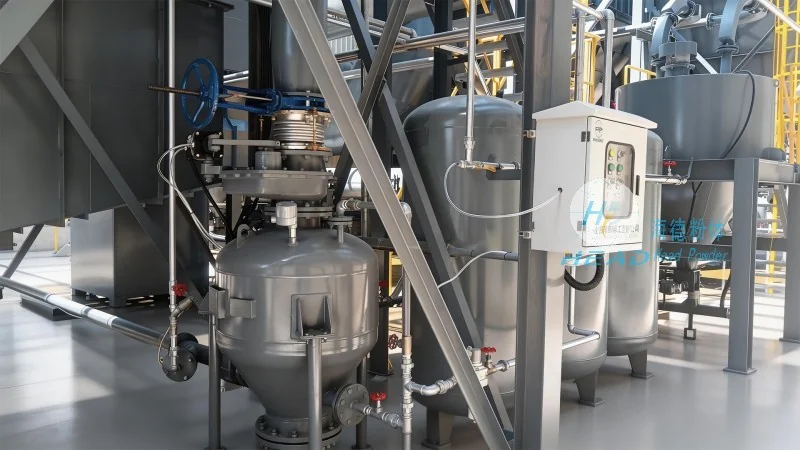
Pneumatic conveying systems use air pressure to transport rice and flour in a closed pipeline. This method is particularly beneficial for applications where dust control is a priority, as the system operates in a sealed environment, preventing the release of fine particles into the air. Pneumatic conveyors can be either positive or negative pressure systems, depending on the specific requirements of the operation. Positive pressure systems push the material through the pipeline using compressed air, while negative pressure systems create a vacuum to draw the material in. Both types offer advantages in terms of flexibility and ease of integration with other processing equipment. Pneumatic conveying is often used in situations where the product needs to be transported over long distances or through multiple processing stages. The key advantage of this method is its ability to maintain product integrity, as the material is not exposed to external contaminants or mechanical stress. However, the system requires careful design to ensure proper air flow and prevent pressure drops, which could lead to material buildup or clogging.
4. Bucket Elevators for Vertical Material Transport
Bucket elevators are specialized equipment designed for vertical transport of rice and flour. These systems consist of a continuous belt or chain with attached buckets that move vertically, lifting the material from a lower to a higher level. Bucket elevators are highly efficient for transporting large volumes of material over significant vertical distances, making them ideal for applications such as loading storage silos or moving products from ground-level processing areas to upper floors. The design of the buckets and the speed of the conveyor belt can be adjusted to accommodate different product characteristics, ensuring optimal handling. Bucket elevators are known for their high capacity and reliability, as they can operate continuously without frequent maintenance. However, they require regular inspection of the buckets and the drive system to prevent wear and tear. Proper alignment and tensioning of the belt or chain are critical to maintain the performance and safety of the equipment.
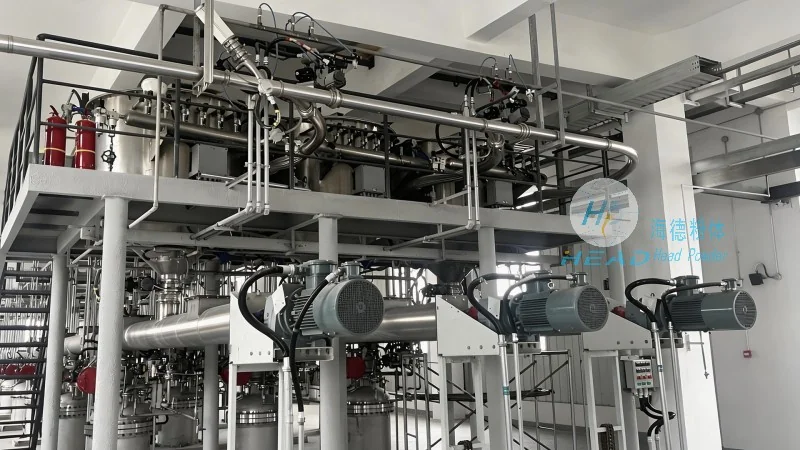
5. Vibrating Conveyors for Gentle Material Handling
Vibrating conveyors use vibrations to move rice and flour along a trough. These systems are particularly suitable for handling delicate products that are prone to breakage, such as whole grains or milled flour. The gentle motion of the conveyor minimizes the impact on the product, reducing the risk of damage during transport. Vibrating conveyors are also effective for materials that tend to stick to the sides of traditional conveyors, as the vibration helps to keep the material in motion. The design of the conveyor can be customized to match the specific requirements of the application, including the length, width, and angle of the trough. Vibrating conveyors are often used in situations where the product needs to be transported over long distances or through multiple processing stages, and they can be integrated with other equipment such as screening or sorting machines. The key advantage of this method is its ability to handle a wide range of materials, including sticky or cohesive products, without the need for additional lubrication or cleaning. However, the system requires regular maintenance of the vibration motor and the trough to ensure consistent performance.
About Shandong HeadPowder Engineering Co., Ltd.
Shandong HeadPowder Engineering Co., Ltd. is a leading provider of conveying solutions for the food processing industry. With years of experience in designing and manufacturing equipment for rice and flour handling, the company specializes in creating customized systems that meet the specific needs of its clients. HeadPowder's expertise lies in understanding the unique challenges of transporting delicate products like rice and flour, and developing solutions that ensure product integrity and operational efficiency. The company's products are known for their durability, reliability, and ease of maintenance, making them a trusted choice for food processing facilities worldwide. HeadPowder's commitment to quality and customer satisfaction has earned it a reputation as a leading supplier in the industry, with a focus on providing innovative and effective conveying solutions for its clients.

 Công ty TNHH Kỹ thuật Công trình Bột Hải Đức Sơn Đông
 156-6277-7102(Quản lý Trương)
  0531-83386006
  Quận Chương Khâu, Thành phố Tế Nam, Tỉnh Sơn Đông, Trung Quốc
Điện thoại
WeChatTư vấn
Lên đầu