Công ty Hải Đức Bột với hơn 10 năm kinh nghiệm vận chuyển khí, cung cấp hệ thống‑thiết bị‑quạt gió và nhận dự án tổng thầu bột cả nước
When it comes to the efficient and reliable transportation of mung beans, selecting the right method is crucial for ensuring product quality and operational efficiency. Mung beans, a staple ingredient in many culinary and industrial applications, require careful handling to maintain their nutritional value and marketability. This article explores the various transportation methods available, highlighting the options that best suit different operational needs and logistical requirements.
Overland Transportation Options
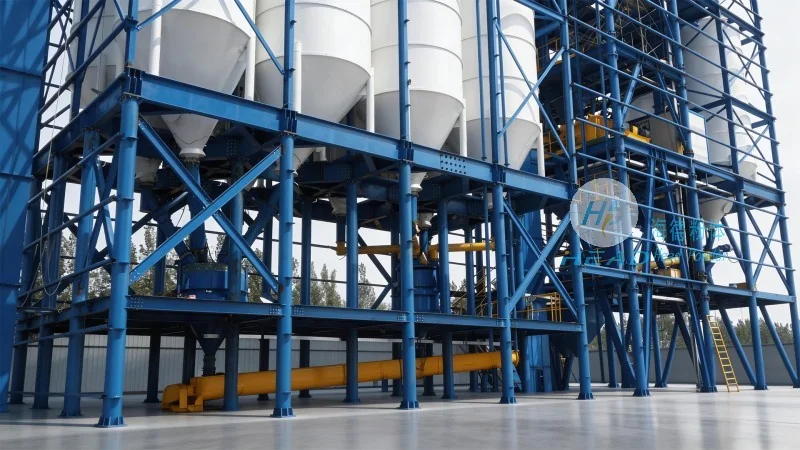
Overland transportation remains a primary method for moving mung beans across shorter to medium distances. This includes road transport via trucks and trailers, which offers flexibility in route selection and can reach even remote locations. Companies like Shandong HeadPowder Engineering Co., Ltd., based in China, often utilize road transport for local and regional distribution. The use of specialized containers, such as bulk trucks or enclosed trailers, helps protect mung beans from environmental factors like moisture and dust, preserving their quality during transit. Additionally, road transport allows for timely delivery, which is essential for meeting market demands and maintaining supply chain integrity. For instance, HeadPowder may employ temperature-controlled trailers to maintain optimal conditions for mung beans, especially during peak seasons when demand is high. This approach ensures that the product reaches consumers in the best possible state, enhancing customer satisfaction and brand reputation.
Waterway Transportation for Bulk Mung Beans
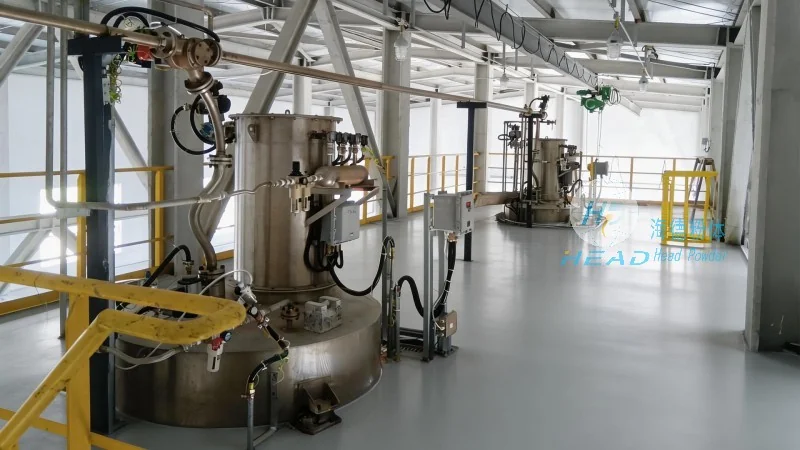
For larger volumes of mung beans, waterway transportation, particularly via ships and barges, becomes a cost-effective and efficient option. This method is ideal for moving mung beans over long distances, such as from production centers in China to international markets. The use of bulk carriers, which are specifically designed to carry agricultural products, minimizes handling and reduces the risk of damage during transit. Companies like HeadPowder leverage waterway transport to optimize their supply chain, reducing transportation costs and enhancing overall operational efficiency. The process typically involves loading mung beans into bulk holds, ensuring proper ventilation and moisture control to prevent spoilage. Upon arrival at the destination port, the beans are unloaded and transferred to other modes of transport, such as trucks or trains, for final delivery. Waterway transport also offers environmental advantages, as it generally produces lower carbon emissions compared to road transport, aligning with sustainability objectives in the industry.
Railway Transportation as a Complementary Mode
Railway transportation serves as a complementary mode to road and waterway transport, offering a reliable solution for moving mung beans over medium to long distances. Trains equipped with specialized freight cars can carry substantial quantities of mung beans, making this option suitable for both domestic and cross-border shipments. The use of rail transport reduces road congestion and carbon emissions, aligning with sustainability goals in the industry. Companies based in regions like Shandong, China, often integrate railway transport into their logistics networks to enhance flexibility and reduce transportation costs. The railway system provides a consistent and predictable schedule, which is vital for maintaining inventory levels and meeting customer expectations. Additionally, rail transport is particularly effective for connecting major production hubs with distribution centers, ensuring a steady flow of mung beans to various markets. For example, HeadPowder may utilize rail freight to transport mung beans from their facility to distribution centers in major cities, leveraging the efficiency of the rail network to minimize transit time and costs.
Specialized Equipment and Handling Techniques
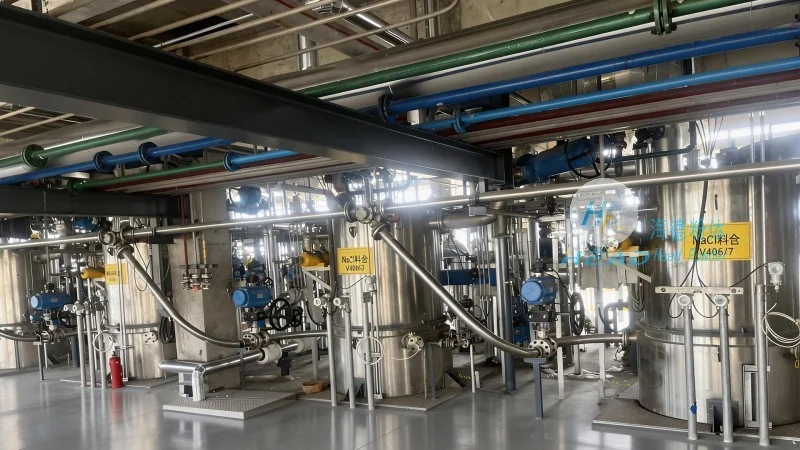
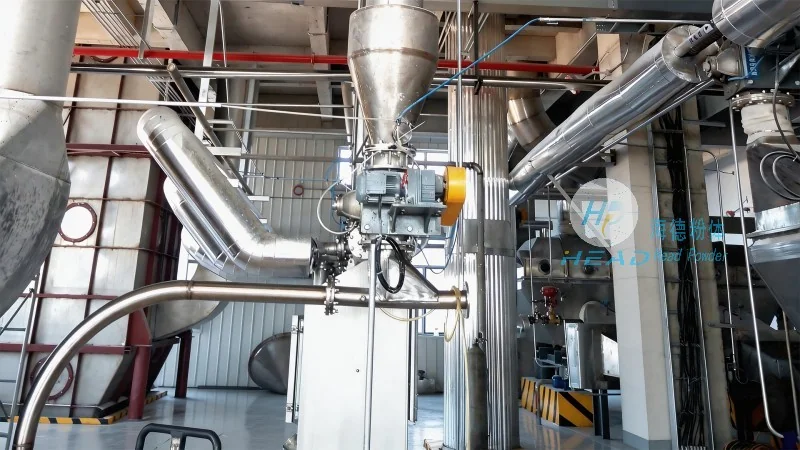
Regardless of the transportation method chosen, specialized equipment and handling techniques are essential for maintaining the quality of mung beans. For road and rail transport, enclosed containers with ventilation systems are commonly used to regulate temperature and moisture levels. These containers are designed to prevent contamination and ensure that the beans remain in optimal condition throughout the journey. In waterway transport, bulk carriers are equipped with features such as sloshing baffles and anti-surge systems to minimize movement and prevent damage to the cargo. Companies like Shandong HeadPowder Engineering Co., Ltd. invest in advanced handling equipment to streamline operations and reduce the risk of product loss. Proper loading and unloading procedures, including the use of conveyor belts and automated systems, further enhance efficiency and reduce manual handling, which can lead to damage or contamination. These techniques not only protect the product but also improve operational efficiency by reducing transit times and minimizing the need for rehandling.
Factors Influencing the Choice of Transportation Method
The selection of the most appropriate transportation method for mung beans depends on several key factors, including distance, volume, cost, and destination. For short distances and small to medium volumes, road transport is often the most practical choice due to its flexibility and speed. However, for larger volumes and longer distances, waterway or railway transport may offer better cost-effectiveness. The availability of infrastructure, such as ports and railway lines, also plays a significant role in determining the optimal method. Additionally, regulatory requirements and environmental considerations, such as emissions standards and sustainability goals, may influence the choice of transportation. Companies must carefully evaluate these factors to select the method that best aligns with their operational objectives and ensures the quality of their mung beans. For instance, a company like HeadPowder may choose a combination of road and rail transport for regional distribution, while relying on waterway transport for international shipments, based on a thorough analysis of cost, time, and product requirements.

 Công ty TNHH Kỹ thuật Công trình Bột Hải Đức Sơn Đông
 156-6277-7102(Quản lý Trương)
  0531-83386006
  Quận Chương Khâu, Thành phố Tế Nam, Tỉnh Sơn Đông, Trung Quốc
Điện thoại
WeChatTư vấn
Lên đầu