Công ty Hải Đức Bột với hơn 10 năm kinh nghiệm vận chuyển khí, cung cấp hệ thống‑thiết bị‑quạt gió và nhận dự án tổng thầu bột cả nước
Wood chip conveyance is a critical process in the wood processing industry, ensuring efficient movement of wood chips from one stage of production to another. The choice of conveyance method depends on various factors including the type of wood, the volume of material, the distance to be covered, and the specific requirements of the processing plant. For businesses operating in this sector, understanding the available options and selecting the most suitable system is essential for optimizing operational efficiency and reducing costs.
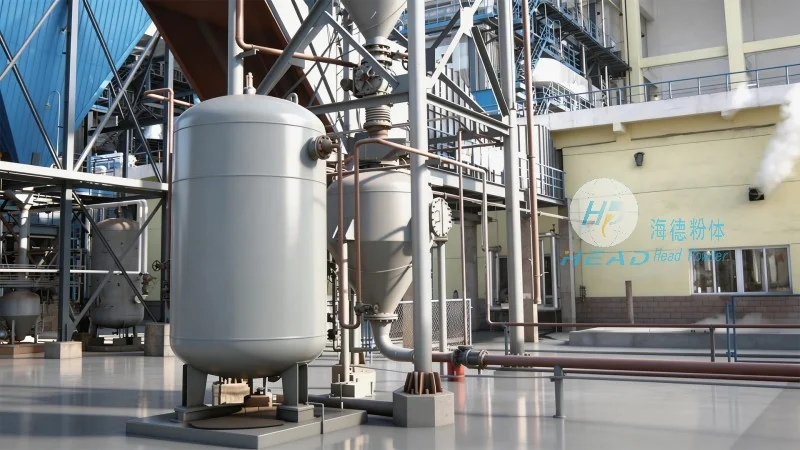
Types of Wood Chip Conveyance Systems
Several methods are commonly employed for wood chip conveyance, each with its own advantages and applications. The primary systems include belt conveyors, screw conveyors, and pneumatic (air) conveyors. Each of these systems is designed to handle wood chips under different conditions and for different operational needs.
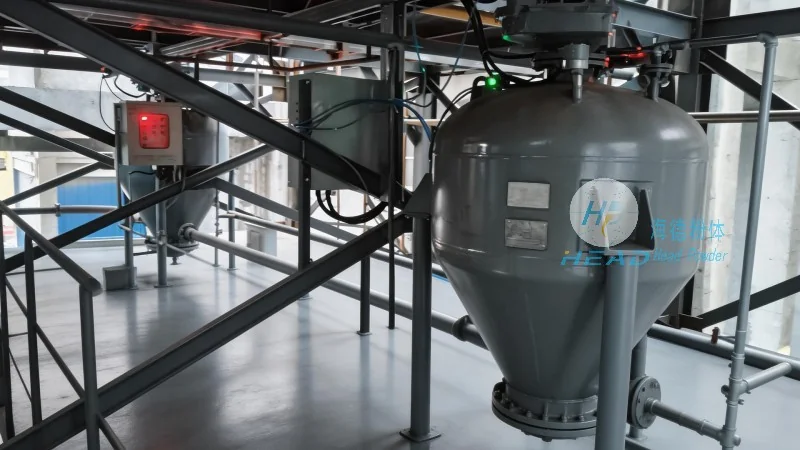
Belt Conveyors for Wood Chip Transport
Belt conveyors are one of the most widely used methods for wood chip conveyance due to their durability and ability to handle large volumes of material over long distances. These systems consist of a continuous loop of belt that moves over rollers or pulleys, transporting wood chips from the source to the destination. The design of belt conveyors can be customized to accommodate various chip sizes and moisture content, making them versatile for different wood processing applications. For instance, in sawmills and pulp mills, belt conveyors are often used to transport wood chips from the debarking and chipping stages to the processing units. The robust construction of these conveyors ensures they can withstand the abrasive nature of wood chips, reducing maintenance costs and increasing the overall lifespan of the equipment. HeadPowder, a leading manufacturer in the field, offers high-quality belt conveyor systems tailored to meet the specific needs of wood processing facilities. Their expertise in conveyor design and manufacturing ensures that clients receive reliable and efficient equipment that enhances their production capabilities.
Screw Conveyors for Wood Chip Handling
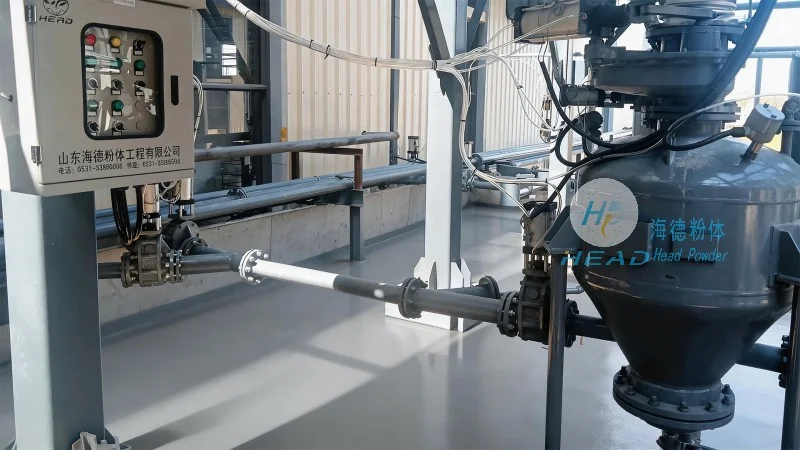
Screw conveyors, also known as auger conveyors, are another effective method for wood chip conveyance, particularly in applications where vertical or inclined transport is required. These systems use a rotating screw (auger) to move wood chips through a tube or trough. The screw's rotation creates a pushing action that propels the material forward, making screw conveyors ideal for handling dry wood chips with low to moderate moisture content. They are commonly used in smaller processing plants or for short-distance transport within a facility. The compact design of screw conveyors allows for easy integration into existing production lines, and they are relatively low-maintenance compared to other systems. HeadPowder provides screw conveyor solutions that are engineered for durability and efficiency, ensuring smooth operation and minimal downtime. Their products are designed to handle the specific characteristics of wood chips, such as size and density, to optimize performance.
Pneumatic (Air) Conveyors for Wood Chip Transport
Pneumatic conveyors use air pressure to transport wood chips through a pipeline system. This method is particularly suitable for applications where dust control and the need to transport chips over long distances are critical. The system consists of a blower that generates air flow, which carries the wood chips through the pipeline to the desired location. Pneumatic conveyors are often used in pulp and paper mills to transport wood chips from storage areas to the processing units. One of the key advantages of this method is the ability to transport chips in a closed system, which helps in controlling dust and preventing contamination. However, pneumatic conveyors require higher energy input compared to other systems and may not be suitable for very large volumes of material. HeadPowder offers pneumatic conveyor systems that are designed to handle the demands of wood chip transport, with features such as adjustable air flow and efficient dust collection to ensure optimal performance. Their expertise in pneumatic system design ensures that clients receive reliable and effective solutions for their wood chip conveyance needs.
Choosing the Right Wood Chip Conveyance System
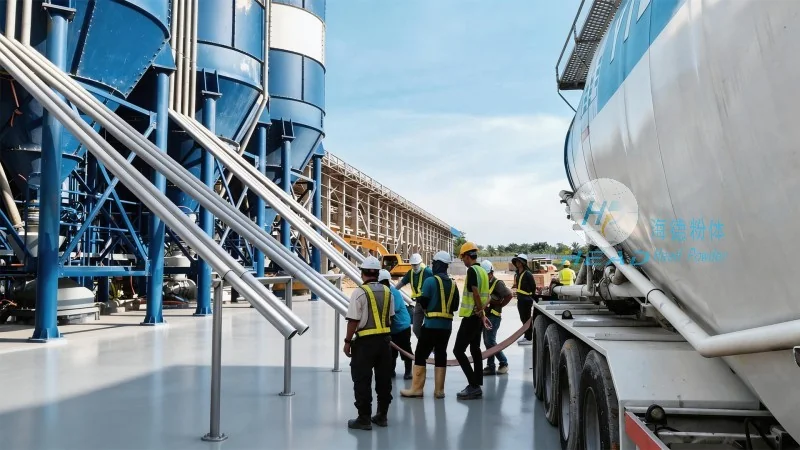
Selecting the appropriate wood chip conveyance system is a critical decision that impacts the overall efficiency and cost-effectiveness of a wood processing operation. Several factors should be considered when making this choice, including the type and size of wood chips, the distance to be covered, the required throughput, and the available space in the facility. It is also important to consider the maintenance requirements and operational costs associated with each system. For example, belt conveyors may require more maintenance due to the wear and tear of the belt and pulleys, while screw conveyors are generally more maintenance-friendly. Pneumatic conveyors, on the other hand, have higher energy costs but offer better dust control. HeadPowder provides comprehensive guidance and support to help clients evaluate their specific needs and select the most suitable conveyance system. Their team of experts can conduct on-site assessments and provide customized solutions that align with the client's operational goals. By choosing the right system, wood processing facilities can improve their production efficiency, reduce operational costs, and enhance the overall quality of their output.

 Công ty TNHH Kỹ thuật Công trình Bột Hải Đức Sơn Đông
 156-6277-7102(Quản lý Trương)
  0531-83386006
  Quận Chương Khâu, Thành phố Tế Nam, Tỉnh Sơn Đông, Trung Quốc
Điện thoại
WeChatTư vấn
Lên đầu