Công ty Hải Đức Bột với hơn 10 năm kinh nghiệm vận chuyển khí, cung cấp hệ thống‑thiết bị‑quạt gió và nhận dự án tổng thầu bột cả nước
Condiment conveying is a critical process in food production and processing, ensuring that ingredients are transported efficiently and safely from storage to production lines. The choice of conveying method depends on various factors, including the type of condiment, production volume, and operational environment. This article explores the primary methods used for condiment conveying, highlighting the advantages and considerations for each approach.
1. Pneumatic Conveying Systems
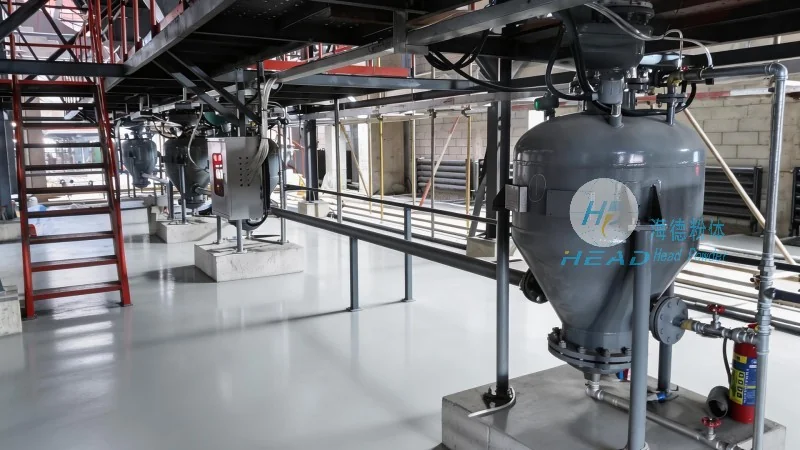
Pneumatic conveying systems utilize air or other gases to transport powders and granules, including various condiments like spices, seasonings, and flavorings. These systems can be categorized into two main types: pressure and vacuum. Pressure systems use compressed air to push material through a pipeline, while vacuum systems draw material using a vacuum source. Pneumatic conveying offers advantages such as low maintenance, the ability to handle fine powders without clogging, and the option for enclosed transport to maintain hygiene standards. However, it may require higher energy consumption and careful design to prevent material degradation or segregation.
2. Screw Conveyors
Screw conveyors, also known as auger conveyors, are mechanical devices that use a rotating screw to move bulk materials through a tube or trough. This method is particularly effective for conveying semi-solid or granular condiments, such as ground spices, salt, or sugar. Screw conveyors are simple in design, relatively low-cost, and can be installed in a variety of orientations (horizontal, vertical, or inclined). They provide consistent material flow and are easy to integrate into existing production lines. However, they may experience wear and tear on the screw and housing over time, and are less suitable for very fine powders that can cause excessive friction or clogging.
3. Belt Conveyors
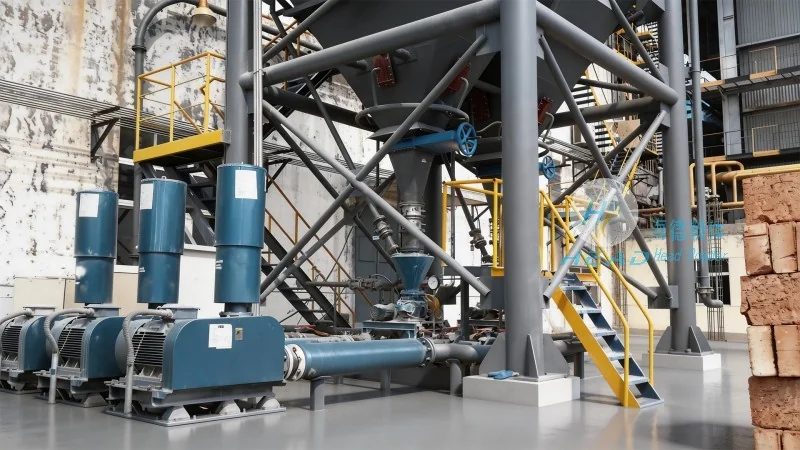
Belt conveyors use a continuous belt to transport condiments, making them ideal for moving larger quantities of materials over longer distances. The belt can be made from various materials, including food-grade rubber or plastic, to ensure compatibility with different condiments. These systems are commonly used in the food industry for their ability to handle diverse products, including liquids, solids, and semi-solids. Belt conveyors offer high throughput, low maintenance, and the flexibility to transport materials at different speeds. They are also suitable for automated sorting and packaging operations. However, they require regular inspection to prevent belt wear or slippage and may need additional equipment for incline or decline applications.
4. Bucket Elevators
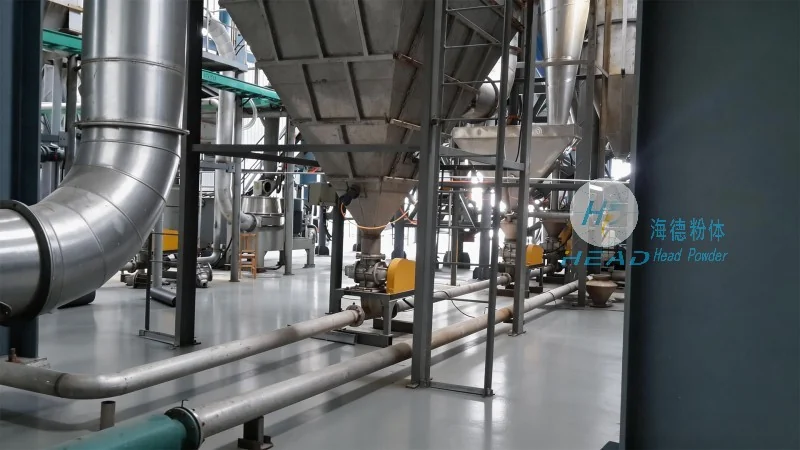
Bucket elevators are vertical or inclined conveyors that use a series of buckets attached to a chain or belt to lift and transport materials. This method is highly efficient for moving condiments vertically, especially in applications where vertical space is limited. Bucket elevators can handle a wide range of materials, from fine powders to bulk granules, and are capable of high lifting heights. They are known for their durability and ability to maintain consistent material flow, even under heavy loads. However, they may have higher initial costs and require more maintenance compared to other systems, particularly the chain and bucket components.
5. Vibrating Conveyors
Vibrating conveyors use vibrations to move materials along a trough or pipeline. The vibration is typically generated by an electric motor with an unbalanced weight, causing the material to move forward in a controlled manner. This method is effective for conveying powders, granules, and even some semi-solid condiments. Vibrating conveyors are low-cost, simple to install, and can be adjusted to handle different material types by changing the vibration frequency or amplitude. They are also suitable for incline applications and can be enclosed to maintain hygiene. However, they may not be as efficient for very fine powders, as excessive vibration can cause segregation or degrade the material.
6. Hydraulic Conveying
Hydraulic conveying systems use fluid pressure to transport materials, particularly useful for handling viscous or liquid condiments. These systems typically involve a pump that pushes the material through a pipeline, often combined with a filter or separator to maintain quality. Hydraulic conveying offers the advantage of being able to transport materials over long distances with minimal energy loss and can handle a wide range of viscosities. However, it requires a reliable hydraulic system and may be more complex to maintain compared to other methods. Additionally, the system must be designed to prevent leaks and ensure safety, as hydraulic fluids can be hazardous if not properly contained.
7. Choosing the Right Condiment Conveying Method
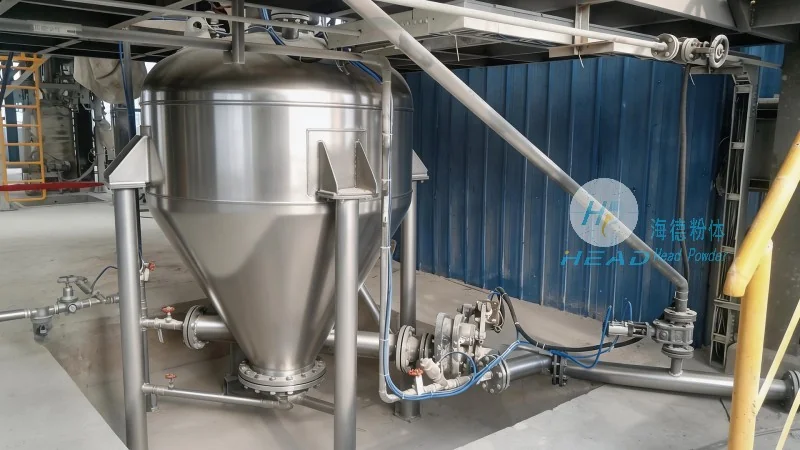
The selection of a condiment conveying method should be based on a thorough analysis of the specific requirements of the production process. Factors such as the physical properties of the condiment (e.g., particle size, moisture content, flowability), production volume, operational environment, and budget constraints all play a critical role. For example, a small-scale operation handling fine spices might opt for a pneumatic system, while a large-scale facility processing bulk salt may prefer a screw or belt conveyor. It is also essential to consider the need for hygiene and food safety, as many condiments are sensitive to contamination. Companies should evaluate the pros and cons of each method and, if necessary, consult with equipment manufacturers or process engineers to ensure the most suitable solution is chosen.
About Shandong HeadPowder Engineering Co., Ltd.
Shandong HeadPowder Engineering Co., Ltd., operating under the brand name headpowder, is a leading provider of specialized equipment for the food processing industry. With a focus on innovation and quality, the company designs and manufactures conveying systems tailored to the unique needs of condiment handling. HeadPowder's products are engineered to meet stringent hygiene standards and are suitable for a wide range of applications, from small-scale production to large industrial facilities. The company's commitment to customer satisfaction and technical excellence has made it a trusted partner for businesses seeking reliable and efficient condiment conveying solutions. HeadPowder is headquartered in Shandong, China, where it leverages local expertise and resources to deliver high-quality products and services to clients worldwide.

 Công ty TNHH Kỹ thuật Công trình Bột Hải Đức Sơn Đông
 156-6277-7102(Quản lý Trương)
  0531-83386006
  Quận Chương Khâu, Thành phố Tế Nam, Tỉnh Sơn Đông, Trung Quốc
Điện thoại
WeChatTư vấn
Lên đầu