Công ty Hải Đức Bột với hơn 10 năm kinh nghiệm vận chuyển khí, cung cấp hệ thống‑thiết bị‑quạt gió và nhận dự án tổng thầu bột cả nước
River sand, a crucial raw material in construction and industrial applications, requires efficient and reliable transportation systems to meet production demands. The choice of conveying method significantly impacts operational efficiency, cost-effectiveness, and environmental compliance. For businesses dealing with river sand, selecting the right conveying system is essential to ensure smooth workflow and optimal performance. This article explores various methods used for river sand transportation, highlighting the key considerations and applications.
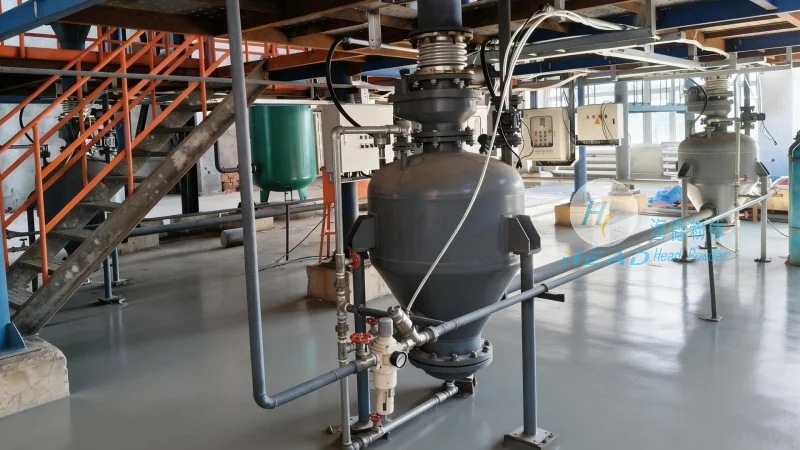
1. Belt Conveyor Systems for River Sand
Belt conveyors are among the most common and versatile solutions for transporting river sand. These systems utilize a continuous belt to move material from one location to another, making them suitable for both short and long-distance transport. The robust design of belt conveyors allows them to handle large volumes of sand with minimal maintenance. Key features include heavy-duty rollers, reinforced belts, and adjustable speed controls, which enhance their adaptability to varying production needs. For instance, in mining and construction sites, belt conveyors are often integrated with crushing and screening equipment to form a complete sand processing line. The efficiency of belt conveyors is further improved by using idlers with low friction, reducing energy consumption and extending the lifespan of the system. Additionally, the modular design of these conveyors enables easy installation and expansion, making them a flexible choice for growing operations.
2. Screw Conveyors for Fine River Sand
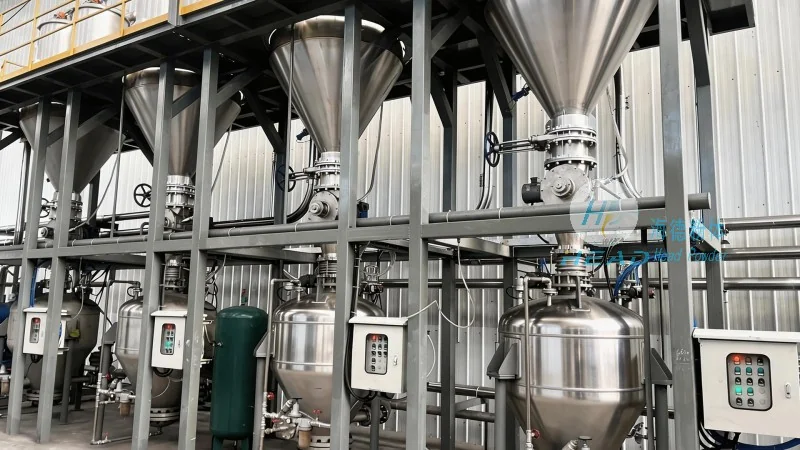
Screw conveyors, also known as auger conveyors, are ideal for transporting fine river sand, especially in applications where vertical or inclined movement is required. These systems consist of a rotating screw (auger) enclosed in a tube, which pushes the sand forward through the channel. Screw conveyors are particularly effective in handling dry or slightly moist sand, as they minimize material spillage and dust generation. The design allows for precise control over the flow rate, making them suitable for feeding processes in sand washing and processing plants. One of the advantages of screw conveyors is their compact footprint, which is beneficial in confined spaces where horizontal or vertical space is limited. However, they are generally less efficient for large volumes compared to belt conveyors, as the screw may experience higher friction and wear under heavy loads. Proper lubrication and material selection are crucial to maintain the performance and longevity of screw conveyors in river sand applications.
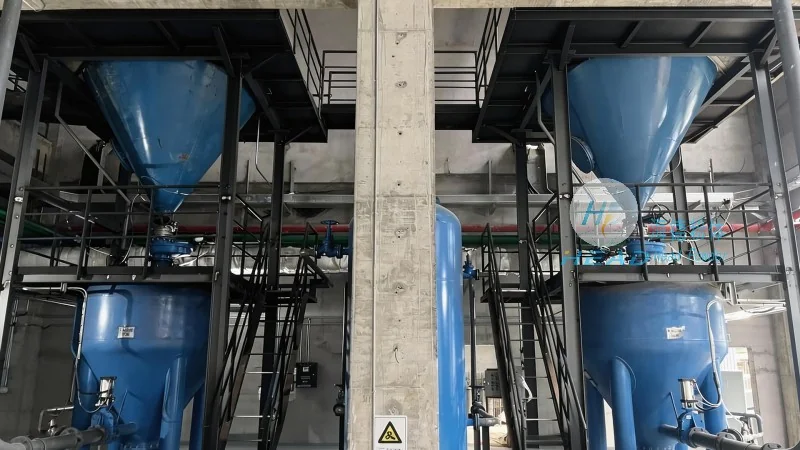
3. Pumping Systems for River Sand Transport
Pumping systems, including slurry pumps and dredging pumps, are used for transporting river sand in liquid or semi-liquid form. These systems are particularly useful for moving sand over long distances or across water bodies, such as rivers or lakes. Slurry pumps are designed to handle abrasive materials like sand, with hardened impellers and liners to resist wear. The pump's capacity and pressure can be adjusted to match the specific requirements of the project, ensuring reliable transport even in challenging conditions. Dredging pumps, on the other hand, are specialized for extracting sand from the bottom of water bodies and transporting it to processing facilities. They often feature high suction capabilities and are equipped with anti-cavitation designs to prevent damage from air bubbles in the slurry. The use of pumping systems allows for continuous and unobstructed transport, reducing downtime and increasing overall productivity. However, these systems require regular maintenance to prevent clogging and ensure consistent performance, as sand particles can accumulate in the pump's components over time.
4. Bucket Elevators for Vertical River Sand Transport
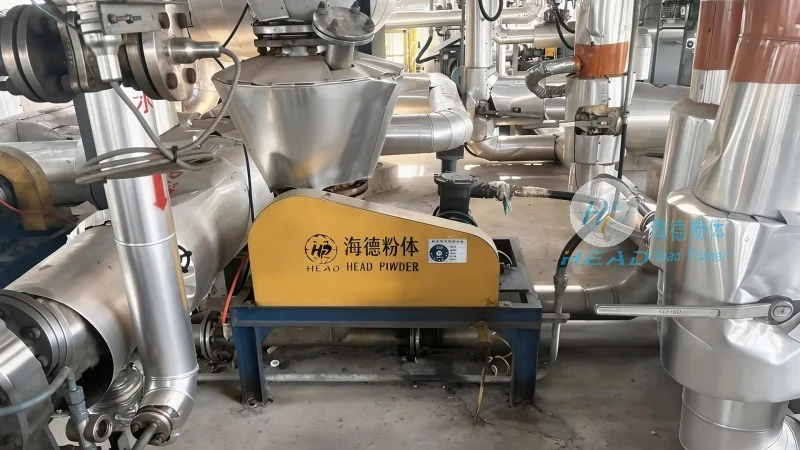
Bucket elevators, or vertical conveyors, are used to transport river sand vertically, often as part of a sand processing plant. These systems consist of a continuous chain with attached buckets that move up and down within a vertical casing. The buckets scoop sand from the bottom and discharge it at the top, providing a compact and efficient solution for vertical transport. Bucket elevators are particularly advantageous in applications where space is limited horizontally, as they occupy minimal floor area. The design allows for high lifting heights and large capacity, making them suitable for moving sand from stockpiles to processing equipment or storage areas. One of the key benefits of bucket elevators is their ability to handle abrasive materials without significant wear, as the buckets are typically made of durable materials like steel or rubber. However, they may require more maintenance than horizontal conveyors due to the mechanical components involved in the vertical movement. Proper alignment and tensioning of the chain are essential to prevent downtime and ensure smooth operation.
5. Combined Conveying Systems for River Sand
In many industrial settings, a single conveying method may not be sufficient to meet all the requirements of river sand transport. Therefore, combined systems that integrate multiple technologies are often employed. For example, a belt conveyor may feed a screw conveyor that then connects to a bucket elevator, creating a complete vertical and horizontal transport line. This approach allows for efficient handling of sand from extraction to processing, minimizing material handling steps and reducing the risk of loss or contamination. Combined systems also enable better control over the flow rate and direction of the sand, ensuring that it reaches the desired destination without interruption. The use of sensors and automation in these systems further enhances their performance, providing real-time monitoring and adjustment based on production needs. Additionally, combined systems can be designed to be modular, allowing for easy upgrades or modifications as the business grows or its requirements change. This flexibility makes them a popular choice for large-scale sand processing operations.

 Công ty TNHH Kỹ thuật Công trình Bột Hải Đức Sơn Đông
 156-6277-7102(Quản lý Trương)
  0531-83386006
  Quận Chương Khâu, Thành phố Tế Nam, Tỉnh Sơn Đông, Trung Quốc
Điện thoại
WeChatTư vấn
Lên đầu