Công ty Hải Đức Bột với hơn 10 năm kinh nghiệm vận chuyển khí, cung cấp hệ thống‑thiết bị‑quạt gió và nhận dự án tổng thầu bột cả nước
When it comes to handling and transporting mung beans, selecting the right conveying method is crucial for efficiency, cost-effectiveness, and product integrity. Various technologies are available, each with distinct characteristics that influence operational outcomes. This article provides a detailed comparison of common mung bean conveying methods, examining their advantages and disadvantages to help industrial operations make informed decisions.
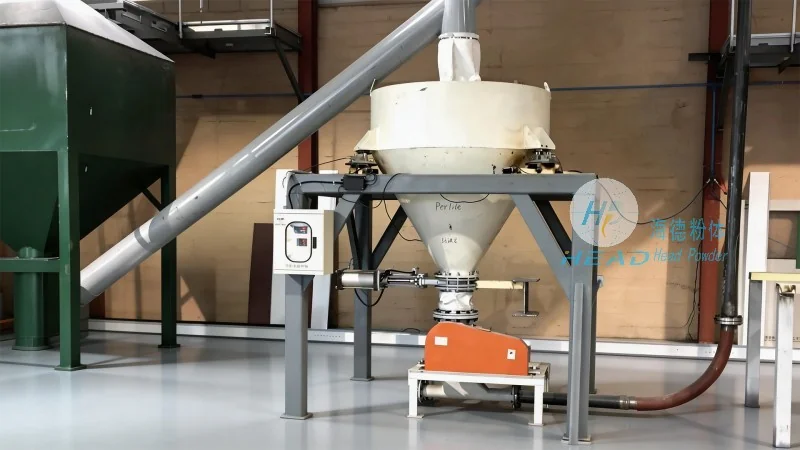
Introduction to Mung Bean Conveying Systems
Mung beans are widely used in food processing, agriculture, and industrial applications. Their small size and delicate nature require specialized equipment to ensure safe and efficient transport. Conveying systems must handle the beans without causing damage, contamination, or excessive wear on machinery. The choice of conveying method depends on factors such as production volume, distance, material characteristics, and budget constraints. Understanding the pros and cons of each method is essential for optimizing workflow and minimizing operational costs.
1. Screw Conveyor (Auger Conveyor)
A screw conveyor, also known as an auger conveyor, is a popular choice for mung bean transport due to its simplicity and reliability. This system consists of a rotating helical screw inside a trough, which moves material along the length of the conveyor. The screw conveyor is particularly effective for vertical or inclined transport, as it can lift mung beans from lower to higher levels with minimal power consumption.
Advantages of the screw conveyor include its compact design, low maintenance requirements, and ability to handle a wide range of particle sizes. It is suitable for both dry and slightly moist mung beans, making it versatile for different processing stages. The enclosed design also helps prevent dust and contamination, which is critical for food-grade products. Additionally, screw conveyors can be easily integrated into existing production lines, reducing installation time and costs.
However, the screw conveyor has several limitations. It is not ideal for transporting large quantities of mung beans over long distances, as it may experience increased friction and wear. The rotating screw can also cause some material degradation, especially for delicate beans. Moreover, the system may generate heat during operation, which could affect the quality of the mung beans if not properly managed. The trough design limits the conveying angle to a certain degree, making it less suitable for steep inclines or horizontal transport over extended distances.
2. Belt Conveyor
A belt conveyor uses a continuous loop of material (usually rubber or fabric) to transport mung beans. The belt is supported by rollers and moves over a frame, carrying the beans from one point to another. This method is widely used in bulk material handling due to its high capacity and ability to cover long distances.
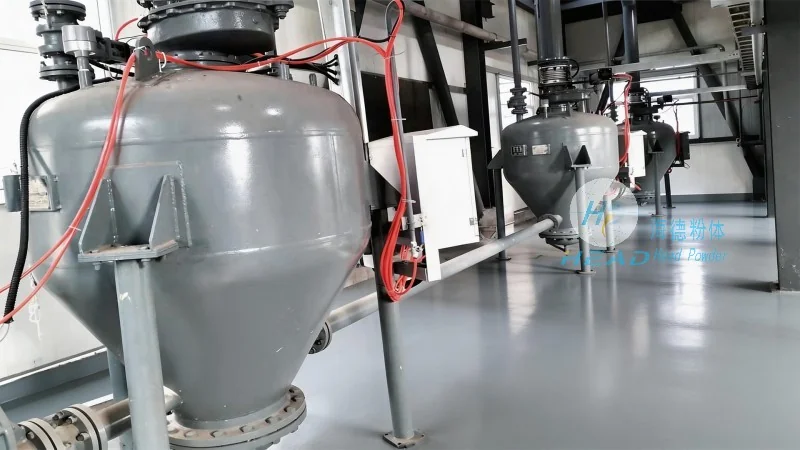
One of the primary advantages of a belt conveyor is its high throughput capacity, making it suitable for large-scale mung bean processing operations. It can transport large volumes of material efficiently, reducing labor costs and increasing production speed. The system is also relatively simple to operate and maintain, with minimal moving parts compared to other conveying methods. Belt conveyors are highly versatile, capable of handling various materials, including mung beans, and can be customized for different applications.
Despite these benefits, belt conveyors have notable drawbacks. They require a significant amount of space, which may be a constraint in smaller facilities. The system is also susceptible to material buildup and spillage, which can lead to contamination and maintenance issues. Additionally, belt conveyors are not suitable for vertical transport, as they are primarily designed for horizontal or slight incline movement. The cost of installation and maintenance can be higher compared to simpler systems like screw conveyors, especially for long-distance applications.
3. Pneumatic Conveying System
Pneumatic conveying, or air conveyor, uses air pressure to transport mung beans through a pipeline. This method involves blowing air through a duct, which carries the beans along with it. Pneumatic systems are often used for fine or powdery materials, but they can also handle mung beans effectively.
The main advantage of pneumatic conveying is its ability to transport mung beans in a closed system, minimizing dust and contamination. This is particularly important for food-grade products, as it prevents cross-contamination and maintains hygiene standards. The system is also flexible, as it can be easily reconfigured to change the path of the conveyor. Pneumatic conveyors can handle both dry and slightly moist mung beans, and they are effective for both short and long distances, depending on the design.
However, pneumatic conveying has significant limitations. It requires high air pressure and energy consumption, which can increase operational costs. The system is also prone to material degradation due to the high velocity of air and the friction between beans and the pipeline. Additionally, the equipment is more complex and expensive to install and maintain compared to other methods. Pneumatic conveyors may also experience blockages or clogs if the mung beans are too wet or contain debris, leading to downtime and maintenance issues.
4. Bucket Elevator
A bucket elevator is a vertical or inclined conveyor that uses a series of buckets attached to a chain or belt to transport mung beans. The buckets are filled at the bottom and then travel up the conveyor, discharging the material at the top. This method is commonly used for vertical transport in bulk material handling.
One of the key advantages of a bucket elevator is its high vertical lifting capacity, making it ideal for transporting mung beans from lower to higher levels without the need for additional equipment. The system is also relatively compact and can handle large volumes of material efficiently. Bucket elevators are designed to minimize material spillage and contamination, as the buckets are enclosed and the material is transported in a controlled manner.
Nevertheless, bucket elevators have several disadvantages. They are not suitable for horizontal transport, as they are primarily designed for vertical movement. The system requires regular maintenance to ensure the buckets and chains are in good condition, as wear and tear can lead to breakdowns. Additionally, the cost of installation and maintenance can be higher compared to other conveying methods, especially for large-scale operations. The speed of the conveyor may also be limited, which could affect overall production throughput.
5. Vibrating Conveyor
A vibrating conveyor uses vibrations to move mung beans along a trough. The conveyor is mounted on springs or other vibration sources, which cause the material to move forward due to the shaking motion. This method is often used for light materials like mung beans.
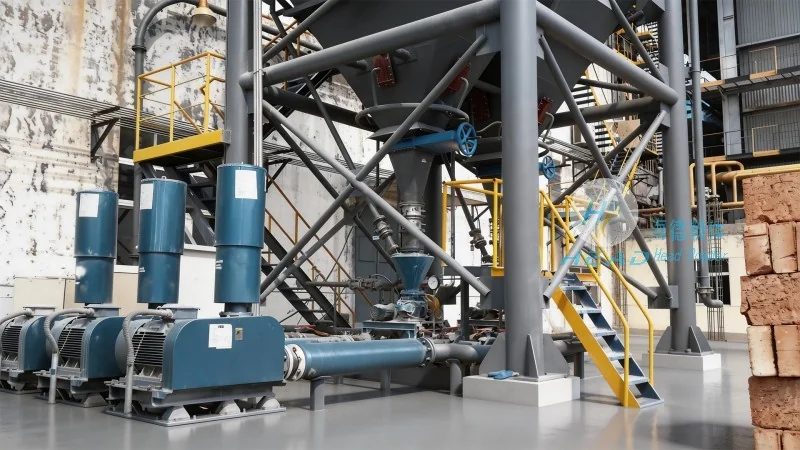
The main advantage of a vibrating conveyor is its ability to handle delicate materials without causing damage. The gentle shaking motion minimizes stress on the beans, making it suitable for products that are prone to breakage or bruising. The system is also relatively simple and low-cost to install and maintain. Vibrating conveyors can be used for both horizontal and slight incline transport, and they are effective for short to medium distances.
However, vibrating conveyors have limitations in terms of capacity and distance. They are not suitable for large volumes of mung beans, as the conveying rate is relatively low. The system also requires a stable foundation to prevent vibration-related issues, and the trough design may limit the angle of incline. Additionally, the energy consumption is higher compared to some other methods, and the maintenance of the vibration mechanism can be more complex.
Choosing the Right Conveying Method for Mung Beans
When selecting a mung bean conveying method, several factors must be considered to ensure optimal performance and cost-effectiveness. The first consideration is the production volume and distance of transport. For small-scale operations with short distances, a screw conveyor or vibrating conveyor may be sufficient. For large-scale operations over long distances, a belt conveyor or pneumatic system may be more appropriate.
Material characteristics are also critical. If the mung beans are delicate and prone to damage, a vibrating conveyor or screw conveyor with gentle handling features may be preferred. For food-grade products, a closed system like a pneumatic or belt conveyor is essential to maintain hygiene and prevent contamination. The budget and available space are other important factors, as different systems have varying installation and maintenance costs and space requirements.
It is often beneficial to evaluate multiple methods and consider a combination of systems for complex operations. For example, a screw conveyor can be used for initial transport, followed by a belt conveyor for longer distances, and a pneumatic system for final handling. This integrated approach can optimize workflow and minimize downtime.
Conclusion
Each mung bean conveying method has its own set of advantages and disadvantages, making the choice dependent on specific operational needs. By carefully evaluating factors such as production volume, distance, material characteristics, and budget, industrial operations can select the most suitable conveying system. This ensures efficient transport, maintains product quality, and reduces operational costs. For more information on mung bean conveying solutions, contact Shandong HeadPowder Engineering Co., Ltd., a leading provider of industrial conveying equipment based in China.

 Công ty TNHH Kỹ thuật Công trình Bột Hải Đức Sơn Đông
 156-6277-7102(Quản lý Trương)
  0531-83386006
  Quận Chương Khâu, Thành phố Tế Nam, Tỉnh Sơn Đông, Trung Quốc
Điện thoại
WeChatTư vấn
Lên đầu