Công ty Hải Đức Bột với hơn 10 năm kinh nghiệm vận chuyển khí, cung cấp hệ thống‑thiết bị‑quạt gió và nhận dự án tổng thầu bột cả nước
Diatomite, a natural sedimentary rock composed primarily of fossilized diatoms, is widely used in various industries such as filtration, catalysis, and construction. Efficient and reliable conveying of diatomite is crucial for maintaining production efficiency and ensuring product quality. This article provides a detailed comparison of common diatomite conveying methods, highlighting their advantages and disadvantages to help industrial operators make informed decisions.
As a leading provider of diatomite processing solutions, Shandong HeadPowder Engineering Co., Ltd. specializes in designing and manufacturing advanced conveying systems tailored to the unique needs of diatomite handling. With years of experience in the industry, HeadPowder offers comprehensive solutions that optimize material flow, reduce operational costs, and enhance overall productivity.
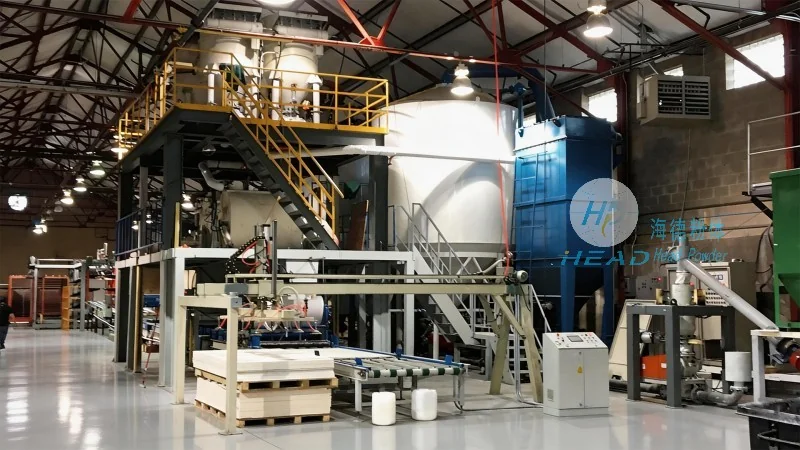
Pneumatic Conveying: Advantages and Disadvantages
Pneumatic conveying is a widely used method for transporting diatomite, especially in applications requiring long-distance or high-volume transport. This method involves using air pressure to move the material through a pipeline. The primary advantages of pneumatic conveying include high conveying capacity, flexibility in system design, and the ability to handle fine or dusty materials without the need for additional equipment. However, it also has several disadvantages. One major drawback is the high energy consumption, as it requires significant air pressure and flow rates. Additionally, the system can be prone to blockages, especially with wet or sticky diatomite, leading to maintenance challenges. Furthermore, the initial investment cost for pneumatic conveying systems is relatively high compared to other methods.
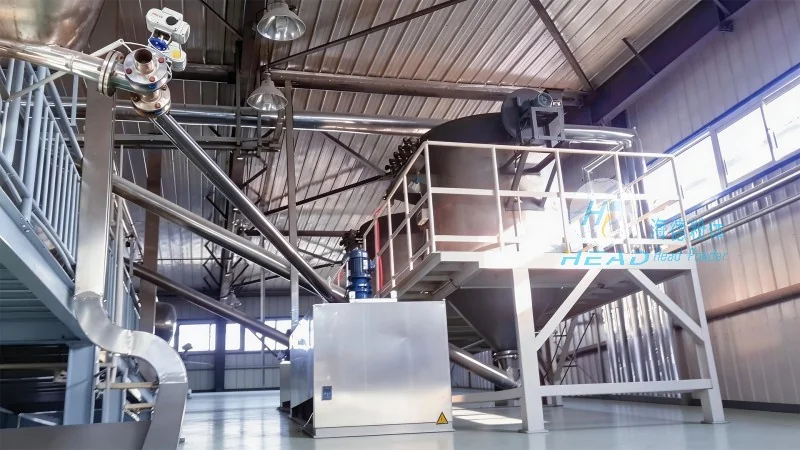
Mechanical Conveying: Advantages and Disadvantages
Mechanical conveying methods, such as belt conveyors, screw conveyors, and bucket elevators, are commonly used for diatomite transport. These systems rely on mechanical components to move the material. The advantages of mechanical conveying include lower energy consumption compared to pneumatic systems, lower initial investment costs, and ease of maintenance. They are also suitable for handling larger or bulkier diatomite particles. However, mechanical conveyors have limitations in terms of conveying distance and material flexibility. For example, belt conveyors may not be suitable for very fine or dusty diatomite, as it can cause wear and tear on the belt. Screw conveyors, while effective for dry materials, can experience clogging with wet or fibrous diatomite, leading to operational inefficiencies.
Gravity Conveying: Advantages and Disadvantages
Gravity conveying utilizes the natural force of gravity to move diatomite from one level to another. This method is typically used for short vertical or horizontal distances where the material can flow freely under the influence of gravity. The main advantage of gravity conveying is its low energy consumption, as it does not require any external power source. It is also relatively simple and inexpensive to install and maintain. However, the disadvantages are significant. Gravity conveying is only suitable for materials that can flow freely and are not too fine or sticky. It cannot handle long distances or steep inclines, and the system is limited by the material's angle of repose. Additionally, it may not be suitable for diatomite with high moisture content, as it can lead to material bridging or clogging in the conveyor.
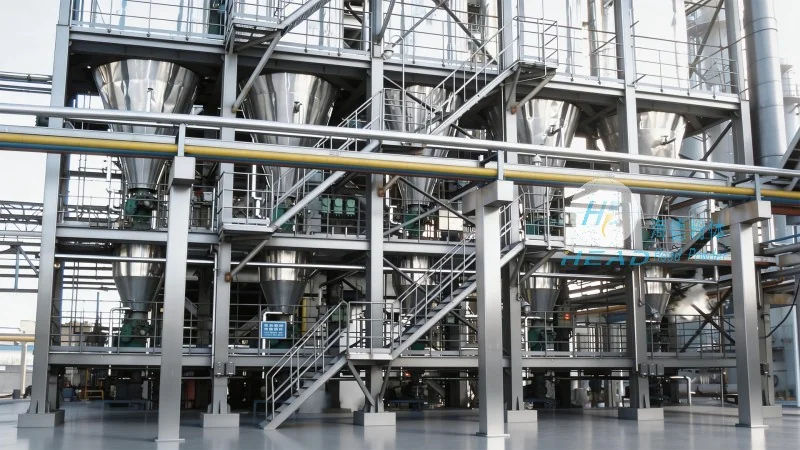
HeadPowder's Comprehensive Conveying Solutions
Shandong HeadPowder Engineering Co., Ltd. offers a range of advanced conveying solutions that address the challenges associated with diatomite transport. By combining the best features of different methods, HeadPowder's systems are designed to optimize material flow, reduce energy consumption, and enhance operational efficiency. For example, the company's hybrid pneumatic-mechanical systems integrate the high capacity of pneumatic conveying with the low cost of mechanical systems, providing a balanced solution for various industrial applications. Additionally, HeadPowder's expertise in material handling allows them to customize solutions based on the specific characteristics of the diatomite, such as particle size, moisture content, and bulk density.
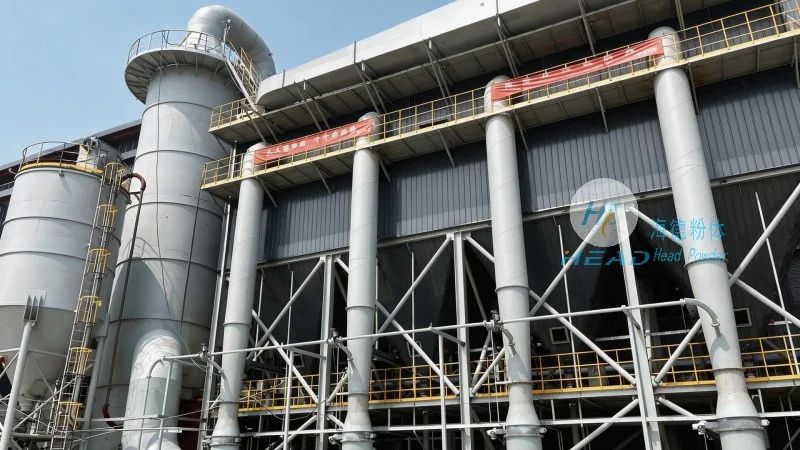
Conclusion
Choosing the right diatomite conveying method depends on various factors, including the application requirements, material characteristics, and operational constraints. By understanding the advantages and disadvantages of each method, industrial operators can select the most suitable solution to ensure efficient and reliable diatomite transport. Shandong HeadPowder Engineering Co., Ltd. is committed to providing innovative and effective conveying solutions that meet the diverse needs of the diatomite industry, helping businesses improve productivity and reduce costs.

 Công ty TNHH Kỹ thuật Công trình Bột Hải Đức Sơn Đông
 156-6277-7102(Quản lý Trương)
  0531-83386006
  Quận Chương Khâu, Thành phố Tế Nam, Tỉnh Sơn Đông, Trung Quốc
Điện thoại
WeChatTư vấn
Lên đầu