Công ty Hải Đức Bột với hơn 10 năm kinh nghiệm vận chuyển khí, cung cấp hệ thống‑thiết bị‑quạt gió và nhận dự án tổng thầu bột cả nước
When it comes to the transportation of aluminum batteries, selecting the right method is crucial for ensuring safety, efficiency, and cost-effectiveness. Aluminum batteries, known for their lightweight and high energy density, require specialized handling to prevent damage and ensure optimal performance. This article provides a detailed comparison of common aluminum battery transportation methods, highlighting their advantages and disadvantages. The information is presented by Shandong HeadPowder Engineering Co., Ltd., a leading provider of industrial solutions based in Shandong, China.
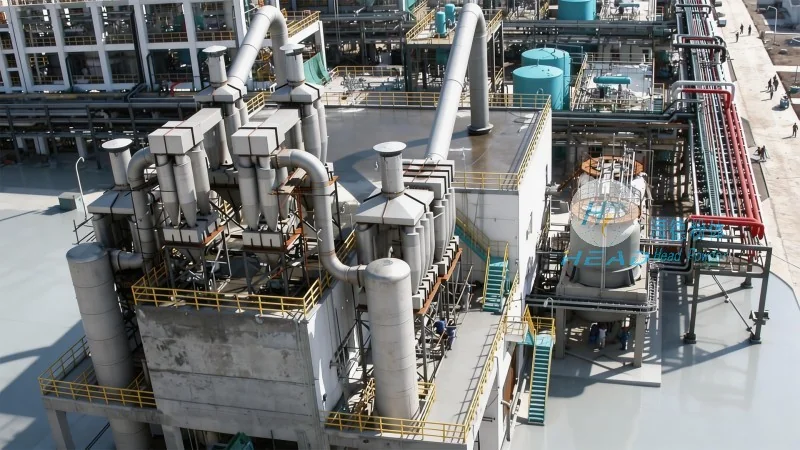
1. Manual Handling Methods
Manual handling remains a common approach for transporting aluminum batteries, especially in smaller-scale operations or where equipment is not readily available. This method involves workers using carts, dollies, or other manual tools to move batteries from one location to another. The primary advantage of manual handling is its simplicity and low initial cost. However, it comes with significant drawbacks, including high labor costs, increased risk of human error, and potential for physical strain on workers. Additionally, manual handling may not be suitable for large or heavy batteries, as it can lead to fatigue and safety hazards. For Shandong HeadPowder Engineering Co., Ltd., understanding these limitations is essential when advising clients on the most appropriate transportation solutions.
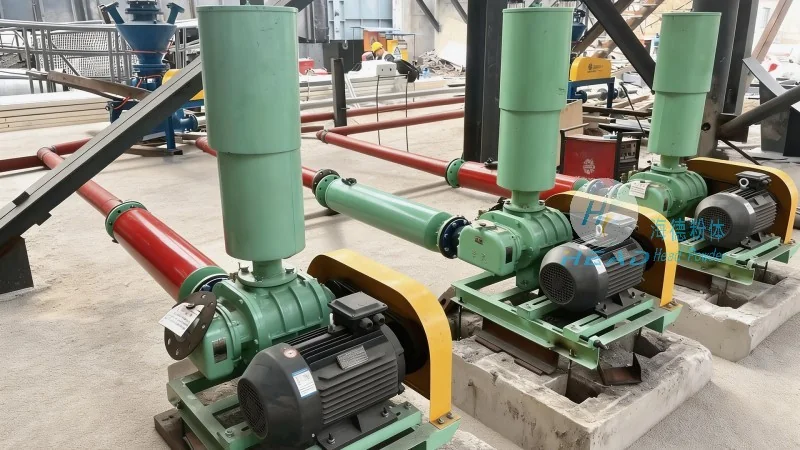
2. Mechanical Conveyance Systems
Mechanical conveyance systems, such as conveyor belts, elevators, and material handling equipment, offer a more efficient alternative to manual handling. These systems are designed to move aluminum batteries in a controlled manner, reducing the risk of damage and improving workflow efficiency. One of the key advantages of mechanical conveyance is its ability to handle larger quantities of batteries at once, which is particularly beneficial in manufacturing or assembly lines. Additionally, these systems can be integrated with other industrial processes, enhancing overall productivity. However, mechanical conveyance systems require significant upfront investment and ongoing maintenance. They also need proper space and infrastructure, which may not be feasible for all facilities. Furthermore, if not properly designed or operated, these systems can pose safety risks, such as entanglement or falls. Shandong HeadPowder Engineering Co., Ltd. specializes in designing and implementing such systems, ensuring they meet the specific needs of each client while adhering to safety standards.
3. Automated Guided Vehicles (AGVs)
Automated Guided Vehicles (AGVs) represent a more advanced and flexible approach to aluminum battery transportation. AGVs are self-propelled vehicles equipped with sensors and navigation systems that allow them to move batteries autonomously within a facility. This method offers several advantages, including increased flexibility, reduced labor costs, and improved safety. AGVs can be programmed to follow specific routes, avoiding obstacles and minimizing human intervention. They are particularly useful in large-scale operations where batteries need to be transported over long distances or between different areas of a plant. However, AGVs require sophisticated technology and regular maintenance, which can increase operational costs. Additionally, their implementation may involve significant changes to the existing infrastructure, such as installing charging stations and navigation markers. Shandong HeadPowder Engineering Co., Ltd. has extensive experience in integrating AGVs into industrial processes, providing customized solutions that optimize battery transportation while maximizing efficiency.
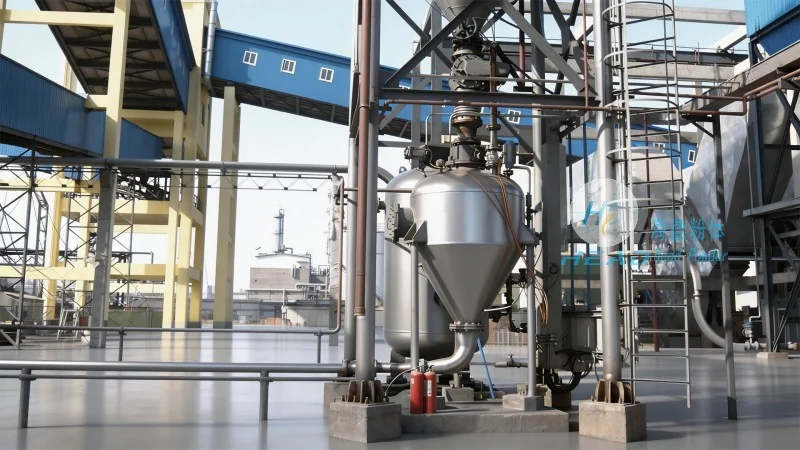
4. Pneumatic Conveying Systems
Pneumatic conveying systems use air pressure to transport aluminum batteries through a network of pipes. This method is ideal for moving small, lightweight batteries over short to medium distances. The primary advantage of pneumatic conveying is its ability to handle fragile or sensitive batteries without physical contact, reducing the risk of damage. It also allows for continuous operation, which can improve production throughput. However, pneumatic systems have limitations in terms of battery size and weight, as larger batteries may not be able to be conveyed effectively. Additionally, they require a consistent air supply and proper sealing to prevent air leaks, which can affect performance. The cost of installation and maintenance for pneumatic systems can also be higher compared to other methods. Shandong HeadPowder Engineering Co., Ltd. evaluates the suitability of pneumatic conveying for different battery types and applications, ensuring that clients receive the most appropriate solution for their needs.
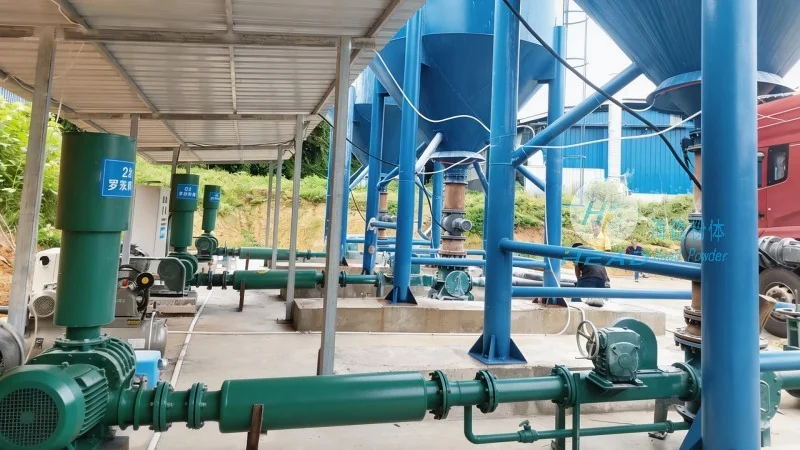
Conclusion: Choosing the Right Aluminum Battery Transportation Method
Choosing the right aluminum battery transportation method depends on various factors, including the scale of operations, budget, and specific requirements of the batteries. Manual handling may be suitable for small-scale or low-volume operations, while mechanical and automated systems are better suited for larger, more complex facilities. Pneumatic conveying offers a unique solution for specific battery types and distances. Shandong HeadPowder Engineering Co., Ltd. provides comprehensive consultation and customized solutions to help clients select the most effective transportation method. By understanding the advantages and disadvantages of each approach, businesses can optimize their battery handling processes, improve safety, and enhance overall operational efficiency. Whether it's manual handling, mechanical systems, AGVs, or pneumatic conveying, the goal is to ensure that aluminum batteries are transported safely and efficiently, supporting the performance and longevity of the batteries.

 Công ty TNHH Kỹ thuật Công trình Bột Hải Đức Sơn Đông
 156-6277-7102(Quản lý Trương)
  0531-83386006
  Quận Chương Khâu, Thành phố Tế Nam, Tỉnh Sơn Đông, Trung Quốc
Điện thoại
WeChatTư vấn
Lên đầu