Công ty Hải Đức Bột với hơn 10 năm kinh nghiệm vận chuyển khí, cung cấp hệ thống‑thiết bị‑quạt gió và nhận dự án tổng thầu bột cả nước
Desulfurizer delivery is a critical aspect of industrial processes, particularly in power generation and chemical manufacturing where sulfur removal is essential for environmental compliance and operational efficiency. The choice of delivery method significantly impacts system reliability, cost, and safety. This article provides a detailed comparison of common desulfurizer delivery methods, focusing on their applications, advantages, and considerations.
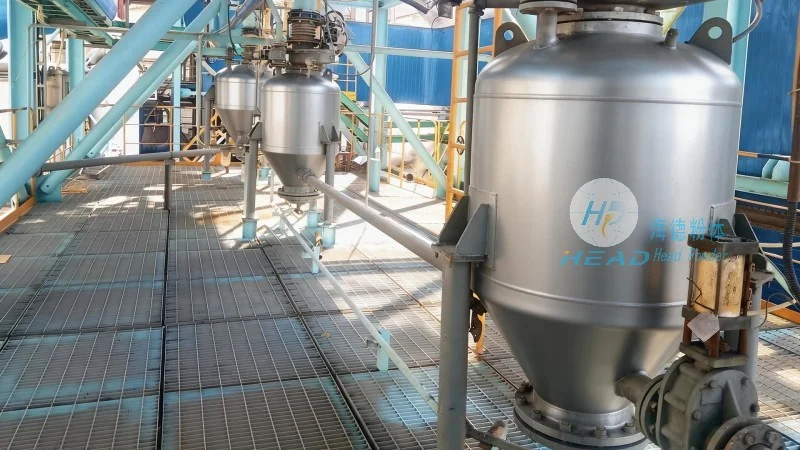
Overview of Desulfurizer Delivery Systems
Desulfurizer delivery systems are designed to transport reagents such as lime, limestone, or other alkaline materials to the desulfurization reactor. The primary goal is to ensure consistent and efficient reagent addition, which directly affects the performance of the flue gas desulfurization (FGD) system. Various methods have been developed to meet these requirements, each with distinct characteristics and suitability for different plant configurations.
Common Desulfurizer Delivery Methods
Several delivery methods are widely used in industrial settings. The most common include pneumatic conveying, hydraulic systems, and mechanical conveying. Each method has its own set of advantages and limitations, which are discussed below.
Pneumatic Conveying Systems
Pneumatic conveying uses compressed air or other gases to transport desulfurizer materials. This method is particularly effective for fine powders and can achieve high transport rates over long distances. There are two main types: dilute-phase and dense-phase pneumatic conveying. Dilute-phase systems are suitable for short to medium distances and low to medium particle sizes, while dense-phase systems are better for longer distances and larger particles, offering better control and reduced dust generation.
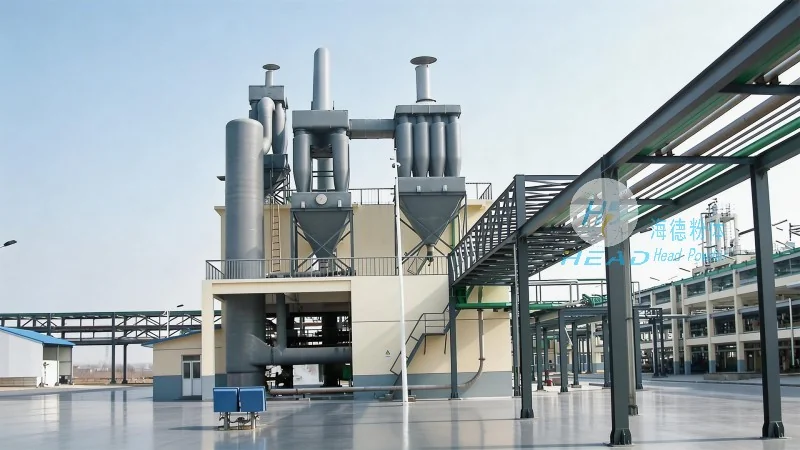
Advantages of pneumatic conveying include high flexibility, the ability to handle a wide range of materials, and minimal equipment wear compared to mechanical systems. However, it requires significant energy input for air compression and may not be suitable for very fine or moisture-sensitive powders. Additionally, the system must be well-sealed to prevent dust emissions and maintain air quality.
Hydraulic Conveying Systems
Hydraulic conveying uses water or other liquids to transport desulfurizer slurries. This method is commonly used for limestone or lime slurries, which are typically more viscous and require a liquid medium for transport. Hydraulic systems are generally more cost-effective for transporting slurries over moderate distances and can handle larger volumes with lower energy consumption compared to pneumatic systems.
The primary advantage of hydraulic conveying is its ability to transport slurries with high solids content without the need for additional equipment like pumps or compressors. However, it may require more maintenance due to the presence of water and potential for corrosion. The system also needs to manage water usage and disposal, which can impact operational costs and environmental compliance.
Mechanical Conveying Systems
Mechanical conveying systems utilize mechanical components such as screw conveyors, belt conveyors, or bucket elevators to transport desulfurizer materials. These systems are typically used for bulk materials and can handle a wide range of particle sizes and moisture contents. Mechanical conveyors are generally more reliable and less energy-intensive than pneumatic systems for short to medium distances.
Advantages of mechanical conveying include low operating costs, minimal maintenance requirements, and the ability to handle abrasive materials without significant wear. However, they have limitations in terms of distance and material flexibility. For example, screw conveyors are suitable for horizontal or slight incline transport but may not be effective for vertical lifts or long horizontal runs. Belt conveyors are better for long horizontal distances but require more space and may be prone to material spillage.
Factors Influencing Delivery Method Selection
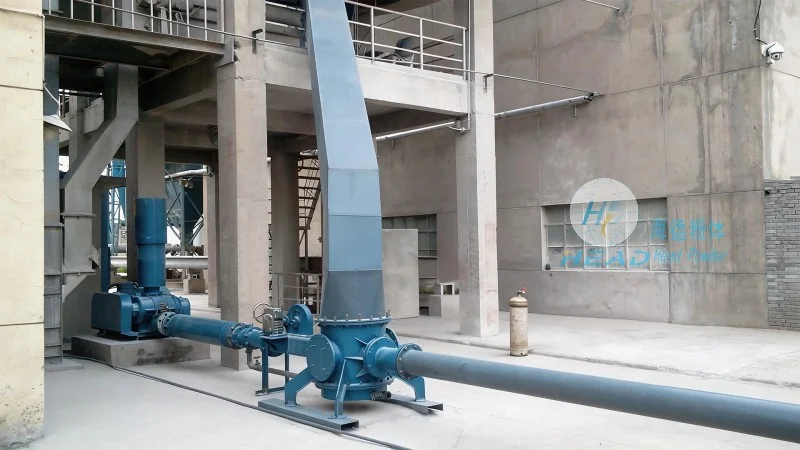
The choice of desulfurizer delivery method depends on several factors, including the plant's location, material properties, distance to be covered, and operational requirements. Key considerations include:
Material Characteristics: The particle size, density, and moisture content of the desulfurizer significantly affect the choice of system. For example, fine powders may require pneumatic or hydraulic systems, while bulk materials are better suited for mechanical conveyors.
Transport Distance: Short distances may allow for mechanical or hydraulic systems, while long distances often necessitate pneumatic systems due to their ability to cover greater distances efficiently.
Energy Availability and Costs: Pneumatic systems require compressed air, which can be costly to generate and maintain. Hydraulic systems use water, which may be more readily available but requires management of water usage and disposal. Mechanical systems generally have lower energy costs but may require more space and maintenance.
Environmental and Safety Requirements: The system must comply with local regulations regarding dust emissions, noise levels, and material handling. Pneumatic systems may need additional filtration and sealing to meet environmental standards, while hydraulic systems must manage water discharge and potential for leaks.
Conclusion
Choosing the appropriate desulfurizer delivery method is crucial for the efficient operation of flue gas desulfurization systems. Each method has its strengths and limitations, and the selection should be based on a thorough analysis of material properties, transport requirements, and operational constraints. By understanding the characteristics of pneumatic, hydraulic, and mechanical conveying systems, plant operators can optimize their desulfurizer delivery processes, ensuring consistent performance, cost-effectiveness, and compliance with environmental regulations.

 Công ty TNHH Kỹ thuật Công trình Bột Hải Đức Sơn Đông
 156-6277-7102(Quản lý Trương)
  0531-83386006
  Quận Chương Khâu, Thành phố Tế Nam, Tỉnh Sơn Đông, Trung Quốc
Điện thoại
WeChatTư vấn
Lên đầu