Công ty Hải Đức Bột với hơn 10 năm kinh nghiệm vận chuyển khí, cung cấp hệ thống‑thiết bị‑quạt gió và nhận dự án tổng thầu bột cả nước
When it comes to managing silage, the choice of transport method plays a crucial role in efficiency, cost-effectiveness, and the overall quality of the feed. Silage is a fermented forage that serves as a vital feed source for livestock, and the way it is transported from storage to feeding areas can significantly impact operational performance. This article provides a detailed comparison of common silage transport methods, highlighting their features, advantages, and suitable applications. The information is presented by Shandong HeadPowder Engineering Co., Ltd., a leading provider of agricultural machinery solutions in China.
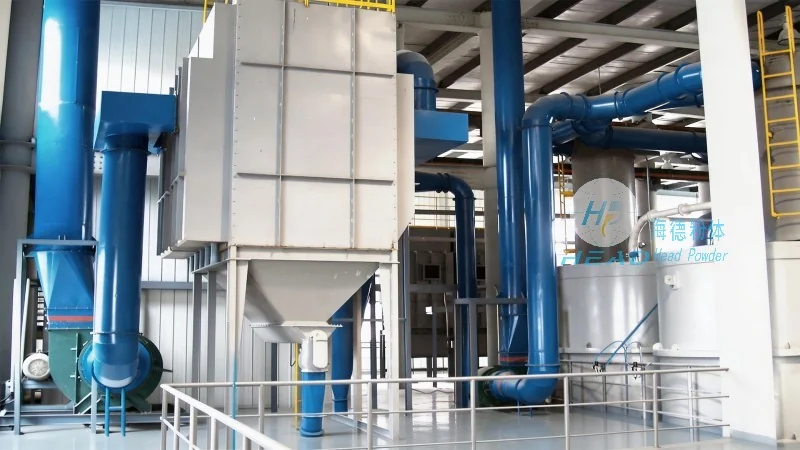
Introduction to Silage Transport
Silage transport involves moving freshly harvested forage, typically grass or corn, through a fermentation process and then delivering it to feeding areas. The goal is to minimize spoilage, preserve nutrients, and ensure easy access for livestock. Various transport methods have been developed to address these needs, each with distinct characteristics that make them suitable for different farm sizes, types of forage, and operational requirements.
1. Belt Conveyor for Silage Transport
A belt conveyor is one of the most widely used methods for silage transport. It consists of a continuous loop of a flexible belt that moves over rollers or pulleys. This system is particularly effective for horizontal and slight incline transport of silage. The key advantages of belt conveyors include high capacity, low maintenance, and the ability to handle a wide range of materials, including wet and fibrous silage. They are often used in large-scale operations where consistent and high-volume transport is required. Belt conveyors can be customized with different belt materials to withstand the abrasive nature of silage, ensuring durability and longevity. For instance, HeadPowder Engineering offers specialized belt conveyors designed to handle the unique challenges of silage, such as moisture content and potential contamination.
2. Screw Conveyor (Auger) for Silage Transport
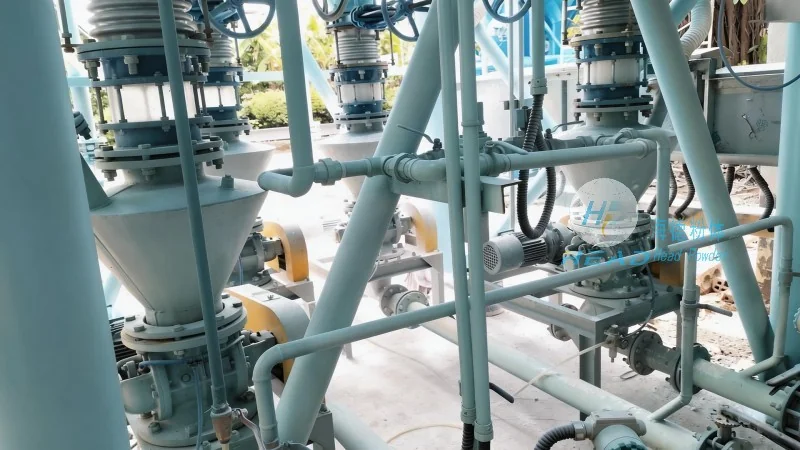
Screw conveyors, also known as augers, are another popular option for silage transport. These systems use a rotating helical screw to move material along a tube or trough. Screw conveyors are highly effective for vertical and inclined transport, making them ideal for moving silage from lower storage areas to higher feeding levels. They are particularly suitable for smaller farms or operations with limited vertical space. The main benefits of screw conveyors include compact design, low power consumption, and the ability to transport silage in a controlled manner, reducing spillage and waste. However, they may not be as efficient for very wet or sticky silage, as the screw can become clogged. HeadPowder Engineering’s screw conveyors are engineered to handle different types of silage, with adjustable screw speeds and materials to optimize performance.
3. Scraper Conveyor for Silage Transport
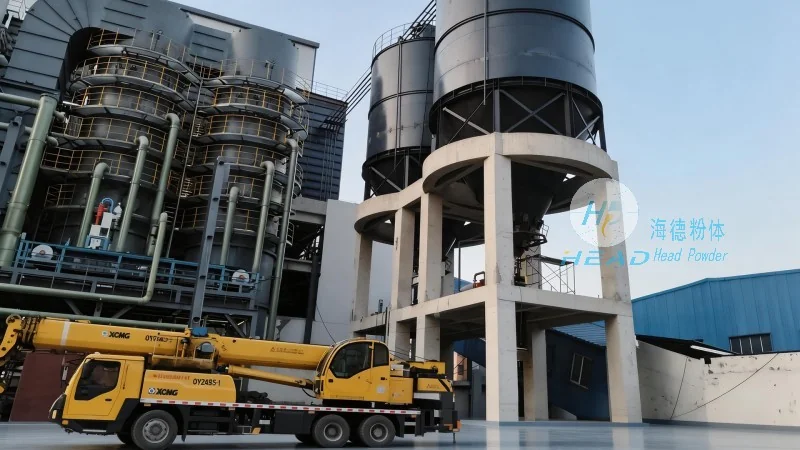
Scraper conveyors, or chain conveyors, are a robust solution for transporting silage, especially in challenging conditions. These systems use a chain with attached scrapers that move along a trough. They are highly effective for handling wet, sticky, or high-moisture silage, as the scrapers can push material forward even when it is difficult to move. Scraper conveyors are commonly used in large-scale dairy and livestock operations where consistent, high-volume transport is essential. The advantages include high load capacity, durability, and the ability to operate in harsh environments. However, they require more maintenance compared to other systems due to the moving parts and potential wear from abrasive silage. HeadPowder Engineering provides scraper conveyors with heavy-duty chains and scrapers, designed to withstand the rigors of silage transport.
4. Pneumatic Conveyor for Silage Transport
Pneumatic conveyors use air pressure to transport silage through a pipeline. This method is particularly useful for moving silage over long distances or through complex layouts, such as from a silo to multiple feeding points. Pneumatic conveyors are ideal for handling fine or dry silage, as the air flow can effectively move the material without causing damage. The main benefits include flexibility in layout, low noise operation, and the ability to transport silage in a dust-free environment. However, they require higher energy consumption and may not be suitable for very wet or heavy silage, as the air pressure may not be sufficient to move the material. HeadPowder Engineering’s pneumatic conveyors are designed with efficient air systems and durable pipelines to ensure reliable silage transport.
5. Comparison and Selection Criteria
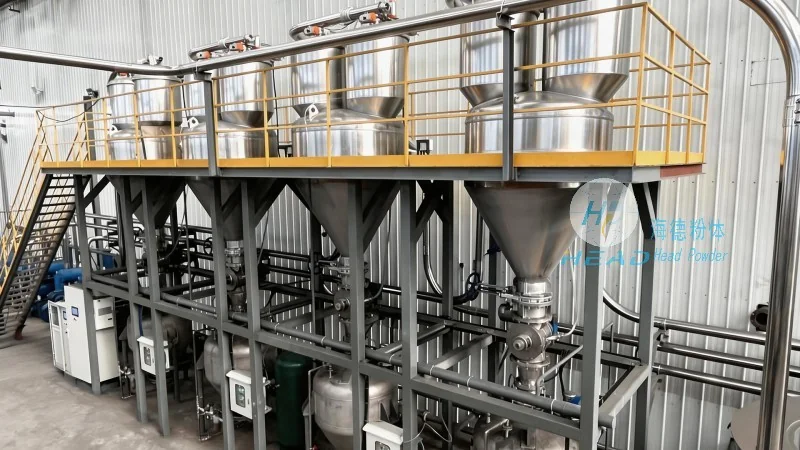
When choosing a silage transport method, several factors should be considered to ensure the best fit for a specific operation. These include the volume of silage to be transported, the distance and elevation changes, the type of forage (e.g., grass vs. corn), and the available space on the farm. Belt conveyors are generally preferred for large-scale horizontal transport due to their high capacity and efficiency. Screw conveyors are suitable for vertical or inclined transport in smaller operations. Scraper conveyors excel in handling wet or sticky silage, making them ideal for challenging conditions. Pneumatic conveyors offer flexibility for long-distance or complex layouts. Ultimately, the choice depends on balancing operational needs with cost and maintenance requirements.
Conclusion
Effective silage transport is essential for optimizing feed management and ensuring the health of livestock. The methods discussed—belt conveyors, screw conveyors, scraper conveyors, and pneumatic conveyors—each offer unique advantages and are suitable for different scenarios. By understanding the characteristics of each system, farmers and agricultural operations can make informed decisions that enhance efficiency, reduce waste, and improve overall productivity. Shandong HeadPowder Engineering Co., Ltd. provides a range of silage transport solutions tailored to meet the diverse needs of agricultural businesses, ensuring reliable and efficient feed management.

 Công ty TNHH Kỹ thuật Công trình Bột Hải Đức Sơn Đông
 156-6277-7102(Quản lý Trương)
  0531-83386006
  Quận Chương Khâu, Thành phố Tế Nam, Tỉnh Sơn Đông, Trung Quốc
Điện thoại
WeChatTư vấn
Lên đầu