Công ty Hải Đức Bột với hơn 10 năm kinh nghiệm vận chuyển khí, cung cấp hệ thống‑thiết bị‑quạt gió và nhận dự án tổng thầu bột cả nước
When it comes to efficiently transporting chili powder in industrial settings, selecting the right conveying method is crucial for maintaining product quality, ensuring operational efficiency, and minimizing downtime. Chili powder, with its fine particles and potential for caking or sticking, requires specialized equipment to handle its unique characteristics. This article provides a detailed comparison of common chili powder conveying methods, highlighting their working principles, advantages, disadvantages, and ideal applications. The information is based on industry standards and practical experience from Shandong HeadPowder Engineering Co., Ltd., a leading manufacturer based in China.
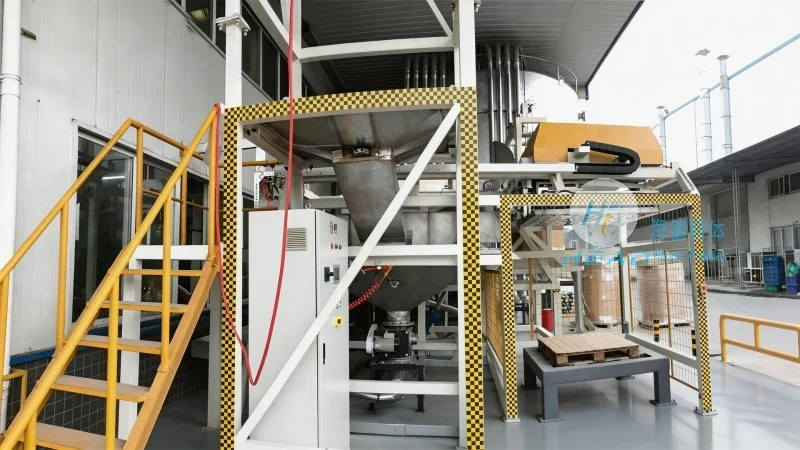
1. Screw Conveyor (Auger Conveyor)
A screw conveyor, also known as an auger conveyor, is a type of mechanical conveyor that uses a rotating helical screw to move material along a trough or tube. For chili powder, this method is particularly effective due to its ability to handle dry, free-flowing powders without the need for additional air or power sources beyond the motor driving the screw. The screw rotates within a closed or semi-closed housing, pushing the powder forward through the system. One of the key advantages of screw conveyors is their simplicity and low maintenance requirements. They are relatively inexpensive to install and operate, making them a cost-effective solution for many small to medium-sized operations. However, screw conveyors have limitations when dealing with very fine or cohesive powders like chili powder, as the screw can cause friction and heat buildup, potentially affecting the product's quality. They are best suited for horizontal or slightly inclined applications where the material is free-flowing and not prone to caking.
2. Pneumatic Conveying System
Pneumatic conveying, or air-based conveying, uses compressed air to transport chili powder in a pipeline. This method is highly effective for moving powders over long distances and through complex layouts, as it can handle both horizontal and vertical transport with ease. There are two main types of pneumatic conveying: pressure and vacuum systems. Pressure systems use high-pressure air to push the powder through the pipeline, while vacuum systems use a vacuum to pull the powder into the system. For chili powder, pressure systems are often preferred because they can handle larger quantities and are less susceptible to blockages caused by fine particles. The primary advantage of pneumatic conveying is its ability to maintain product integrity by minimizing contact with external surfaces and reducing the risk of contamination. It also allows for the integration of dust collection and filtration systems, which is essential for handling powders that can create airborne dust. However, pneumatic systems require more energy compared to mechanical conveyors and can be more complex to install and maintain. They are also less suitable for very fine or highly cohesive powders that may cause blockages or require additional conditioning before transport.
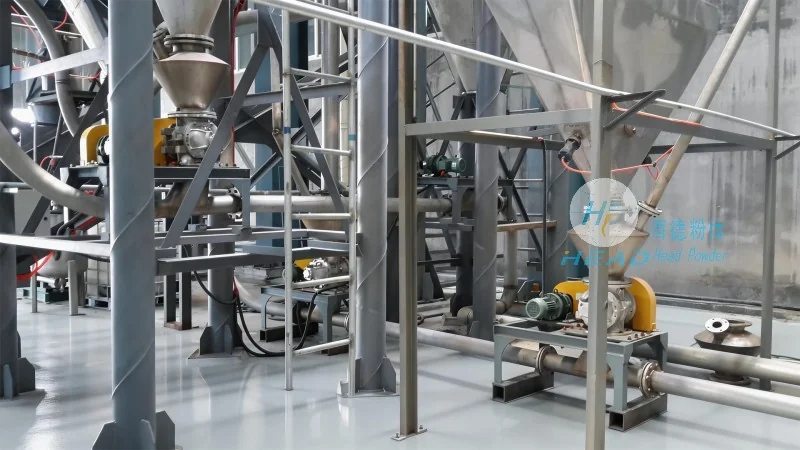
3. Vibrating Conveyor
A vibrating conveyor uses an oscillating motion to move chili powder along a trough. The conveyor consists of a flat or slightly inclined surface that is vibrated at a specific frequency and amplitude. This vibration helps to break up clumps and move the powder forward by creating a fluidized or semi-fluidized state. Vibrating conveyors are particularly effective for handling sticky or cohesive materials like chili powder, as the vibration prevents the powder from sticking to the conveyor surface. They are also capable of handling a wide range of particle sizes and can be used for both horizontal and vertical transport. One of the main advantages of vibrating conveyors is their gentle handling of the product, which helps to preserve its quality and prevent degradation. They are also relatively low maintenance, as they have fewer moving parts compared to screw or pneumatic systems. However, vibrating conveyors may not be as efficient for very fine powders, as the vibration can cause excessive dust generation and require additional dust control measures. They are best suited for applications where the material is moderately cohesive and where a gentle handling method is required.
4. Bucket Elevator
A bucket elevator, also known as a vertical conveyor, is a type of mechanical conveyor that uses buckets attached to a chain or belt to lift and transport chili powder vertically. The buckets are filled at the bottom of the elevator and then travel up the structure, emptying at the top. This method is ideal for vertical transport of powders, allowing for the efficient movement of material from lower to higher levels without the need for horizontal space. Bucket elevators are highly effective for handling dry, free-flowing powders and can handle large quantities with minimal power consumption. They are also relatively simple to operate and maintain, with few moving parts that are easy to inspect and replace. However, bucket elevators have limitations when dealing with very fine or abrasive powders, as the buckets can wear out quickly and cause product contamination. They are also not suitable for materials that are prone to caking or sticking, as the buckets may not be able to effectively empty the material. Bucket elevators are best suited for applications where vertical transport is necessary, such as in processing plants where the material needs to be moved from a silo or storage bin to a processing line.
5. Belt Conveyor
A belt conveyor uses a continuous belt to transport chili powder horizontally or at a slight incline. The belt is supported by rollers and moves over a frame, with the material placed on top of the belt and carried along. This method is widely used in various industries for transporting bulk materials, including powders. For chili powder, belt conveyors are effective for moving large quantities of material over long distances with consistent speed and efficiency. They are relatively simple to install and operate, with low maintenance requirements. Belt conveyors can handle a wide range of particle sizes and are capable of transporting both dry and slightly wet powders. One of the main advantages of belt conveyors is their ability to handle high volumes of material, making them suitable for large-scale operations. However, belt conveyors may not be as effective for very fine powders, as the material can slip or fall off the belt if the angle of inclination is too steep. They are also less suitable for materials that are prone to caking or sticking, as the belt may not be able to effectively move the material without additional conditioning. Belt conveyors are best suited for horizontal transport of free-flowing powders in applications where a continuous and reliable flow is required.
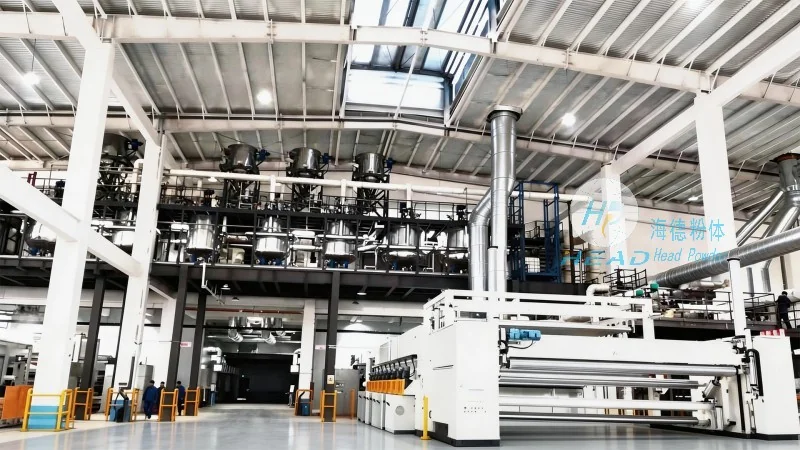
6. Comparison and Selection Criteria
When selecting a conveying method for chili powder, several factors must be considered to ensure the best fit for the application. The primary factors include the material characteristics (such as particle size, moisture content, and cohesiveness), the required transport distance and layout, the desired product quality, and the operational budget. For example, if the chili powder is very fine and prone to caking, a pneumatic conveying system or a vibrating conveyor may be more suitable than a screw or belt conveyor. If the transport distance is long and the layout is complex, a pneumatic system or a bucket elevator may be preferred. The choice of conveying method also impacts the overall cost of ownership, including installation, energy consumption, and maintenance. Shandong HeadPowder Engineering Co., Ltd. offers a range of conveying solutions tailored to these factors, ensuring that clients can select the most appropriate system for their specific needs.
Conclusion
Efficient chili powder conveying is essential for maintaining product quality and operational efficiency in industrial settings. The comparison of common conveying methods—screw conveyor, pneumatic system, vibrating conveyor, bucket elevator, and belt conveyor—highlights the unique advantages and limitations of each approach. By understanding the characteristics of chili powder and the requirements of the application, manufacturers can select the most suitable conveying method to ensure smooth and reliable operation. Shandong HeadPowder Engineering Co., Ltd., with its expertise in conveying systems, provides comprehensive solutions that meet the diverse needs of the industry, helping clients achieve optimal performance and product integrity.

 Công ty TNHH Kỹ thuật Công trình Bột Hải Đức Sơn Đông
 156-6277-7102(Quản lý Trương)
  0531-83386006
  Quận Chương Khâu, Thành phố Tế Nam, Tỉnh Sơn Đông, Trung Quốc
Điện thoại
WeChatTư vấn
Lên đầu