Công ty Hải Đức Bột với hơn 10 năm kinh nghiệm vận chuyển khí, cung cấp hệ thống‑thiết bị‑quạt gió và nhận dự án tổng thầu bột cả nước
When it comes to the efficient handling and transportation of cocoa beans and related products, selecting the right conveyance method is crucial for maintaining product quality and operational efficiency. As a leading provider in the industry, Shandong HeadPowder Engineering Co., Ltd. specializes in designing and manufacturing tailored solutions for cocoa processing facilities. Based in Shandong, China, the company leverages years of expertise to deliver reliable equipment that meets the unique demands of cocoa handling operations.
Understanding the Importance of Proper Cocoa Conveyance
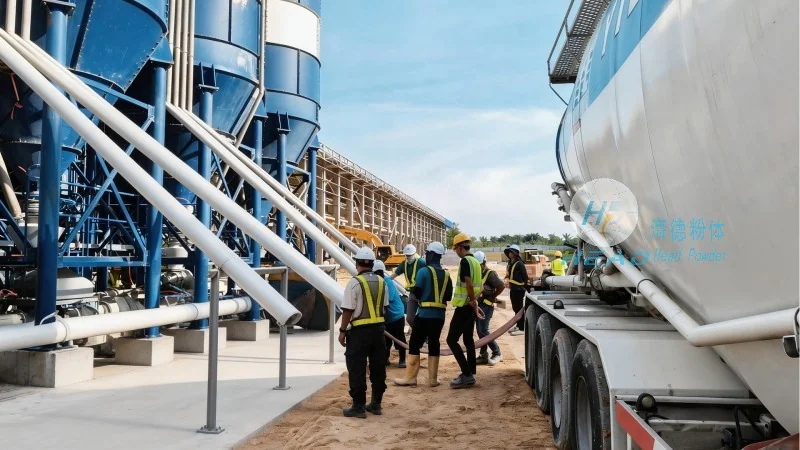
Effective cocoa conveyance is essential in preventing damage to the product, ensuring consistent flow rates, and minimizing operational downtime. Different processing stages, such as raw bean reception, cleaning, roasting, and packaging, require specialized equipment to handle the unique characteristics of cocoa. The choice of conveyance method depends on factors like the type of cocoa (e.g., whole beans, nibs, or powder), the scale of the operation, and the specific requirements of the processing line. By selecting an appropriate system, manufacturers can enhance productivity while preserving the quality and integrity of their cocoa products.
Common Methods for Cocoa Conveyance
There are several common methods used in the cocoa industry for transporting cocoa beans and derivatives. Each method has its own advantages and is suitable for different applications. The primary methods include belt conveyors, screw conveyors, and pneumatic (air) conveyors. These systems are designed to handle the unique challenges of cocoa, such as its moisture content, density, and susceptibility to breakage during transport.
Belt Conveyors for Cocoa Handling
Belt conveyors are one of the most widely used methods for cocoa conveyance due to their versatility and efficiency. These systems consist of a continuous belt that moves over rollers or pulleys, transporting cocoa beans or other materials from one point to another. For cocoa processing, belt conveyors are particularly effective for handling whole beans, as they can transport large quantities with minimal product damage. The design of the belt, often made from food-grade materials like rubber or plastic, ensures that the cocoa remains clean and free from contamination. Additionally, belt conveyors can be customized with features like inclines or declines to accommodate different levels in the processing facility. This flexibility makes them suitable for various stages of cocoa production, from raw bean reception to the final packaging line.
Screw Conveyors for Bulk Cocoa Transport
Screw conveyors, also known as auger conveyors, are another common method for cocoa conveyance, especially for bulk materials like cocoa nibs or ground cocoa. These systems use a rotating screw or auger to move materials along a trough. The screw's rotation creates a pushing action that propels the cocoa forward, making it ideal for vertical or horizontal transport. Screw conveyors are particularly effective for handling dry, free-flowing materials and can be easily integrated into existing processing lines. They are also compact and require less floor space compared to other conveyance systems, making them a popular choice for facilities with limited space. However, it is important to note that screw conveyors may not be suitable for very wet or sticky cocoa products, as this can cause the screw to become clogged and reduce efficiency.
Pneumatic Conveyors for Cocoa Processing
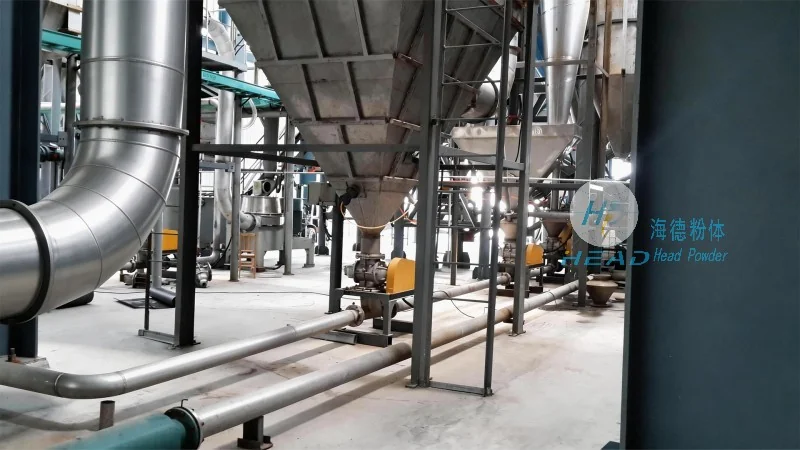
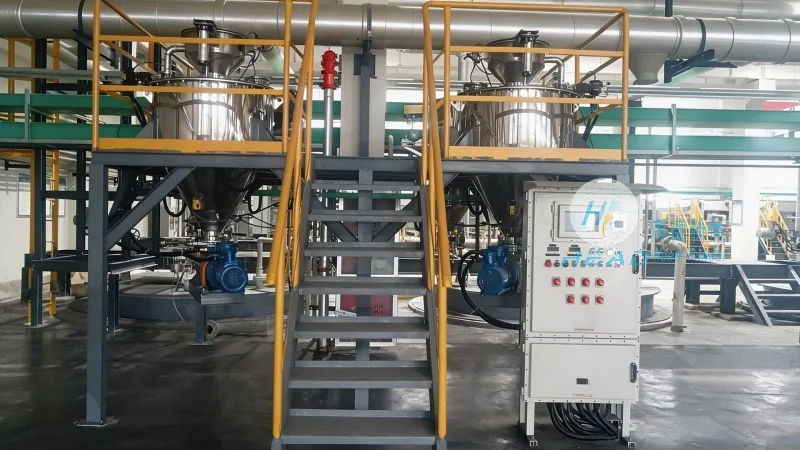
Pneumatic conveyors, or air conveyors, use compressed air to transport cocoa beans or other materials through a system of pipes. This method is particularly useful for handling fine cocoa powders or dust, as it can move these materials without the need for mechanical contact. The system typically consists of a hopper, a venturi, and a filter, which work together to create a vacuum or pressure that pulls the cocoa through the pipes. Pneumatic conveyors are highly effective for transporting cocoa from one processing stage to another, such as from the roasting machine to the grinding mill. They are also gentle on the product, minimizing the risk of breakage or damage. However, the initial investment for pneumatic systems can be higher than for other conveyance methods, and they require regular maintenance to ensure proper air flow and prevent clogging.
Customizing Conveyance Solutions for Cocoa Operations
At Shandong HeadPowder Engineering Co., Ltd., we understand that each cocoa processing facility has unique requirements. Therefore, we offer customized conveyance solutions tailored to the specific needs of our clients. Our team of engineers works closely with customers to assess their operational needs, product characteristics, and space constraints to design the most efficient system. Whether it's a belt conveyor for whole bean transport, a screw conveyor for nibs, or a pneumatic system for powders, we can provide a solution that meets the exact specifications of the facility. Our commitment to quality and reliability ensures that our conveyance systems not only improve operational efficiency but also contribute to the overall success of the cocoa processing operation.

 Công ty TNHH Kỹ thuật Công trình Bột Hải Đức Sơn Đông
 156-6277-7102(Quản lý Trương)
  0531-83386006
  Quận Chương Khâu, Thành phố Tế Nam, Tỉnh Sơn Đông, Trung Quốc
Điện thoại
WeChatTư vấn
Lên đầu