Công ty Hải Đức Bột với hơn 10 năm kinh nghiệm vận chuyển khí, cung cấp hệ thống‑thiết bị‑quạt gió và nhận dự án tổng thầu bột cả nước
When it comes to handling ash from industrial processes, selecting the right conveying method is crucial for efficiency, safety, and environmental compliance. Ash, often generated from combustion in power plants or other industrial facilities, needs to be transported from its source to disposal or treatment sites. Various methods exist, each with its own advantages and applications. This article explores common ash conveying methods, with a focus on pneumatic conveying systems, which have become increasingly popular due to their effectiveness and adaptability.
Overview of Ash Conveying Methods
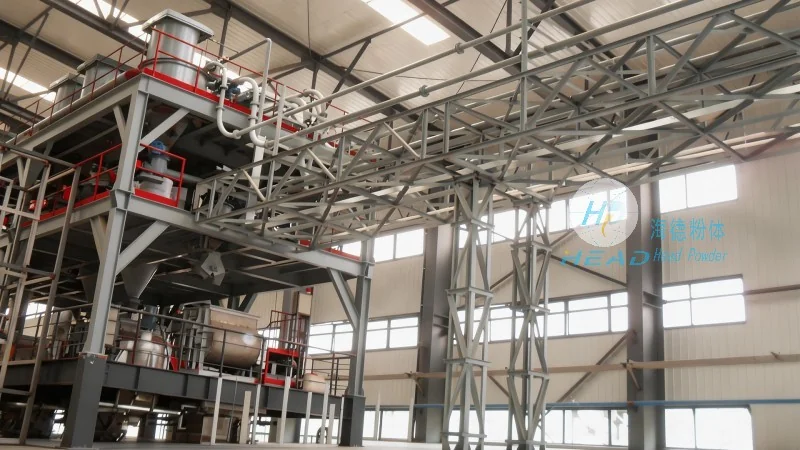
Ash conveying is a critical step in managing industrial waste. The primary goal is to transport ash from the point of generation to the disposal or processing location with minimal disruption to operations. Traditional methods include mechanical systems like screw conveyors, belt conveyors, and bucket elevators. However, these systems may face challenges with abrasive or sticky ash materials, leading to increased wear and maintenance costs. In contrast, pneumatic conveying systems offer a more flexible and efficient solution, especially for fine or powdery ash.
Pneumatic Conveying Systems: The Preferred Choice for Modern Ash Handling
Pneumatic conveying, also known as air-pneumatic transport, uses air pressure or vacuum to move material through a pipeline. This method is particularly suitable for ash due to its ability to handle fine particles and minimize dust emissions. There are two main types of pneumatic conveying systems: pressure and vacuum. Pressure systems use compressed air to push material through the pipeline, while vacuum systems use a vacuum to draw material into the system. Both types can be adapted for ash handling, with pressure systems often preferred for longer distances and higher material loads.
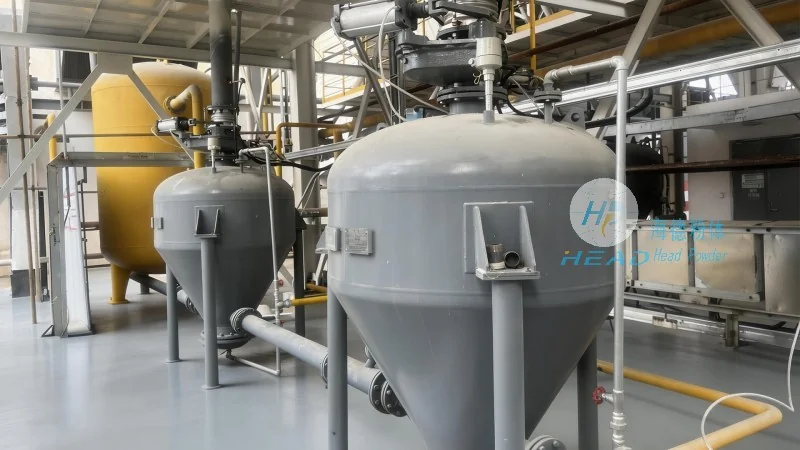
One of the key advantages of pneumatic conveying for ash is its ability to handle abrasive materials without significant wear on the system components. The smooth interior of the pipeline and the use of specialized materials, such as stainless steel or polyethylene, help reduce friction and extend the lifespan of the equipment. Additionally, pneumatic systems can be designed to operate in a closed loop, which helps control dust and improve safety in the workplace.
Components of an Ash Pneumatic Conveying System
An effective ash pneumatic conveying system consists of several key components. The primary components include a hopper or feeder to store and feed the ash, a conveyor line (pipeline) to transport the material, and a receiver or silo to deposit the ash at the destination. The system may also include a blower or compressor to generate the necessary air pressure, a filter to remove dust from the exhaust air, and a control system to regulate the flow of material and air.
The hopper is typically designed to accommodate the volume of ash generated and to provide a consistent feed rate to the conveyor line. It may include a rotary valve or a screw feeder to ensure a steady flow of material. The conveyor line is usually made of durable materials to withstand the abrasive nature of ash and to maintain the integrity of the material during transport. The receiver or silo is designed to safely store the ash and may include a discharge valve or a conveyor to move the material to the next stage of processing.
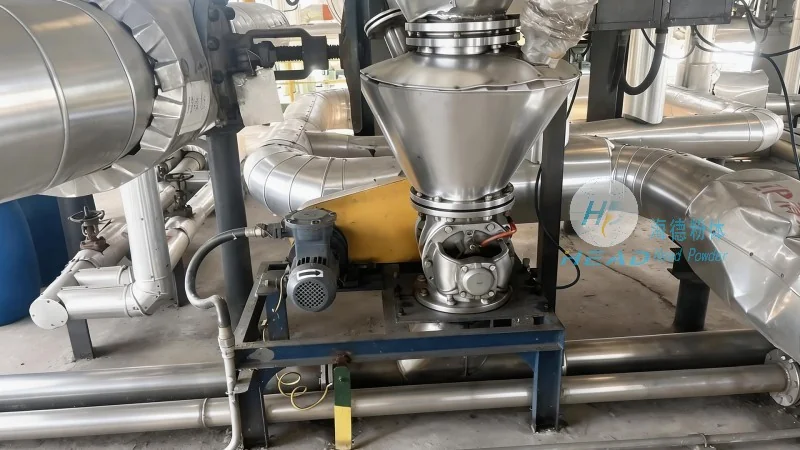
Advantages of Pneumatic Conveying for Ash Handling
Pneumatic conveying offers several advantages over traditional mechanical systems. First, it provides a more flexible and adaptable solution, as the system can be easily reconfigured to accommodate changes in ash volume or processing requirements. Second, it reduces labor costs by automating the transport process, minimizing the need for manual handling of ash. Third, it improves safety by eliminating the need for workers to handle or transport ash manually, reducing the risk of exposure to dust and other hazards. Fourth, it enhances environmental performance by controlling dust emissions and reducing the amount of airborne particles.
Another advantage of pneumatic conveying is its ability to handle a wide range of ash types and particle sizes. Whether the ash is fine, coarse, or mixed with other materials, a properly designed pneumatic system can effectively transport it. This versatility makes pneumatic conveying a suitable solution for various industrial applications, from power plants to cement factories.
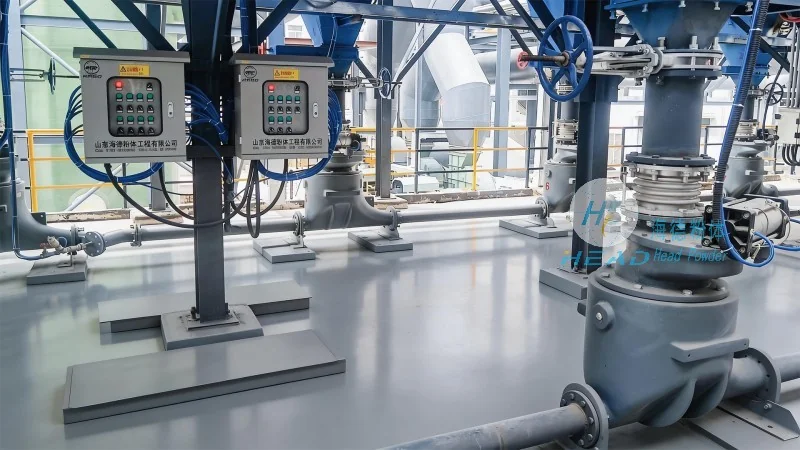
Applications of Ash Pneumatic Conveying
Ash pneumatic conveying systems are widely used in various industries. In power plants, these systems are used to transport fly ash from the boiler to the storage silos or to the disposal site. In cement factories, ash is often used as a raw material or as a supplementary cementitious material, and pneumatic conveying is used to transport it from the storage area to the production line. In other industrial facilities, such as steel mills or chemical plants, ash is generated as a byproduct and needs to be transported to disposal or treatment facilities.
The use of pneumatic conveying in these applications has led to improved efficiency and reduced costs. By automating the transport process, companies can reduce downtime and increase production capacity. Additionally, the ability to control dust emissions has helped companies meet environmental regulations and improve their environmental performance.
Conclusion
Choosing the right ash conveying method is essential for the efficient and safe management of industrial ash. While traditional mechanical systems have been used for decades, pneumatic conveying systems have become the preferred choice due to their effectiveness, flexibility, and environmental benefits. Companies like Shandong HeadPowder Engineering Co., Ltd., a leading provider of ash handling solutions, offer advanced pneumatic conveying systems that are designed to meet the specific needs of industrial clients. With their expertise and experience, these systems help companies improve their operational efficiency, reduce costs, and enhance their environmental performance.

 Công ty TNHH Kỹ thuật Công trình Bột Hải Đức Sơn Đông
 156-6277-7102(Quản lý Trương)
  0531-83386006
  Quận Chương Khâu, Thành phố Tế Nam, Tỉnh Sơn Đông, Trung Quốc
Điện thoại
WeChatTư vấn
Lên đầu