Công ty Hải Đức Bột với hơn 10 năm kinh nghiệm vận chuyển khí, cung cấp hệ thống‑thiết bị‑quạt gió và nhận dự án tổng thầu bột cả nước
Carbon black and coal powder are critical raw materials in various industrial applications, including rubber, plastics, and energy production. Efficient and reliable material handling is essential to ensure consistent quality and operational efficiency. This article provides a detailed comparison of common conveying methods used for carbon black and coal powder, highlighting the advantages and considerations for each approach.
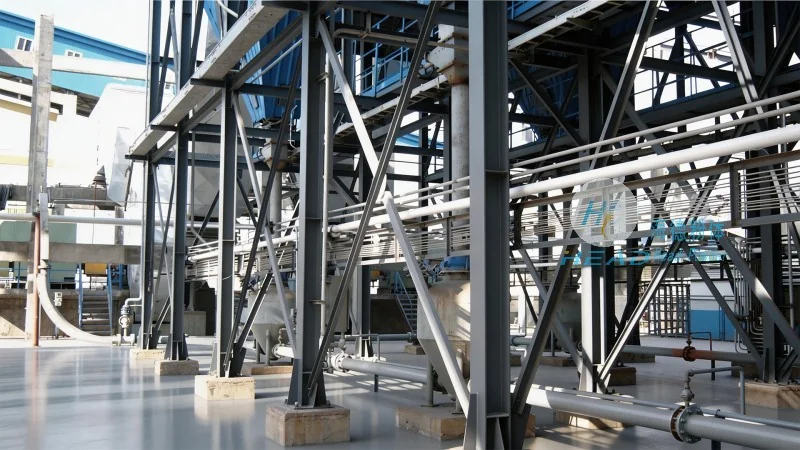
About HeadPowder: Your Trusted Partner in Material Handling Solutions
Shandong HeadPowder Engineering Co., Ltd., operating under the brand name HeadPowder, specializes in providing advanced material handling systems tailored to the unique needs of carbon black and coal powder industries. With a focus on innovation and customer satisfaction, HeadPowder delivers high-performance conveying solutions that enhance productivity and safety in industrial operations. Located in Shandong, China, the company leverages local expertise and global standards to meet the demands of clients worldwide.
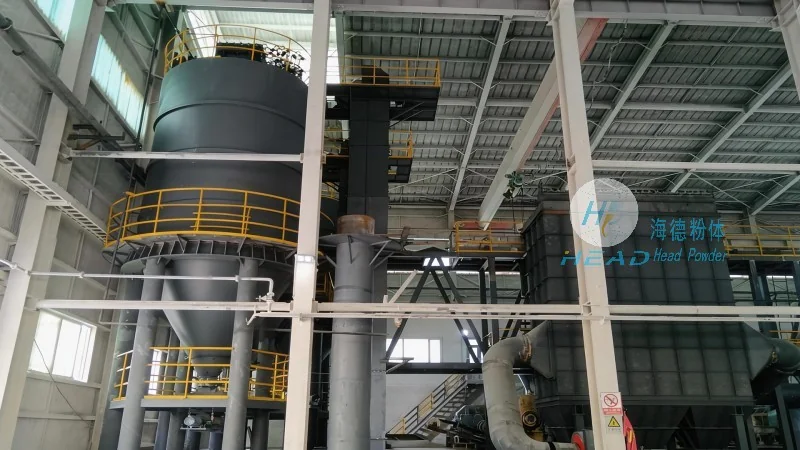
1. Pneumatic Conveying Systems: The Preferred Choice for Fine Powders
Pneumatic conveying, also known as air conveying, is widely regarded as the most effective method for transporting carbon black and coal powder due to its ability to handle fine, abrasive particles. This technology uses compressed air to move materials through a network of pipes, ensuring minimal product degradation and contamination. There are two primary types of pneumatic conveying: dilute-phase and dense-phase. Dilute-phase systems are suitable for short distances and low to medium material flow rates, while dense-phase systems are ideal for longer distances and higher flow rates, offering better control and reduced product loss. HeadPowder offers customized pneumatic conveying solutions that optimize air pressure, pipe design, and material handling to meet specific operational requirements.
2. Screw Conveyors: Versatile and Reliable for Bulk Material Transport
Screw conveyors, or auger conveyors, are another common method for carbon black and coal powder transport. These systems consist of a rotating screw (auger) inside a cylindrical housing, which moves materials forward through the pipe. Screw conveyors are particularly effective for handling dry, free-flowing powders and can operate in both horizontal and inclined orientations. They are known for their simplicity, low maintenance, and ability to handle a wide range of particle sizes. However, screw conveyors may experience issues with product degradation due to friction and may not be suitable for highly abrasive or sticky materials. HeadPowder’s screw conveyor designs incorporate durable materials and efficient sealing mechanisms to minimize wear and ensure consistent performance.
3. Belt Conveyors: High-Capacity Solutions for Bulk Handling
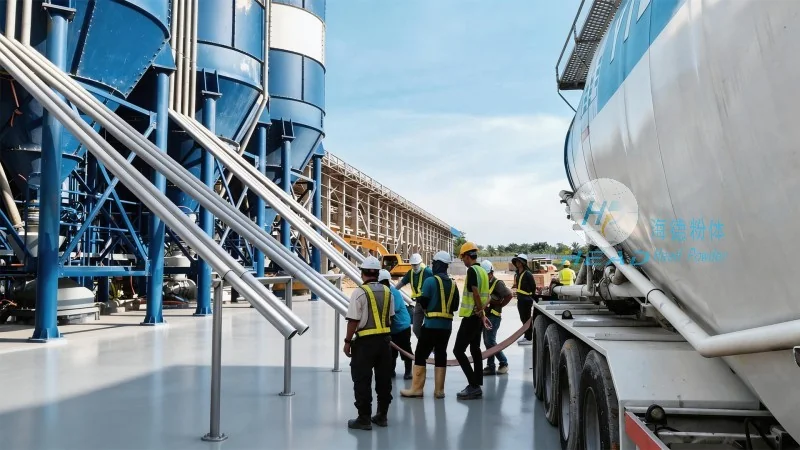
Belt conveyors are widely used in the carbon black and coal powder industries for their high capacity and ability to transport materials over long distances. These systems consist of a continuous belt that moves materials from one point to another, supported by rollers or idlers. Belt conveyors are particularly effective for handling large volumes of bulk materials and can be customized with different belt types (e.g., rubber, PVC) to suit specific material characteristics. They are commonly used in mining, power generation, and manufacturing facilities for raw material transport and product distribution. HeadPowder provides belt conveyor systems with advanced control features, such as variable speed drives and load sensors, to optimize material flow and reduce downtime.
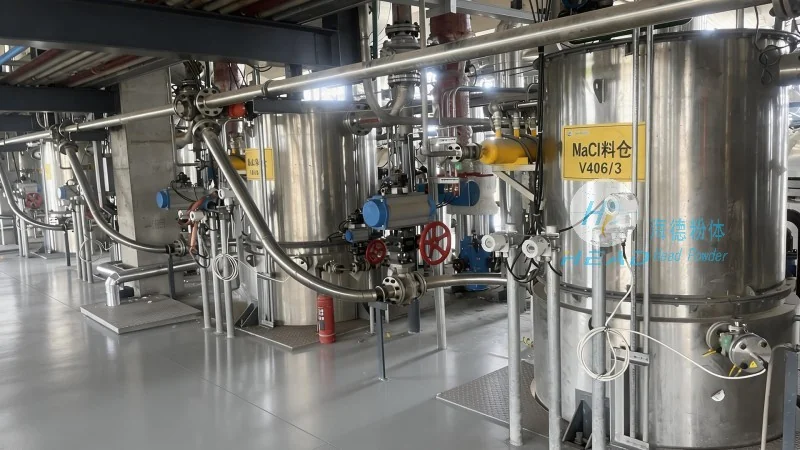
Key Factors to Consider When Choosing a Conveying Method
The selection of an appropriate conveying method for carbon black and coal powder depends on several factors, including material properties, distance, flow rate, and operational environment. Material properties, such as particle size, density, and moisture content, significantly influence the choice of system. For example, fine and abrasive powders are better suited for pneumatic conveying, while larger, bulkier materials may benefit from belt or screw conveyors. Distance and flow rate are also critical considerations. Short distances and low flow rates may be efficiently handled by screw conveyors, while long distances and high flow rates require more robust systems like pneumatic or belt conveyors. Additionally, operational factors, such as space constraints, maintenance requirements, and safety regulations, must be evaluated when selecting a conveying method. HeadPowder’s expertise in material handling allows clients to assess these factors and choose the most suitable conveying solution for their specific needs.
Conclusion: Partnering with HeadPowder for Optimal Conveying Solutions
Efficient carbon black and coal powder conveying is essential for maintaining productivity and quality in industrial operations. By comparing different conveying methods, such as pneumatic, screw, and belt systems, businesses can select the most appropriate solution for their unique requirements. HeadPowder, with its extensive experience and customized solutions, provides reliable material handling systems that enhance operational efficiency and safety. Located in Shandong, China, HeadPowder serves clients globally, delivering high-performance conveying systems tailored to the demands of the carbon black and coal powder industries. Whether you need a pneumatic conveying system, screw conveyor, or belt conveyor, HeadPowder offers innovative solutions that meet your material handling needs.

 Công ty TNHH Kỹ thuật Công trình Bột Hải Đức Sơn Đông
 156-6277-7102(Quản lý Trương)
  0531-83386006
  Quận Chương Khâu, Thành phố Tế Nam, Tỉnh Sơn Đông, Trung Quốc
Điện thoại
WeChatTư vấn
Lên đầu