Công ty Hải Đức Bột với hơn 10 năm kinh nghiệm vận chuyển khí, cung cấp hệ thống‑thiết bị‑quạt gió và nhận dự án tổng thầu bột cả nước
When handling iron oxide powder, selecting the right conveying method is crucial for efficiency, safety, and product integrity. Iron oxide powders, such as iron oxide red, yellow, and black, are widely used in industries like pigments, coatings, and ceramics. The choice of conveying method directly impacts production efficiency, material quality, and operational safety. This article explores several common iron oxide powder conveying methods, analyzing their characteristics and suitability for different applications.
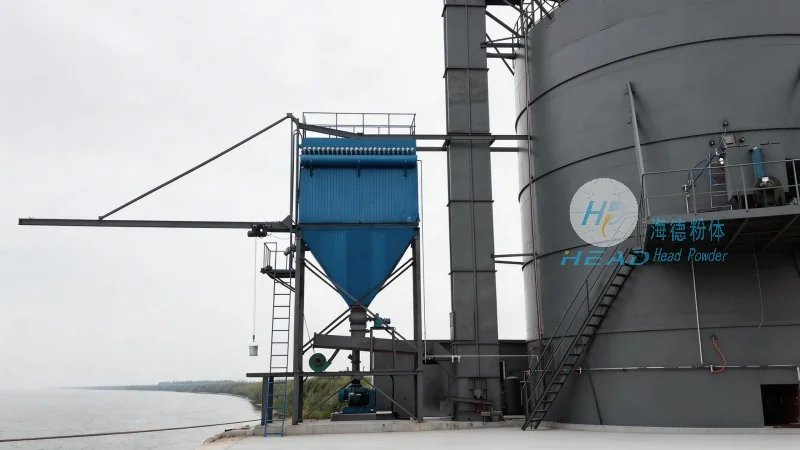
1. Pneumatic Conveying Systems
Pneumatic conveying, also known as air conveying, is a popular method for transporting iron oxide powders. This technique uses compressed air to move the powder through a pipeline. There are two main types: pressure and vacuum systems. Pressure systems push the powder with high-pressure air, while vacuum systems draw the powder using a vacuum pump. Pneumatic conveying is effective for long-distance transport and can handle fine powders without causing excessive wear. However, it may require more energy and careful maintenance to prevent clogging or air leaks. The method is particularly suitable for applications where dust control is critical, as the powder is contained within the system.
2. Screw Conveyors
Screw conveyors, or auger conveyors, are another common option for iron oxide powder transport. These systems consist of a rotating screw inside a tube, which moves the powder forward. Screw conveyors are ideal for horizontal or slightly inclined transport and can handle a wide range of particle sizes. They are relatively simple to install and maintain, making them a cost-effective solution for many industrial settings. However, they may not be suitable for very fine powders, as the screw can cause excessive friction and heat, potentially affecting the powder's properties. Additionally, screw conveyors are less effective for vertical lifting compared to other methods.
3. Pumping Methods
Pumping iron oxide powders using specialized pumps is another viable option. Slurry pumps, for example, can transport iron oxide powders mixed with water or other liquids. This method is useful when the powder needs to be moved through a pipeline that is already part of a liquid handling system. The advantage of pumping is that it can handle high concentrations of solids and is less prone to clogging compared to pneumatic systems. However, it requires a liquid medium, which may not be suitable for all applications, and the pump components need regular cleaning to prevent buildup of the powder.
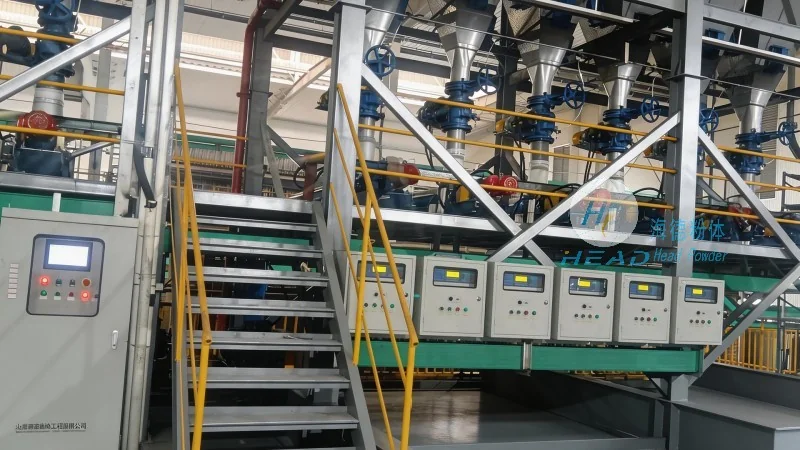
4. Bucket Elevators
Bucket elevators are used for vertical transport of iron oxide powders. These systems consist of a series of buckets attached to a chain or belt that moves up and down a vertical or inclined frame. The buckets scoop up the powder at the bottom and discharge it at the top. Bucket elevators are highly efficient for vertical lifting and can handle large volumes of material. They are particularly useful when the powder needs to be elevated to a significant height, such as in a coating or pigment production line. However, they may be more complex and expensive to install compared to other methods, and maintenance is required to ensure the buckets and chains are in good condition.
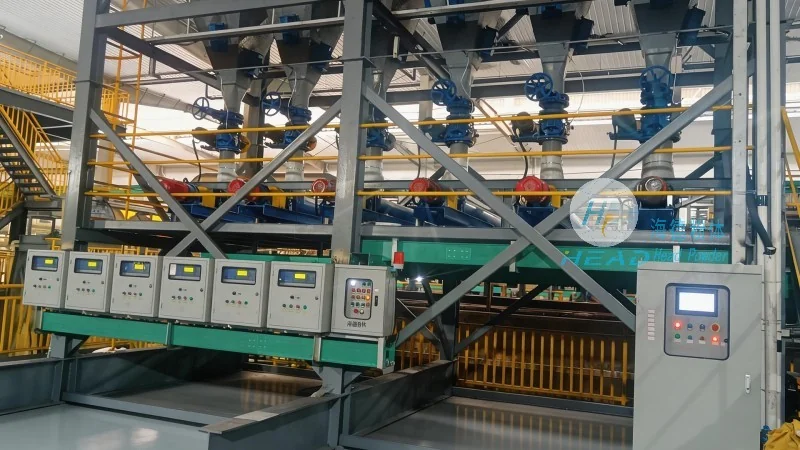
5. Belt Conveyors
Belt conveyors are a versatile option for iron oxide powder conveying, especially for horizontal or slightly inclined transport over longer distances. These systems use a continuous belt to move the powder from one point to another. Belt conveyors are suitable for a wide range of particle sizes and can handle high volumes of material. They are relatively low-maintenance and can be easily integrated into existing production lines. However, they may not be ideal for very fine powders, as the belt can cause some dusting, and they require proper alignment and tensioning to prevent slippage or damage to the powder.
Conclusion and Recommendations
The choice of iron oxide powder conveying method depends on several factors, including the powder's properties, the distance to be covered, the required capacity, and the operational environment. Pneumatic conveying is excellent for dust control and long-distance transport, while screw conveyors offer simplicity and cost-effectiveness for horizontal transport. Pumping methods are suitable when a liquid medium is available, and bucket elevators are ideal for vertical lifting. Belt conveyors provide versatility for various applications. It is essential to evaluate these factors carefully to select the most appropriate conveying system for a specific iron oxide powder handling operation.
About Shandong HeadPowder Engineering Co., Ltd.
Shandong HeadPowder Engineering Co., Ltd., operating under the brand name headpowder, is a leading manufacturer and supplier of iron oxide powders and related processing equipment. With a focus on quality and innovation, the company provides high-purity iron oxide products and customized conveying solutions tailored to the needs of various industries. Headpowder's commitment to excellence ensures that clients receive reliable and efficient iron oxide powder handling solutions. The company is based in Shandong, China, and serves customers worldwide with its advanced products and technical support.

 Công ty TNHH Kỹ thuật Công trình Bột Hải Đức Sơn Đông
 156-6277-7102(Quản lý Trương)
  0531-83386006
  Quận Chương Khâu, Thành phố Tế Nam, Tỉnh Sơn Đông, Trung Quốc
Điện thoại
WeChatTư vấn
Lên đầu