Công ty Hải Đức Bột với hơn 10 năm kinh nghiệm vận chuyển khí, cung cấp hệ thống‑thiết bị‑quạt gió và nhận dự án tổng thầu bột cả nước
When it comes to handling Polyvinyl Butyral (PVB), selecting the right conveying method is crucial for ensuring efficiency, safety, and product integrity. PVB, a versatile polymer widely used in applications such as safety glass interlayers and coatings, requires specialized handling due to its chemical and physical properties. Among the various options available, pneumatic conveying stands out as a preferred method for many industries. This article explores the different PVB conveying methods, with a focus on the advantages and features of PVB pneumatic conveying, as presented by Shandong HeadPowder Engineering Co., Ltd., a leading manufacturer based in China.
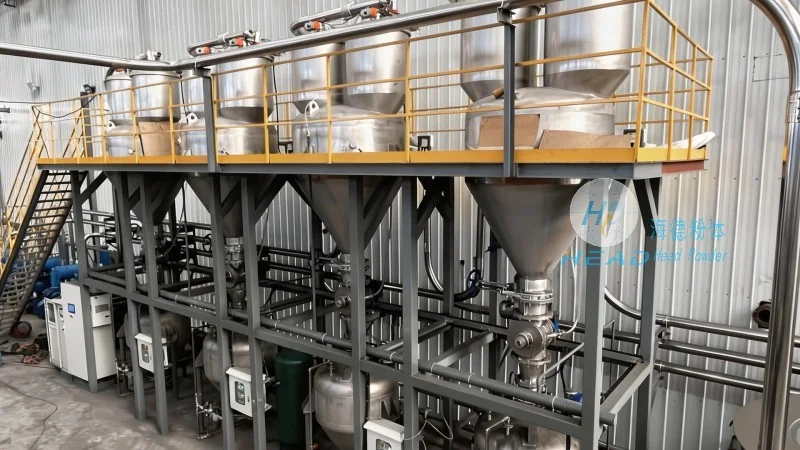
PVB Conveying Methods Overview
PVB can be conveyed using several methods, each with its own set of advantages and limitations. The primary methods include mechanical conveying (like belt conveyors, screw conveyors) and pneumatic conveying (including pressure and vacuum systems). Mechanical conveying is often suitable for bulk materials and lower volumes, but it may not be ideal for PVB due to its sensitivity to friction and heat. In contrast, pneumatic conveying offers a more controlled environment, minimizing the risk of product degradation and ensuring consistent flow rates.
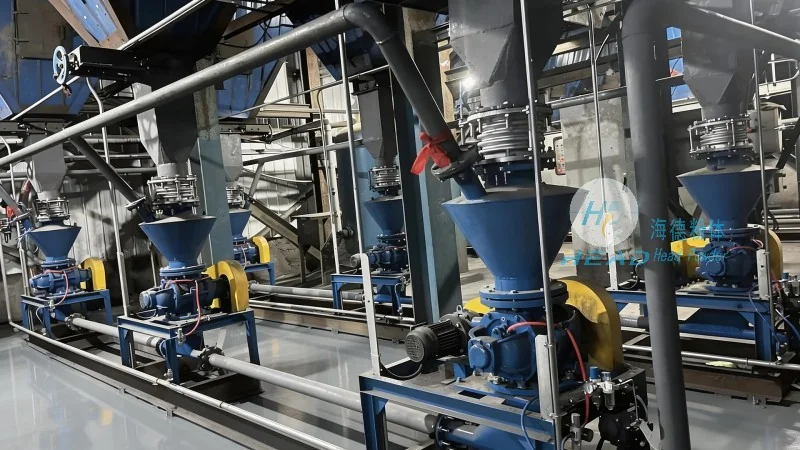
PVB Pneumatic Conveying: Key Advantages
Pneumatic conveying for PVB, as highlighted by Shandong HeadPowder Engineering Co., Ltd., offers several key advantages that make it a preferred choice for many applications. First, it provides a closed system, which helps maintain product purity and prevents contamination from external factors. This is particularly important for PVB, which is used in applications where quality and consistency are critical, such as in the production of safety glass. Second, pneumatic conveying allows for precise control over flow rates and pressure, enabling efficient handling of PVB in various processing stages. The system can be designed to handle both dry and slightly moist PVB, adapting to different production needs. Third, it reduces the need for manual handling, enhancing workplace safety and reducing the risk of accidents. The enclosed nature of the system also minimizes dust emissions, contributing to a cleaner and more environmentally friendly operation.
Features of PVB Pneumatic Conveying Systems
Shandong HeadPowder Engineering Co., Ltd. specializes in designing and manufacturing PVB pneumatic conveying systems tailored to specific industrial requirements. These systems typically include components such as a hopper for material storage, a conveyor line with appropriate tubing or pipes, and a control unit for regulating pressure and flow. The design of the system is crucial to ensure that PVB is conveyed without causing degradation or damage. For example, the use of flexible hoses and smooth, non-stick surfaces in the conveyor line helps prevent friction and heat buildup, which could affect the polymer's properties. The control unit allows operators to adjust the conveying speed and pressure according to the volume and characteristics of the PVB being handled. This flexibility ensures that the system can handle varying production loads efficiently.
Applications of PVB Pneumatic Conveying
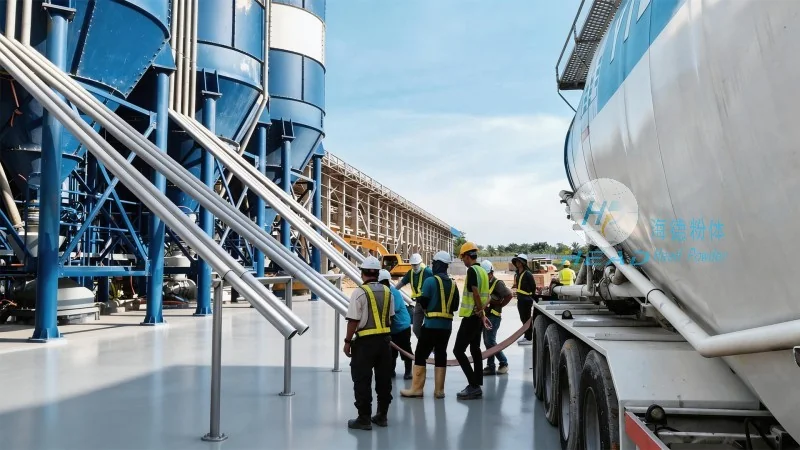
PVB pneumatic conveying is widely used in various industries, including automotive, construction, and glass manufacturing. In the automotive industry, PVB is used as an interlayer in safety glass, and the pneumatic conveying system ensures that the material is delivered to the production line without any contamination or damage. In construction, PVB is used in coatings and adhesives, and the efficient conveying system helps maintain the quality of the product. The glass manufacturing industry relies heavily on PVB for laminated glass production, and the pneumatic conveying system ensures that the material is delivered to the lamination line in a controlled manner, enhancing the overall production efficiency. The ability to handle PVB in a closed system also helps maintain the product's properties, which is essential for meeting the strict quality standards in these industries.
Conclusion
In conclusion, PVB pneumatic conveying is a highly effective method for handling Polyvinyl Butyral, offering numerous advantages over traditional mechanical conveying methods. The closed system, precise control, and reduced manual handling make it an ideal choice for industries that require high-quality and consistent PVB products. Shandong HeadPowder Engineering Co., Ltd., with its expertise in PVB processing and conveying systems, provides reliable solutions that meet the specific needs of various industries. By choosing the right PVB conveying method, manufacturers can enhance their production efficiency, ensure product quality, and maintain a safe working environment.

 Công ty TNHH Kỹ thuật Công trình Bột Hải Đức Sơn Đông
 156-6277-7102(Quản lý Trương)
  0531-83386006
  Quận Chương Khâu, Thành phố Tế Nam, Tỉnh Sơn Đông, Trung Quốc
Điện thoại
WeChatTư vấn
Lên đầu