Công ty Hải Đức Bột với hơn 10 năm kinh nghiệm vận chuyển khí, cung cấp hệ thống‑thiết bị‑quạt gió và nhận dự án tổng thầu bột cả nước
When it comes to transporting vinyl ester resin, selecting the right conveying method is crucial for efficiency, safety, and cost-effectiveness. Vinyl ester resins are widely used in various industrial applications, including composites, coatings, and chemical processing, due to their excellent properties such as high chemical resistance and mechanical strength. However, the handling of these resins requires specialized equipment and methods to ensure proper flow and minimize contamination. This article explores the different types of vinyl ester resin conveying methods, with a focus on the advantages and features of pneumatic conveying, a popular choice in the industry.
Overview of Vinyl Ester Resin Conveying Methods
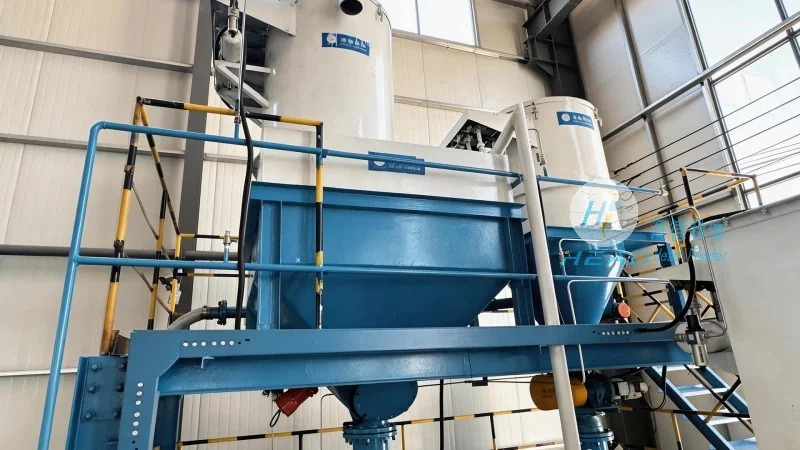
Vinyl ester resins can be transported using several methods, each with its own set of advantages and limitations. The primary methods include bulk handling, mechanical conveying, and pneumatic conveying. Bulk handling involves the use of containers like drums or totes, which are then moved by forklifts or other material handling equipment. Mechanical conveying systems, such as screw conveyors or belt conveyors, are suitable for transporting resins in bulk quantities but may not be as efficient for fine powders or liquids. Pneumatic conveying, on the other hand, uses air or other gases to move the resin particles through a pipeline, offering a more flexible and efficient solution for many applications.
Pneumatic Conveying: Advantages and Features
Pneumatic conveying is a widely adopted method for transporting vinyl ester resins due to its numerous benefits. One of the key advantages is its ability to handle fine powders and liquids efficiently. Unlike mechanical systems that may cause clogging or wear, pneumatic conveying uses air pressure to move the resin, reducing the risk of product degradation. This method also allows for the transportation of resins over long distances without the need for intermediate storage or handling. Additionally, pneumatic systems can be designed to be enclosed, which helps in maintaining a clean and safe working environment by containing dust and fumes.
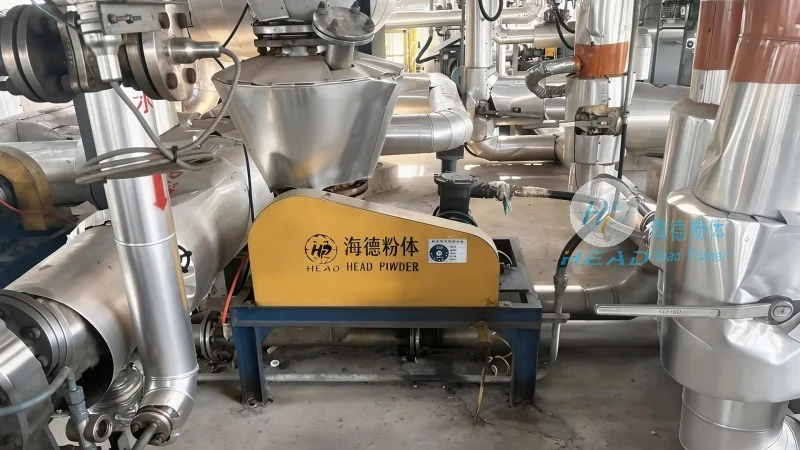
Key Features of Pneumatic Conveying for Vinyl Ester Resins
Several key features make pneumatic conveying an ideal choice for vinyl ester resin applications. First, the system can be customized to handle different resin types and particle sizes. This flexibility allows manufacturers to adapt the conveying system to their specific production needs. Second, the use of air as the conveying medium ensures that the resin remains in a controlled environment, preventing exposure to contaminants or moisture. Third, pneumatic systems are generally more energy-efficient compared to mechanical systems, as they require less power to move the resin over long distances. Finally, the enclosed design of pneumatic systems helps in maintaining a safe working environment by minimizing the risk of respiratory hazards associated with fine resin particles.
Comparison with Other Conveying Methods
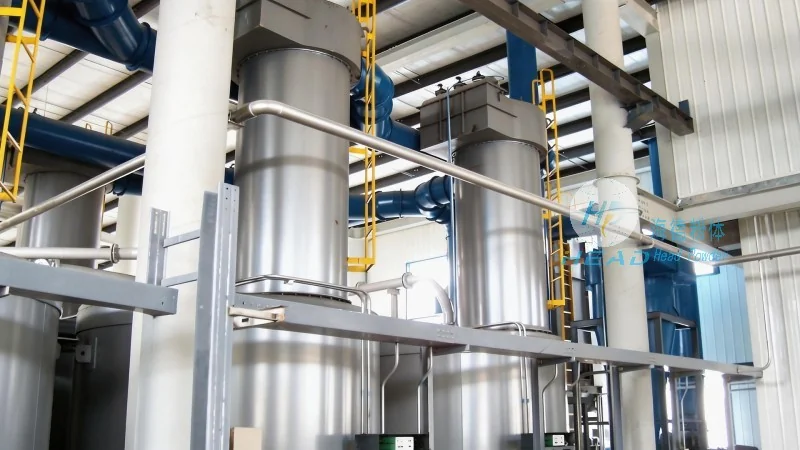
When compared to other conveying methods, pneumatic conveying stands out for its efficiency and flexibility. Mechanical conveying systems, while cost-effective for some applications, may struggle with fine powders and can cause wear and tear on the equipment over time. Bulk handling methods, such as drums or totes, are suitable for smaller quantities but are less efficient for large-scale production. Pneumatic conveying, however, offers a balance between efficiency and cost, making it a preferred choice for many industrial applications.
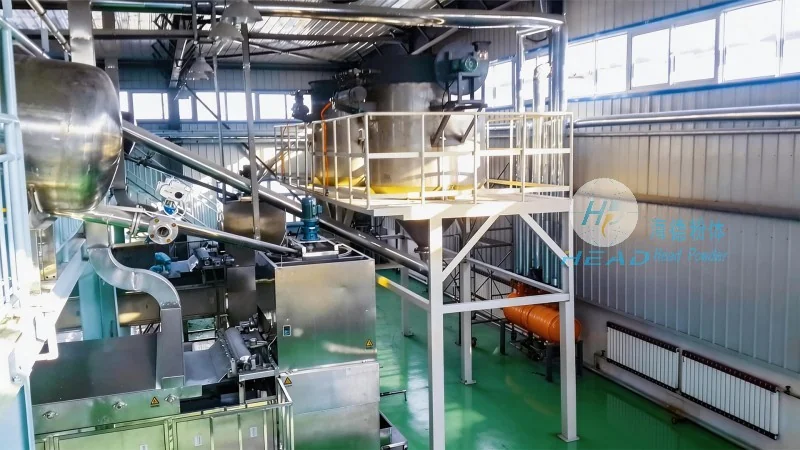
HeadPowder Engineering: Expert in Vinyl Ester Resin Conveying Solutions
Shandong HeadPowder Engineering Co., Ltd., a leading manufacturer in the field, specializes in providing high-quality pneumatic conveying systems for vinyl ester resins. With years of experience in the industry, HeadPowder has developed advanced solutions that meet the specific needs of various applications. The company's expertise lies in designing and manufacturing customized pneumatic systems that ensure efficient and safe transportation of vinyl ester resins. HeadPowder's products are known for their durability, reliability, and compliance with industry standards. The company's commitment to quality and customer satisfaction has made it a trusted partner for many businesses in the composite and chemical industries.
Conclusion
In conclusion, the choice of vinyl ester resin conveying method depends on several factors, including the resin type, application requirements, and production scale. Pneumatic conveying, with its advantages in efficiency, flexibility, and safety, is a popular choice for many industrial applications. Companies like Shandong HeadPowder Engineering Co., Ltd. play a crucial role in providing advanced conveying solutions that help manufacturers optimize their production processes and ensure the quality of their products. By understanding the different conveying methods and their features, businesses can make informed decisions to enhance their operational efficiency and productivity.

 Công ty TNHH Kỹ thuật Công trình Bột Hải Đức Sơn Đông
 156-6277-7102(Quản lý Trương)
  0531-83386006
  Quận Chương Khâu, Thành phố Tế Nam, Tỉnh Sơn Đông, Trung Quốc
Điện thoại
WeChatTư vấn
Lên đầu