Công ty Hải Đức Bột với hơn 10 năm kinh nghiệm vận chuyển khí, cung cấp hệ thống‑thiết bị‑quạt gió và nhận dự án tổng thầu bột cả nước
When it comes to handling and transporting ash and slag from industrial processes, selecting the right conveying method is crucial for efficiency, safety, and cost-effectiveness. Various technologies are available, each with its own advantages and applications. This article explores common ash conveying methods, with a particular focus on the benefits and applications of ash pneumatic conveying systems.
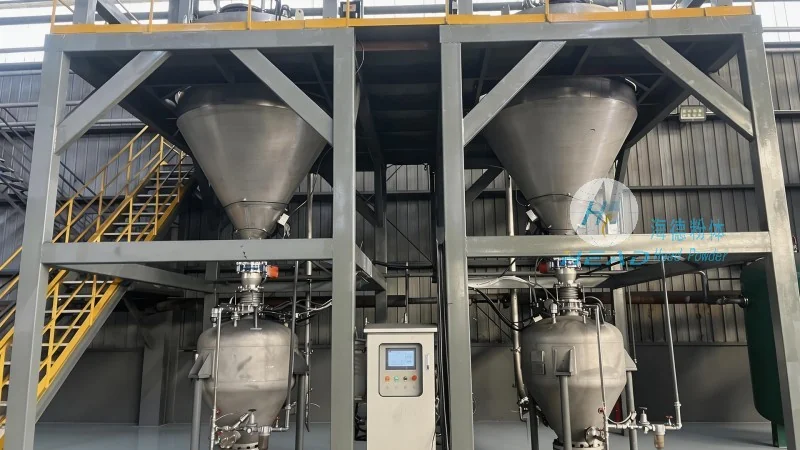
Understanding Ash and Slag Conveying Needs
Ash and slag are byproducts of combustion processes, typically found in power plants, cement factories, and other industrial facilities. These materials are often abrasive, heavy, and can pose environmental and safety challenges if not handled properly. The primary goal of ash conveying is to transport these materials from the point of generation to disposal or reprocessing sites with minimal downtime and operational risks.
Key Factors in Choosing an Ash Conveying System
Before selecting a conveying method, several factors must be considered. These include the type and characteristics of the ash (e.g., particle size, moisture content, density), the distance and layout of the conveying route, the required throughput capacity, and the environmental regulations in the operating region. Each factor influences the suitability of different technologies, such as mechanical conveyors, pneumatic systems, or hybrid solutions.
Common Ash Conveying Methods Overview
Traditional ash conveying methods often rely on mechanical systems like belt conveyors, screw conveyors, or bucket elevators. While these are effective for certain applications, they may face limitations when dealing with abrasive or sticky ash, requiring frequent maintenance and higher operational costs. In contrast, pneumatic conveying systems offer a more flexible and efficient solution for many industrial scenarios.
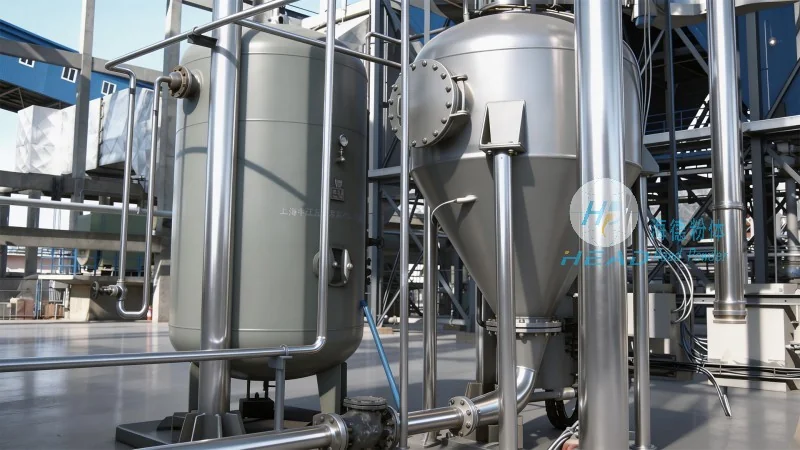
Introduction to Ash Pneumatic Conveying
Ash pneumatic conveying, also known as ash air conveying, utilizes compressed air to transport ash and slag through a pipeline system. This method is particularly advantageous for long-distance, high-capacity, and complex routing requirements. The system typically consists of a blower, a hopper for material storage, a pipeline network, and a discharge point. The compressed air creates a flow that propels the ash particles through the pipeline, minimizing material degradation and reducing the need for mechanical components that can wear out quickly.
Advantages of Ash Pneumatic Conveying
One of the primary benefits of ash pneumatic conveying is its ability to handle abrasive and high-density materials without significant wear on the system components. The enclosed pipeline system also reduces dust emissions and improves safety by containing the material within the conveying line. Additionally, pneumatic systems can be easily integrated with other industrial processes, allowing for seamless material transfer and automation. The flexibility of the pipeline layout enables the system to adapt to changing operational needs or facility expansions.
Applications and Use Cases
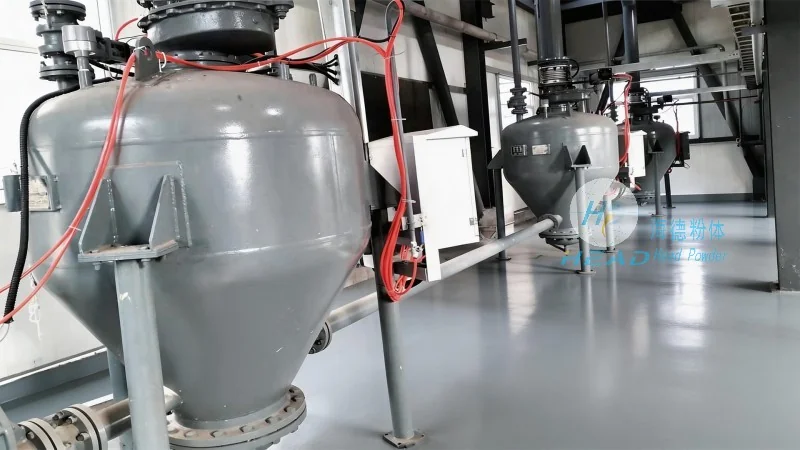
Ash pneumatic conveying is widely used in power plants for transporting fly ash from boilers to storage silos or for reusing ash in cement production. It is also applicable in cement factories for conveying raw materials or finished products. The system's ability to handle varying ash characteristics makes it suitable for both new installations and retrofitting existing facilities. Companies like Shandong HeadPowder Engineering Co., Ltd., based in China, specialize in designing and manufacturing customized ash pneumatic conveying systems tailored to specific industrial requirements.
System Components and Design Considerations
The effectiveness of an ash pneumatic conveying system depends on its design and component selection. Key components include high-efficiency blowers that provide sufficient air pressure and volume, material feeders to control the flow rate, and pipeline systems made from corrosion-resistant materials such as stainless steel or special alloys to withstand the abrasive nature of ash. The design must also consider the velocity of the air flow to ensure proper particle transport without causing excessive wear or pressure drop. Proper sealing and maintenance of the system are essential to prevent air leaks and maintain optimal performance.
Operational Efficiency and Maintenance
Efficient operation of ash pneumatic conveying systems requires regular maintenance to ensure optimal performance and longevity. This includes monitoring air pressure and flow rates, inspecting pipeline for blockages or wear, and maintaining the blower and feeder components. Modern systems often incorporate sensors and automation controls to optimize operation and detect potential issues early. By implementing proper maintenance protocols, industrial facilities can minimize downtime, reduce operational costs, and ensure the safe and reliable transport of ash and slag.
Conclusion
In summary, ash and slag conveying is a critical aspect of industrial operations, and the choice of conveying method significantly impacts efficiency and safety. While mechanical systems have their place, ash pneumatic conveying offers a versatile and effective solution for many applications. By understanding the advantages and design considerations of pneumatic systems, industrial facilities can select the most appropriate technology to meet their specific needs. Companies like Shandong HeadPowder Engineering Co., Ltd. play a vital role in providing customized solutions that enhance operational efficiency and support sustainable industrial practices.

 Công ty TNHH Kỹ thuật Công trình Bột Hải Đức Sơn Đông
 156-6277-7102(Quản lý Trương)
  0531-83386006
  Quận Chương Khâu, Thành phố Tế Nam, Tỉnh Sơn Đông, Trung Quốc
Điện thoại
WeChatTư vấn
Lên đầu