Công ty Hải Đức Bột với hơn 10 năm kinh nghiệm vận chuyển khí, cung cấp hệ thống‑thiết bị‑quạt gió và nhận dự án tổng thầu bột cả nước
Calcined sand, a crucial material in various industrial applications, requires efficient and reliable conveying systems to ensure smooth production processes. The choice of conveying method for calcined sand depends on several factors, including material properties, production scale, and operational environment. Understanding the available options is essential for optimizing material handling and minimizing operational costs. This article explores the primary methods used for calcined sand conveying, providing insights into their applications and benefits.
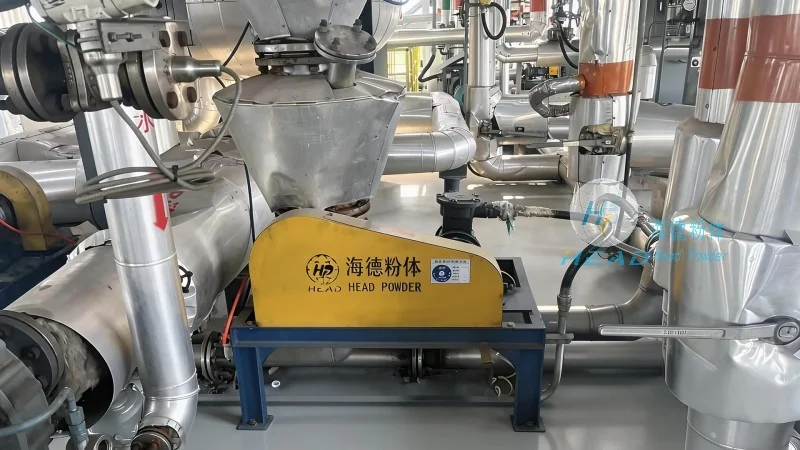
HeadPowder's Expertise in Calcined Sand Handling
At Shandong HeadPowder Engineering Co., Ltd., we specialize in providing tailored solutions for calcined sand processing and conveying. With years of experience in the industry, our team of engineers and technicians is dedicated to delivering high-quality equipment and systems that meet the specific needs of our clients. Our company, commonly known as HeadPowder, is committed to excellence in material handling technology, ensuring that our solutions are both efficient and durable. Based in Shandong, China, we leverage our local expertise and resources to support clients across the region and beyond.
Common Conveying Methods for Calcined Sand
Several methods are commonly employed for the transportation of calcined sand, each with its own advantages and suitability for different scenarios. The selection of a method often depends on the characteristics of the material, such as its bulk density, flowability, and potential for dust generation. Here are some of the most widely used conveying techniques:
1. Belt Conveyors for Calcined Sand
Belt conveyors are one of the most popular and versatile methods for calcined sand conveying. They are ideal for transporting large volumes of material over short to medium distances. The system typically consists of a continuous belt that moves the material from the source to the destination. Belt conveyors are particularly effective for calcined sand due to their ability to handle abrasive materials without significant wear. The smooth surface of the belt reduces friction, minimizing material degradation and ensuring consistent flow. Additionally, belt conveyors can be customized with various features, such as incline or decline angles, to accommodate different layout requirements. This flexibility makes them a preferred choice for many industrial applications.
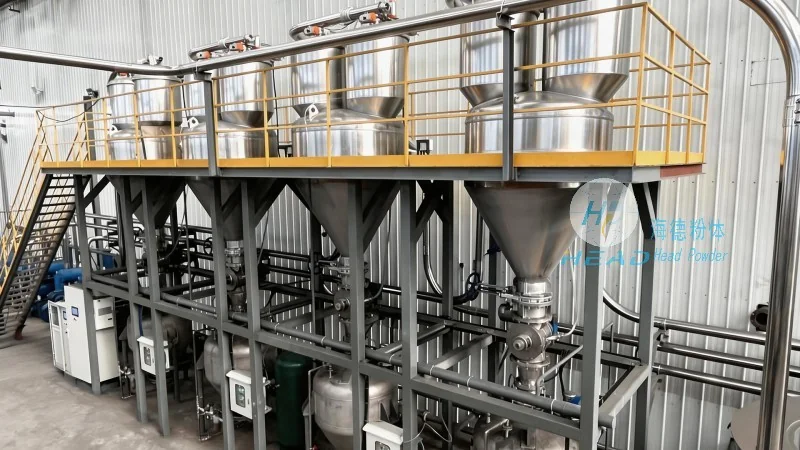
2. Screw Conveyors for Calcined Sand
Screw conveyors, also known as auger conveyors, are another effective method for calcined sand transportation. These systems use a rotating screw (auger) to move material along a trough. Screw conveyors are well-suited for calcined sand because they can handle materials with varying moisture content and flowability. The screw's design allows for gentle material handling, reducing the risk of breakage or degradation. This makes them particularly useful for delicate or abrasive materials like calcined sand. Screw conveyors are also compact and can be installed in confined spaces, making them suitable for applications where space is limited. They are commonly used in processing plants for feeding, mixing, and transporting calcined sand to different stages of production.
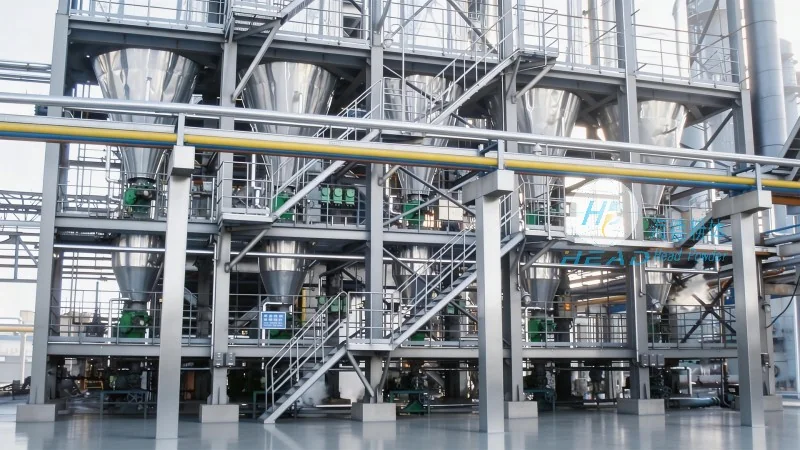
3. Pneumatic Conveying Systems for Calcined Sand
Pneumatic conveying systems use air or other gases to transport calcined sand through a pipeline. This method is particularly effective for materials that are dusty or have a tendency to create dust during handling. Pneumatic conveyors can handle calcined sand in both dense and dilute phases, depending on the system design. The primary advantage of this method is its ability to transport material over long distances with minimal maintenance. However, it is important to consider the power requirements and potential for air leakage when selecting a pneumatic system. Pneumatic conveying is often used in applications where dust control is critical, such as in food processing or pharmaceutical industries, but can also be adapted for calcined sand handling.
4. Bucket Elevators for Calcined Sand
Bucket elevators are vertical or inclined conveyor systems that use buckets attached to a chain or belt to lift and transport calcined sand. These systems are highly efficient for vertical or steep incline transport, making them suitable for applications where the material needs to be moved vertically or over significant height differences. Bucket elevators are capable of handling a wide range of materials, including calcined sand, with high capacity and low maintenance. The design of the buckets ensures that the material is securely contained during transport, reducing spillage and dust generation. This makes bucket elevators an excellent choice for applications where material containment and dust control are essential. They are commonly used in cement plants, mining operations, and other industries that require vertical material transport.
5. Chain Conveyors for Calcined Sand
Chain conveyors utilize a series of chains with attached buckets or pans to transport calcined sand. These systems are robust and can handle heavy loads, making them suitable for high-capacity applications. Chain conveyors are particularly effective for calcined sand due to their ability to handle abrasive materials and maintain consistent flow. The chains are designed to withstand the wear and tear associated with handling calcined sand, ensuring long service life. Chain conveyors can be customized with different chain types and bucket configurations to suit specific material characteristics. They are commonly used in bulk material handling applications, such as in power plants or mining operations, where calcined sand is a key component.

 Công ty TNHH Kỹ thuật Công trình Bột Hải Đức Sơn Đông
 156-6277-7102(Quản lý Trương)
  0531-83386006
  Quận Chương Khâu, Thành phố Tế Nam, Tỉnh Sơn Đông, Trung Quốc
Điện thoại
WeChatTư vấn
Lên đầu