Công ty Hải Đức Bột với hơn 10 năm kinh nghiệm vận chuyển khí, cung cấp hệ thống‑thiết bị‑quạt gió và nhận dự án tổng thầu bột cả nước
For industrial operations that rely on petroleum coke, efficient and reliable transportation methods are crucial to maintaining production flow and ensuring safety standards. Shandong HeadPowder Engineering Co., Ltd., a leading provider in the field, offers a range of solutions tailored to meet diverse industrial needs. This article explores the various methods available for transporting petroleum coke, highlighting the key considerations and applications for each approach.
1. Pipeline Transportation: A High-Capacity Solution
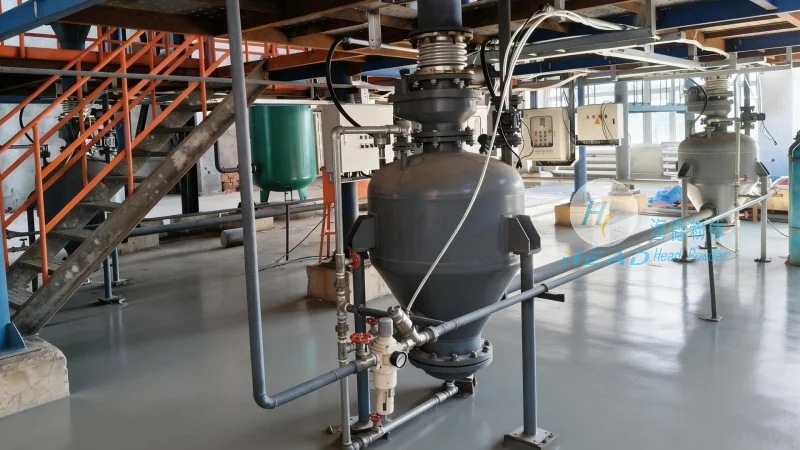
Pipeline transportation is a popular choice for large-scale petroleum coke delivery, especially in facilities with extensive infrastructure. This method involves pumping petroleum coke through a network of pipes, often using specialized pumps and valves to control flow rates. The primary advantage of pipeline transport is its ability to handle high volumes with minimal labor, reducing the risk of dust exposure and spillage. It is particularly suitable for continuous production lines where a steady supply of petroleum coke is required. The system can be integrated with other industrial processes, such as storage and processing, to create a seamless workflow. Shandong HeadPowder Engineering Co., Ltd. specializes in designing and installing pipeline systems that meet industry standards, ensuring durability and efficiency.
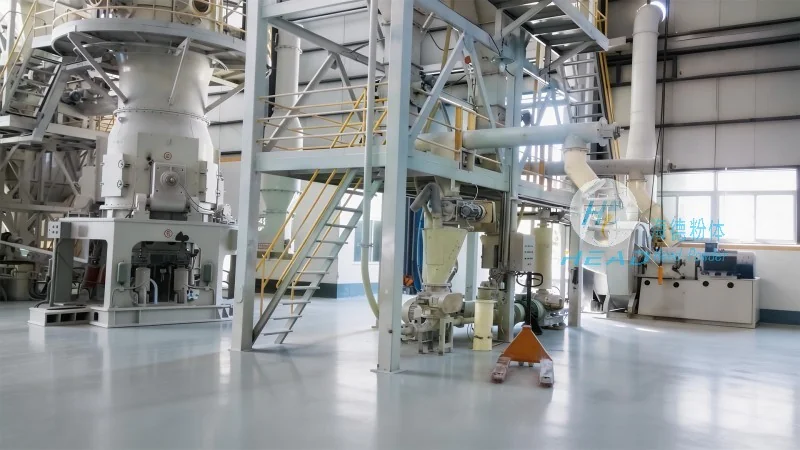
2. Belt Conveyor Systems: Versatile and Durable
Belt conveyor systems are widely used in the petroleum coke industry due to their versatility and ability to transport materials over long distances. These systems consist of a continuous belt that moves material from one point to another, often with multiple inclines and declines to accommodate different layouts. Belt conveyors are ideal for both indoor and outdoor applications, making them suitable for various industrial settings. They can handle a wide range of material types and sizes, including bulk petroleum coke, with minimal maintenance requirements. The design of the conveyor system, including the type of belt and idler spacing, is critical to ensuring smooth operation and preventing material buildup. Shandong HeadPowder Engineering Co., Ltd. offers customized belt conveyor solutions that are tailored to specific operational needs, enhancing productivity and reducing downtime.
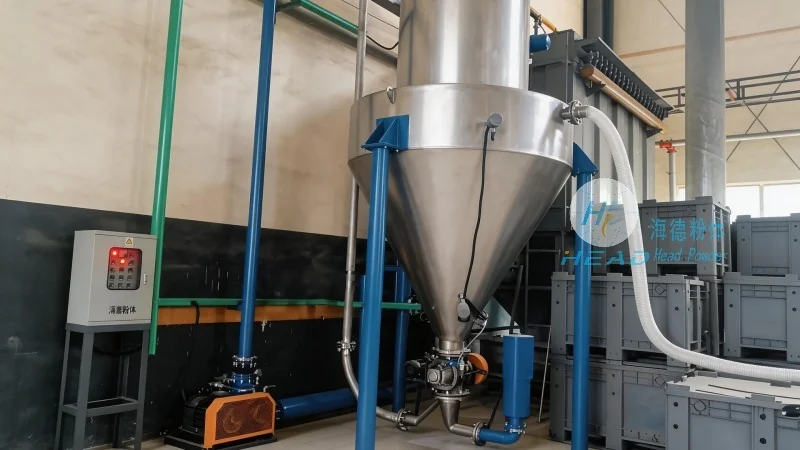
3. Truck Transportation: Flexible and Accessible
Truck transportation provides flexibility for transporting petroleum coke to off-site locations, such as storage facilities or processing plants. This method is particularly useful when pipelines or conveyor systems are not feasible due to distance or infrastructure constraints. Trucks can carry large quantities of petroleum coke, making them an efficient option for bulk deliveries. The use of specialized trucks, equipped with dust suppression systems and secure loading mechanisms, ensures safety and compliance with environmental regulations. Truck transport is also suitable for delivering petroleum coke to smaller or remote sites where other methods may not be practical. Shandong HeadPowder Engineering Co., Ltd. collaborates with logistics partners to provide reliable trucking services, ensuring timely and secure delivery of petroleum coke to clients.
4. Rail Transportation: Cost-Effective for Long Distances
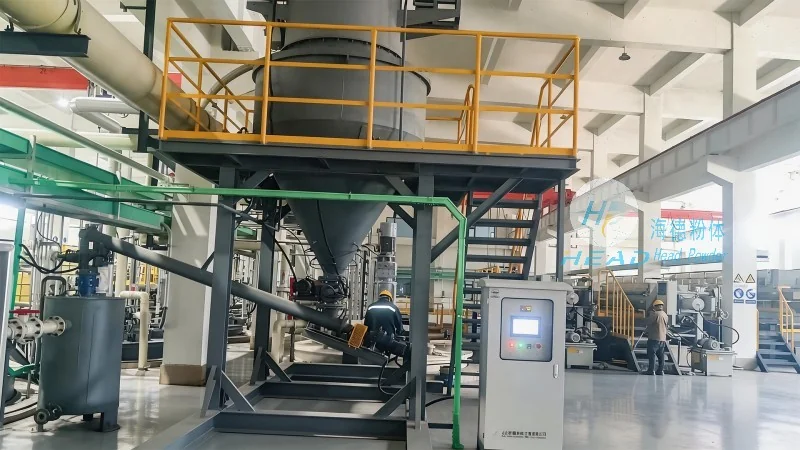
Rail transportation is a cost-effective solution for transporting large volumes of petroleum coke over long distances. This method involves loading petroleum coke into railcars, which are then transported to the destination. Rail transport is particularly advantageous for facilities located near railway lines, as it reduces the need for additional infrastructure. The system can handle high volumes with minimal operational costs, making it an attractive option for large-scale operations. Railcars are designed to carry bulk materials, ensuring stability and preventing spillage during transit. Shandong HeadPowder Engineering Co., Ltd. works with rail operators to coordinate the loading and unloading of petroleum coke, ensuring efficient and safe transportation. This method is ideal for companies that need to move petroleum coke over long distances without the need for extensive on-site processing.
5. Storage and Handling Considerations
Regardless of the transportation method chosen, proper storage and handling are essential to maintain the quality of petroleum coke. Petroleum coke is a fine, powdery material that can be prone to dust and contamination if not handled correctly. Shandong HeadPowder Engineering Co., Ltd. recommends implementing dust control measures, such as enclosure systems and ventilation, to minimize environmental impact and ensure worker safety. Proper storage facilities, such as silos or bulk storage tanks, should be designed to prevent moisture and contamination, which can affect the quality of the petroleum coke. The use of automated systems for loading and unloading can also improve efficiency and reduce the risk of accidents. By prioritizing storage and handling, companies can ensure that the petroleum coke remains in optimal condition throughout the transportation process.

 Công ty TNHH Kỹ thuật Công trình Bột Hải Đức Sơn Đông
 156-6277-7102(Quản lý Trương)
  0531-83386006
  Quận Chương Khâu, Thành phố Tế Nam, Tỉnh Sơn Đông, Trung Quốc
Điện thoại
WeChatTư vấn
Lên đầu