Công ty Hải Đức Bột với hơn 10 năm kinh nghiệm vận chuyển khí, cung cấp hệ thống‑thiết bị‑quạt gió và nhận dự án tổng thầu bột cả nước
When it comes to the efficient and reliable transport of maltose, selecting the right conveyance method is crucial for maintaining product quality and operational efficiency. Maltose, a key ingredient in various food and beverage applications, requires specialized handling to prevent degradation and ensure consistent flow. This article explores the primary methods used for maltose conveyance, highlighting the expertise of Shandong HeadPowder Engineering Co., Ltd. in providing tailored solutions for the industry.
Understanding Maltose and Its Conveyance Requirements
Maltose, a disaccharide derived from starch hydrolysis, is widely used in the food, pharmaceutical, and chemical sectors. Its hygroscopic nature and sensitivity to temperature and shear stress make conventional conveyance methods less suitable. Therefore, modern maltose handling systems must prioritize gentle handling, minimal exposure to air, and precise control over flow rates. These requirements drive the adoption of specialized equipment and techniques to ensure the integrity of the product throughout the transport process.
Common Conveyance Methods for Maltose
Several methods are employed for maltose conveyance, each with its own advantages and applications. The choice of method depends on factors such as the scale of operation, the physical properties of the maltose, and the specific requirements of the downstream process. Below are the most common approaches used by industry professionals, including those at HeadPowder.
Pneumatic Conveying Systems
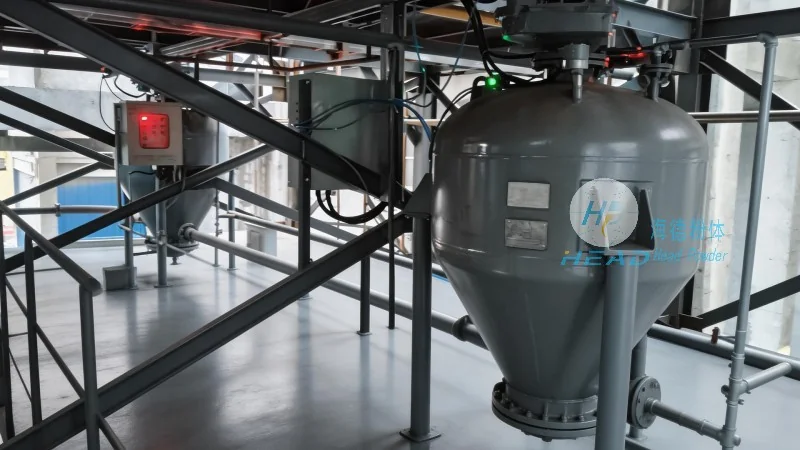
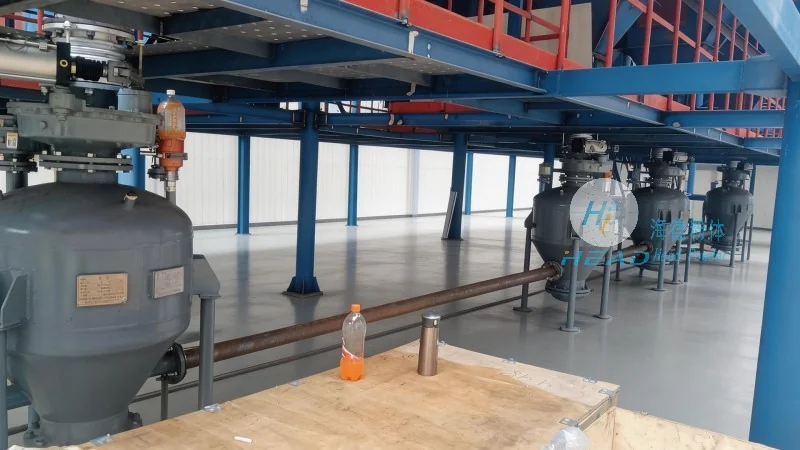
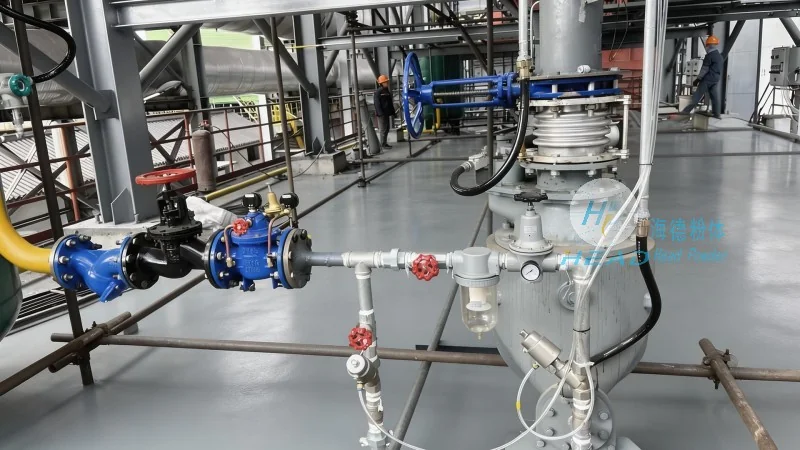
Pneumatic conveying, also known as air-assisted transport, is a popular method for moving maltose in bulk. This technique uses compressed air to create a flow that carries the maltose particles through a pipeline. There are two main types of pneumatic conveying: pressure and vacuum systems. Pressure systems are ideal for long-distance transport and can handle large volumes of maltose efficiently. Vacuum systems, on the other hand, are better suited for shorter distances and require less energy. Pneumatic systems offer advantages such as low maintenance, the ability to handle abrasive materials, and the option to integrate with other processing equipment. However, they may require additional drying steps to prevent moisture buildup, which is critical for maltose due to its hygroscopic properties.
Positive Displacement Pumps
Positive displacement pumps are another effective method for conveying maltose, especially in applications where precise flow control is essential. These pumps work by trapping a fixed volume of fluid (or in this case, maltose) and then displacing it through the pump. Common types include rotary lobe pumps, gear pumps, and diaphragm pumps. Rotary lobe pumps are particularly suitable for handling maltose because they provide gentle, non-shearing action, which helps maintain the product's quality. These pumps are capable of handling high-viscosity materials and can operate at low speeds, reducing the risk of product degradation. Positive displacement pumps are also ideal for applications that require consistent flow rates, such as in pharmaceutical manufacturing or high-purity food processing.
Screw Conveyors and Auger Systems
Screw conveyors, or auger systems, are widely used for the horizontal and vertical transport of maltose. These systems consist of a rotating screw (auger) inside a tube or trough, which moves the material forward through the system. Screw conveyors are known for their simplicity, low cost, and ability to handle a wide range of materials, including powders and granules. They are particularly effective for transporting maltose in bulk, as they can maintain a consistent flow and minimize product exposure to air. However, screw conveyors may cause some shear and friction, which can affect the product's texture and quality if not properly designed. To mitigate this, manufacturers often use flexible screw conveyors or add lubricants to reduce friction. Screw conveyors are commonly used in storage and processing facilities, where they can integrate with other equipment like hoppers and mixers.
Hygienic and Sanitary Conveyance Solutions
For applications in the food and pharmaceutical industries, where hygiene and sanitation are paramount, specialized conveyance systems are required. These systems are designed to prevent contamination and ensure compliance with regulatory standards. HeadPowder, as a leading provider of maltose handling solutions, offers hygienic conveying equipment that meets the strictest industry requirements. Such systems typically feature smooth, easy-to-clean surfaces, CIP (Clean-In-Place) compatibility, and sealed components to prevent cross-contamination. Hygienic screw conveyors and pneumatic systems are commonly used in these sectors, ensuring that maltose remains free from contaminants throughout the transport process. These solutions are critical for maintaining product safety and meeting consumer and regulatory expectations.
Choosing the Right Conveyance Method for Your Maltose Application
Selecting the appropriate maltose conveyance method requires careful consideration of several factors. The scale of the operation, the physical properties of the maltose (such as moisture content and particle size), and the downstream processing requirements all play a role in the decision-making process. For example, a small-scale food processing plant may opt for a screw conveyor due to its cost-effectiveness and simplicity, while a large-scale industrial facility might choose a pneumatic system for its efficiency and ability to handle high volumes. The expertise of companies like Shandong HeadPowder Engineering Co., Ltd. is invaluable in this process, as they can provide tailored solutions that address specific operational challenges and ensure optimal performance.
Conclusion
In conclusion, the conveyance of maltose requires specialized methods that prioritize product integrity and operational efficiency. From pneumatic conveying to positive displacement pumps and screw conveyors, each method has its own advantages and limitations. The choice of method depends on the specific needs of the application and the expertise of the equipment provider. With the right conveyance system in place, manufacturers can ensure the consistent and reliable transport of maltose, maintaining its quality and meeting the demands of the industry. Shandong HeadPowder Engineering Co., Ltd. stands ready to provide innovative and effective solutions for all maltose conveyance needs, helping businesses achieve their operational goals while upholding the highest standards of product quality.

 Công ty TNHH Kỹ thuật Công trình Bột Hải Đức Sơn Đông
 156-6277-7102(Quản lý Trương)
  0531-83386006
  Quận Chương Khâu, Thành phố Tế Nam, Tỉnh Sơn Đông, Trung Quốc
Điện thoại
WeChatTư vấn
Lên đầu