Công ty Hải Đức Bột với hơn 10 năm kinh nghiệm vận chuyển khí, cung cấp hệ thống‑thiết bị‑quạt gió và nhận dự án tổng thầu bột cả nước
Dry lime, a crucial material in various industrial applications such as flue gas desulfurization, water treatment, and construction, requires efficient and reliable handling to ensure optimal performance and safety. The method of transporting dry lime from storage to processing units can significantly impact operational efficiency, material quality, and overall system reliability. In this context, understanding the different dry lime conveying methods is essential for selecting the most suitable solution for specific industrial needs. This article explores the various dry lime conveying methods and highlights the advanced pneumatic conveying technology offered by Shandong HeadPowder Engineering Co., Ltd., commonly known as HeadPowder.
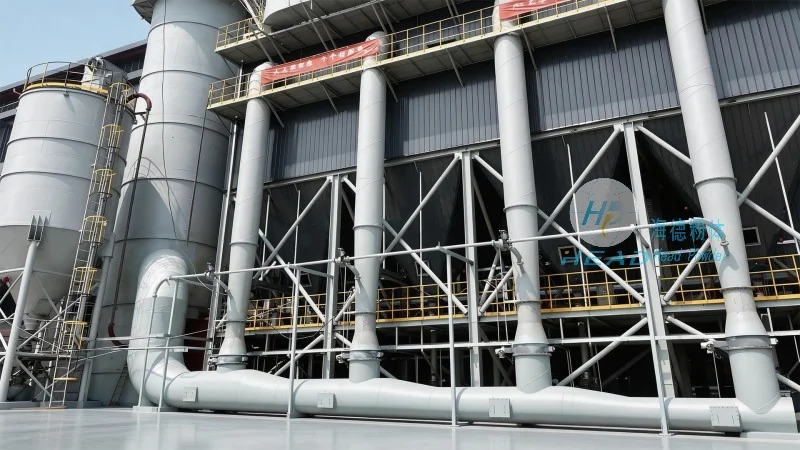
Traditional Dry Lime Conveying Methods and Their Limitations
Historically, dry lime has been transported using conventional methods like belt conveyors, screw conveyors, and bucket elevators. While these systems have been widely used, they often present several challenges that can affect the integrity of the material and the efficiency of the process. For instance, belt conveyors may suffer from material spillage, especially when handling fine powders like dry lime, leading to dust emissions and potential environmental concerns. Screw conveyors, on the other hand, can experience blockages and material degradation due to the abrasive nature of dry lime, requiring frequent maintenance and replacement of components. Bucket elevators, while effective for vertical transport, may face issues with material buildup and wear on the elevator components, reducing their lifespan and increasing operational costs. These traditional methods also struggle with handling long-distance or complex route requirements, often necessitating multiple transfer points and additional equipment, which can complicate the overall system and increase the risk of material loss or contamination.
HeadPowder's Pneumatic Conveying Technology: Advantages and Applications
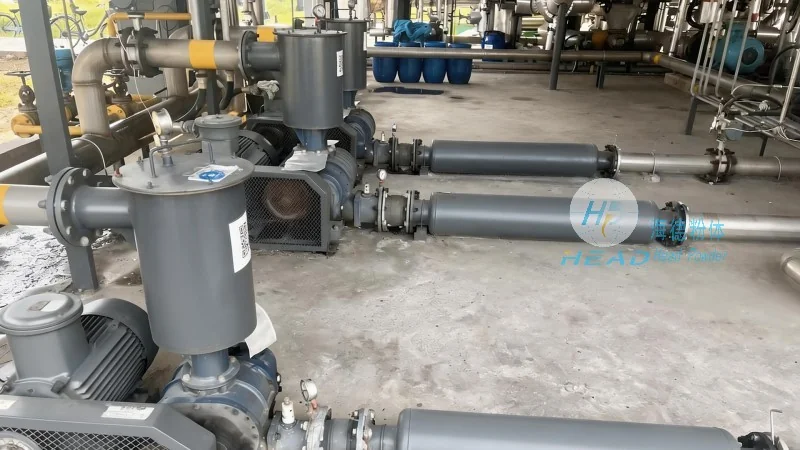
Recognizing the limitations of traditional dry lime conveying methods, HeadPowder has developed advanced pneumatic conveying systems tailored to the unique requirements of dry lime handling. Pneumatic conveying, which uses compressed air to transport dry materials through a pipeline, offers several advantages that address the challenges associated with conventional systems. One of the primary benefits is the ability to handle dry lime over long distances with minimal material degradation, as the material remains suspended in the air stream, reducing friction and abrasion. This method also eliminates the need for multiple transfer points, allowing for a more streamlined and compact system layout. Additionally, pneumatic conveying systems are highly effective in preventing dust emissions, as the material is contained within the pipeline, minimizing environmental impact and improving workplace safety. The technology is also adaptable to various industrial settings, from small-scale applications to large-scale industrial plants, making it a versatile solution for different production capacities.
Key Features of HeadPowder's Dry Lime Pneumatic Conveying Systems
HeadPowder's pneumatic conveying systems for dry lime are designed with several key features that enhance performance and reliability. The systems utilize high-efficiency air compressors and specialized pipeline components to ensure consistent material flow and minimal pressure drop. The use of flexible hoses and adjustable valves allows for easy integration with existing infrastructure, reducing installation time and costs. Furthermore, the systems are equipped with advanced control panels that provide real-time monitoring of pressure, flow rate, and material level, enabling operators to optimize the conveying process and prevent potential issues before they occur. The materials used in the construction of the pipelines and components are carefully selected to withstand the corrosive and abrasive properties of dry lime, ensuring long-term durability and minimal maintenance requirements. HeadPowder also offers customized solutions to meet specific customer needs, including variations in pipeline length, material flow rates, and system complexity, ensuring that each installation is tailored to the unique requirements of the application.
Case Studies and Real-World Applications
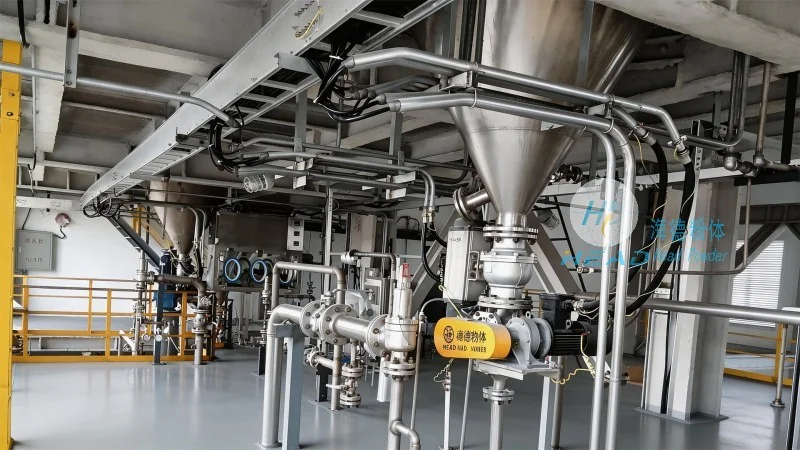
HeadPowder's pneumatic conveying systems have been successfully implemented in various industrial applications, demonstrating their effectiveness and reliability. For example, in a flue gas desulfurization plant, the company's system was installed to transport dry lime from storage silos to the reaction tower over a distance of 500 meters. The system successfully handled the material with minimal degradation, maintaining the required particle size distribution and ensuring consistent performance. In another application, a water treatment facility utilized HeadPowder's technology to convey dry lime to multiple dosing points, improving the efficiency of the treatment process and reducing operational costs. These case studies highlight the practical benefits of using pneumatic conveying for dry lime handling, including increased productivity, reduced maintenance, and improved material quality.
Conclusion: Choosing the Right Dry Lime Conveying Solution
When selecting a dry lime conveying method, it is essential to consider the specific requirements of the application, including material characteristics, distance, and system complexity. While traditional methods may be suitable for small-scale operations, pneumatic conveying offers a more efficient and reliable solution for larger industrial applications. HeadPowder's advanced pneumatic conveying systems provide a comprehensive solution for dry lime handling, combining technology, customization, and expertise to meet the diverse needs of industrial clients. By leveraging the benefits of pneumatic conveying, industries can improve operational efficiency, reduce costs, and enhance the overall performance of their dry lime handling systems. As a leading provider of dry lime handling solutions, HeadPowder continues to innovate and develop new technologies to meet the evolving needs of the industry, ensuring that customers have access to the most effective and reliable conveying solutions available.

 Công ty TNHH Kỹ thuật Công trình Bột Hải Đức Sơn Đông
 156-6277-7102(Quản lý Trương)
  0531-83386006
  Quận Chương Khâu, Thành phố Tế Nam, Tỉnh Sơn Đông, Trung Quốc
Điện thoại
WeChatTư vấn
Lên đầu