Công ty Hải Đức Bột với hơn 10 năm kinh nghiệm vận chuyển khí, cung cấp hệ thống‑thiết bị‑quạt gió và nhận dự án tổng thầu bột cả nước
When it comes to transporting dry stone powder, selecting the right conveying method is crucial for efficiency, cost-effectiveness, and operational safety. Various technologies are available, each with its own set of advantages and disadvantages. This article provides a detailed comparison of common dry stone powder conveying methods, helping you make an informed decision for your industrial applications.
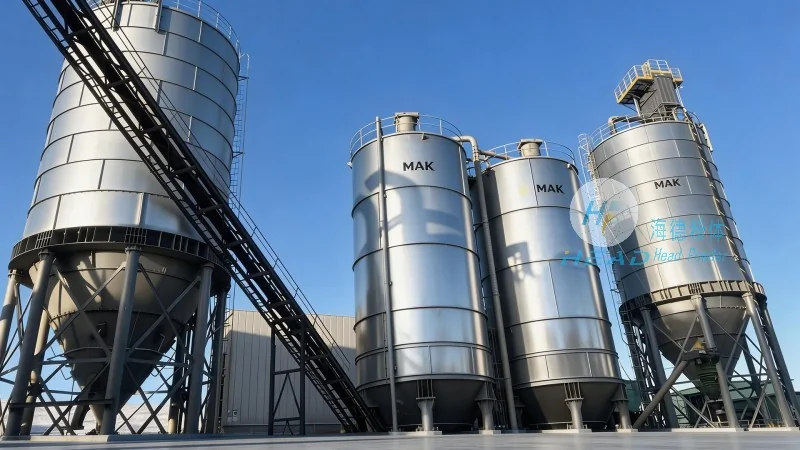
Overview of Dry Stone Powder Conveying Methods
Dry stone powder, often used in construction, mining, and manufacturing, requires reliable and efficient transport systems to move it from storage to processing or packaging areas. The choice of conveying method depends on factors such as material characteristics, distance, volume, and environmental considerations. Below, we explore several widely used methods and analyze their pros and cons.
Pneumatic Conveying Systems
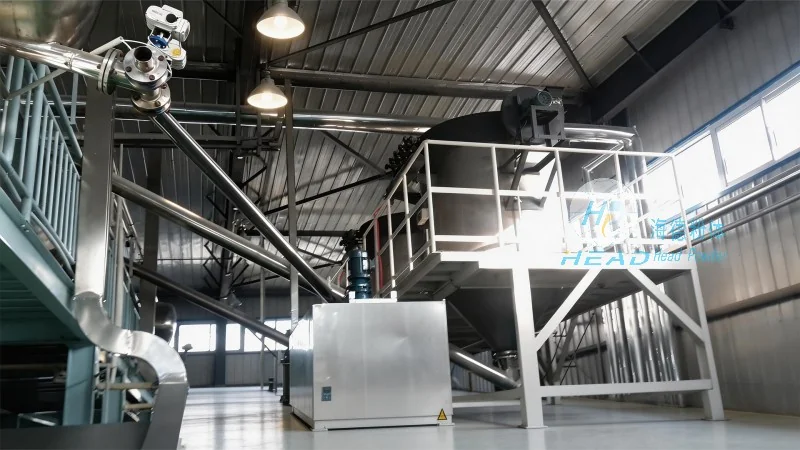
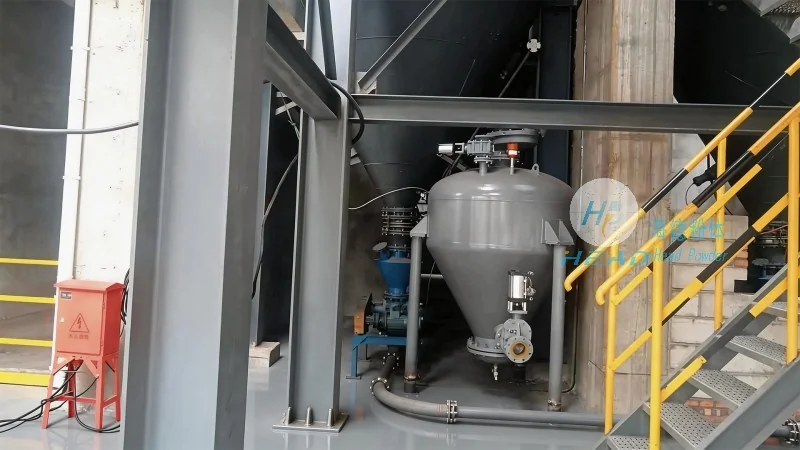
Pneumatic conveying uses air pressure to transport dry materials like stone powder through a pipeline. This method is particularly effective for fine powders and can handle long distances with minimal maintenance. The primary advantages include high flexibility, the ability to transport materials in a closed system, and reduced dust exposure. However, pneumatic systems require significant energy input to generate the necessary air pressure, and they may not be suitable for very coarse or abrasive materials, which can cause wear on the system components.
Screw Conveyors
Screw conveyors, also known as auger conveyors, use a rotating screw to move material along a trough. This method is ideal for horizontal or slightly inclined transport and is commonly used in bulk material handling. The advantages of screw conveyors include simplicity, low cost, and the ability to handle a wide range of materials, including dry stone powder. They are also relatively easy to install and maintain. The main disadvantages are that they are less effective for vertical lifting and may experience material buildup or blockages if the powder is too fine or has high moisture content.
Belt Conveyors
Belt conveyors use a continuous belt to transport materials over a series of rollers. They are widely used in various industries for both horizontal and inclined transport. The advantages of belt conveyors include high capacity, low maintenance, and the ability to transport materials over long distances. They are also suitable for transporting dry stone powder in bulk, making them a popular choice in mining and construction. However, belt conveyors require regular tensioning and cleaning to prevent material buildup and wear, and they may not be as efficient for very fine powders due to potential dust generation.
Bucket Elevators
Bucket elevators use a series of buckets attached to a chain or belt to lift materials vertically. This method is particularly effective for vertical transport and can handle high volumes of dry stone powder. The advantages include high lifting capacity, minimal material spillage, and the ability to transport materials over significant vertical distances. However, bucket elevators are more complex and expensive to install compared to other methods, and they require regular maintenance to ensure proper operation.
Comparison and Selection Criteria
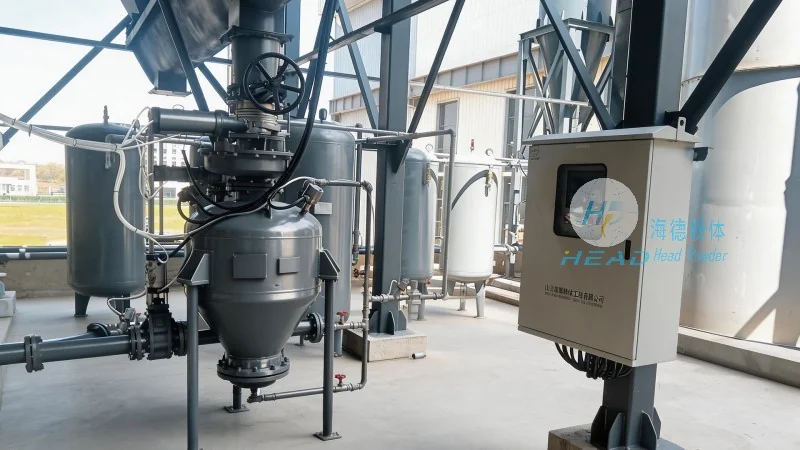
When choosing a dry stone powder conveying method, several factors should be considered. The material's characteristics, such as particle size, moisture content, and abrasiveness, play a critical role. For example, pneumatic systems are better suited for fine powders, while screw conveyors are more appropriate for bulkier materials. The distance and layout of the transport route also influence the choice, as some methods are more efficient for long horizontal distances, while others excel in vertical lifting. Cost is another key factor, with simpler systems like screw conveyors being more economical for short distances, whereas pneumatic systems may be more cost-effective for long-distance transport despite higher energy costs.
Conclusion
Each dry stone powder conveying method has its own set of advantages and disadvantages, and the best choice depends on the specific requirements of your application. By understanding the pros and cons of each method, you can select the most suitable system to ensure efficient, safe, and cost-effective material transport. Whether you opt for pneumatic, screw, belt, or bucket elevators, the goal is to achieve reliable performance while minimizing operational challenges.

 Công ty TNHH Kỹ thuật Công trình Bột Hải Đức Sơn Đông
 156-6277-7102(Quản lý Trương)
  0531-83386006
  Quận Chương Khâu, Thành phố Tế Nam, Tỉnh Sơn Đông, Trung Quốc
Điện thoại
WeChatTư vấn
Lên đầu