Công ty Hải Đức Bột với hơn 10 năm kinh nghiệm vận chuyển khí, cung cấp hệ thống‑thiết bị‑quạt gió và nhận dự án tổng thầu bột cả nước
Caustic soda, also known as sodium hydroxide, is a widely used chemical in various industrial applications. The efficient and safe transportation of this corrosive substance is crucial for industries that rely on it. This article provides a detailed comparison of common caustic soda transportation methods, highlighting their advantages and disadvantages to help businesses make informed decisions.
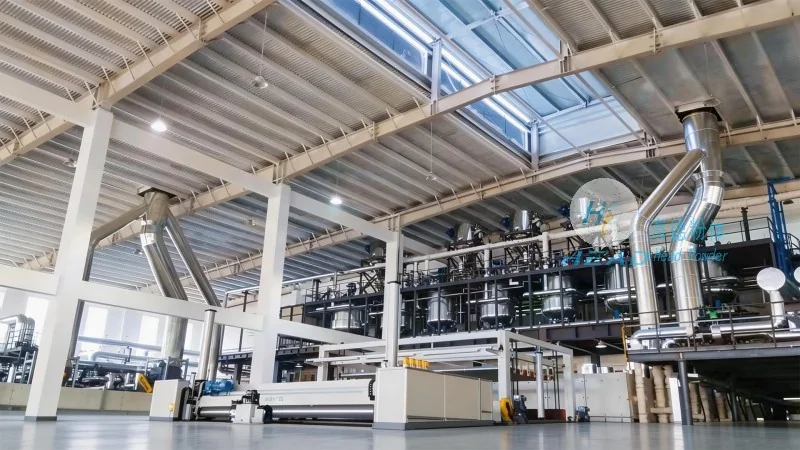
Introduction to Caustic Soda Transportation
Caustic soda is typically transported in bulk quantities due to its high demand in manufacturing processes. The choice of transportation method depends on factors such as distance, volume, cost, and the specific requirements of the end-user. Common methods include pipeline transportation, road transport via tank trucks, and packaging in containers for smaller quantities. Each method has its own set of benefits and drawbacks, which are discussed below.
About HeadPowder: Your Trusted Partner in Chemical Solutions
HeadPowder, a leading provider of chemical engineering solutions, specializes in the handling and transportation of caustic soda and other industrial chemicals. With a strong presence in China, particularly in Shandong province, HeadPowder offers comprehensive services tailored to meet the diverse needs of clients. The company's commitment to safety, efficiency, and quality ensures that caustic soda is transported in compliance with industry standards and regulations.
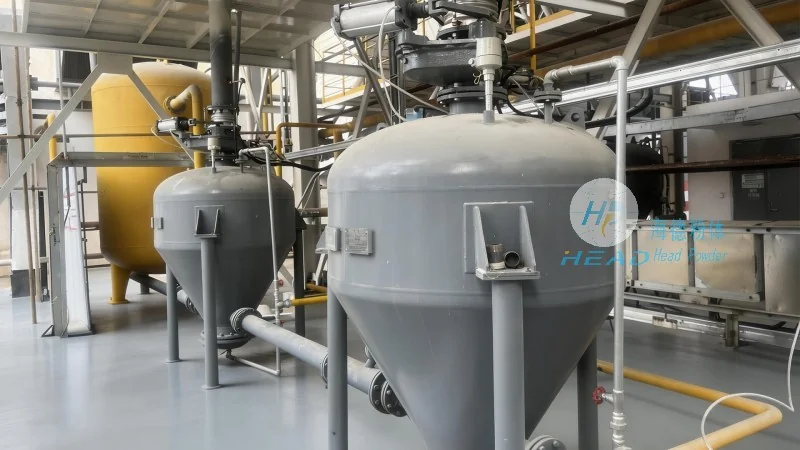
Pipeline Transportation: A High-Volume, Low-Cost Solution
Pipeline transportation is a primary method for moving large volumes of caustic soda over long distances. This method involves pumping the chemical through a network of pipes, which can be integrated into existing industrial infrastructure. The advantages of pipeline transport include high capacity, reduced labor costs, and minimal risk of spillage compared to other methods. However, it requires significant upfront investment in pipeline construction and maintenance. Additionally, pipeline systems are less flexible and cannot be easily rerouted, which may limit their use in certain applications.
Truck Tanker Transport: Flexible and Versatile for Short to Medium Distances
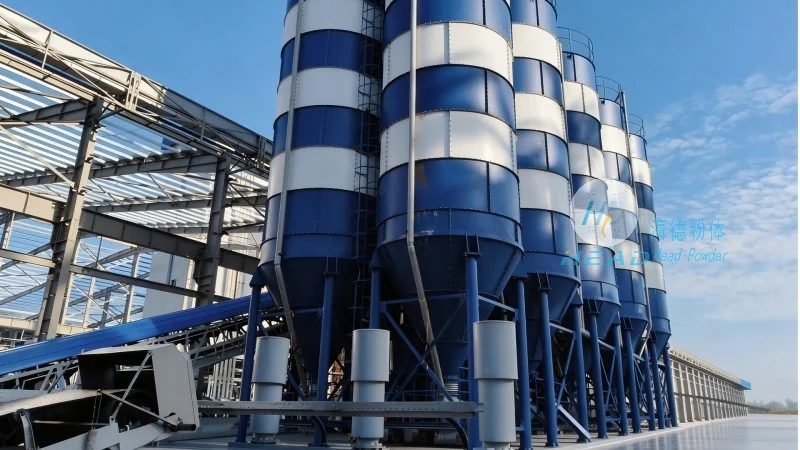
Truck tanker transport is a widely used method for delivering caustic soda to customers who are not connected to a pipeline system. Tank trucks are specially designed to carry corrosive liquids, featuring robust materials like stainless steel or lined tanks to prevent leakage. This method offers flexibility in terms of delivery schedules and locations, making it suitable for both urban and remote areas. The advantages of truck transport include lower initial costs compared to pipelines and the ability to serve multiple customers along a route. However, it is generally more expensive per unit volume than pipeline transport and may be subject to traffic congestion and regulatory restrictions on road transport.
Containerized Transport: Ideal for Smaller Quantities and Specialized Needs
For smaller volumes or applications requiring more control over the handling process, containerized transport is often used. Caustic soda can be packaged in specialized containers such as plastic drums, metal drums, or IBC tanks, which are designed to withstand the chemical's corrosive properties. This method is advantageous for customers who need to store the chemical on-site or for short-term projects. The benefits include ease of handling, reduced risk of damage during transit, and the ability to transport the chemical to specific locations without the need for extensive infrastructure. However, containerized transport is typically more expensive per unit than bulk methods and may have higher handling costs due to the need for specialized equipment.
Comparative Analysis of Transportation Methods
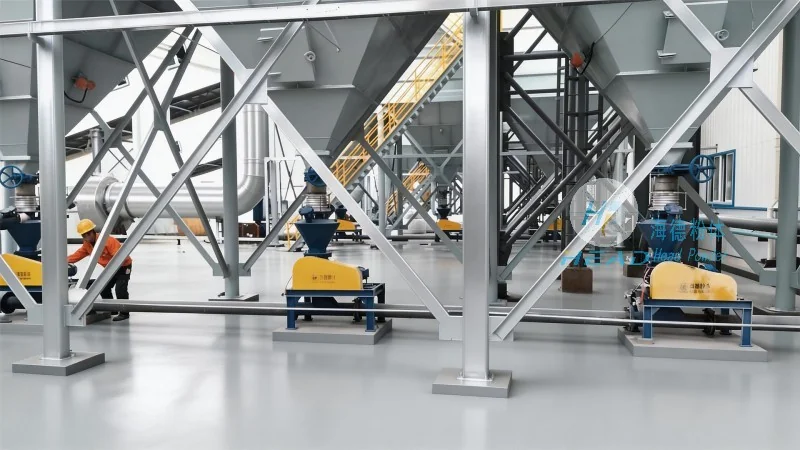
When evaluating the different caustic soda transportation methods, several factors must be considered. Pipeline transport is the most cost-effective for high-volume, long-distance applications but requires significant capital investment. Truck tanker transport offers flexibility and is suitable for shorter distances or when a pipeline is not available, though it incurs higher operational costs. Containerized transport is ideal for smaller quantities or specialized needs, providing convenience and control but at a higher cost per unit. The choice of method ultimately depends on the specific requirements of the business, including the volume of caustic soda needed, the distance to be covered, and the budget available for transportation.
Conclusion
Choosing the right caustic soda transportation method is critical for ensuring efficiency, safety, and cost-effectiveness in industrial operations. By understanding the advantages and disadvantages of each method, businesses can select the most appropriate option for their needs. HeadPowder, with its expertise in chemical handling and transportation, can provide guidance and support to help clients make informed decisions and optimize their caustic soda supply chain.

 Công ty TNHH Kỹ thuật Công trình Bột Hải Đức Sơn Đông
 156-6277-7102(Quản lý Trương)
  0531-83386006
  Quận Chương Khâu, Thành phố Tế Nam, Tỉnh Sơn Đông, Trung Quốc
Điện thoại
WeChatTư vấn
Lên đầu