Công ty Hải Đức Bột với hơn 10 năm kinh nghiệm vận chuyển khí, cung cấp hệ thống‑thiết bị‑quạt gió và nhận dự án tổng thầu bột cả nước
When it comes to efficiently transporting corn from one location to another, selecting the right conveying method is crucial for maximizing productivity and minimizing operational costs. Various technologies are available, each with its own set of advantages and disadvantages. This article provides a detailed comparison of common corn conveying methods, helping you make an informed decision based on your specific needs.
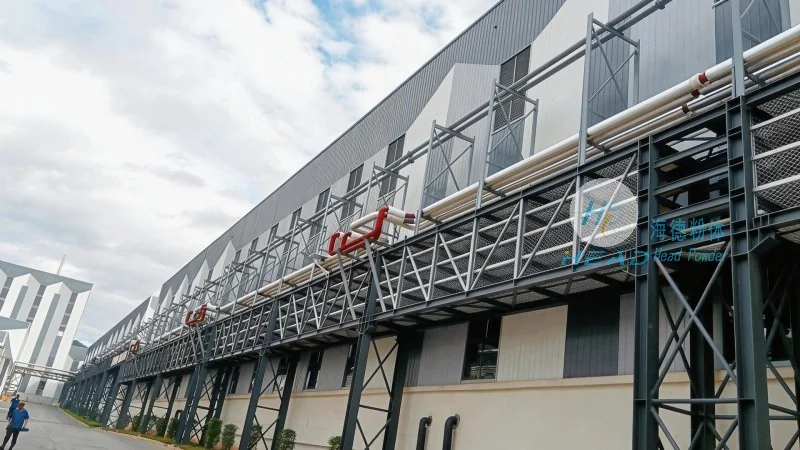
Overview of Corn Conveying Methods
Before diving into the specifics, it's important to understand that corn conveying systems are designed to handle different volumes, distances, and environmental conditions. The most common methods include belt conveyors, screw conveyors, and pneumatic (air) conveyors. Each of these systems has been refined over decades to meet the demands of modern agriculture and processing industries.
Belt Conveyors: The Workhorse of Bulk Material Handling
Belt conveyors are widely used in corn handling due to their high capacity and ability to transport materials over long distances. These systems consist of a continuous loop of belt that moves over rollers or pulleys. The primary advantage of belt conveyors is their efficiency in moving large quantities of corn quickly and with minimal labor. They are particularly suitable for horizontal or slightly inclined transport, making them ideal for farms and processing plants where corn needs to be moved from storage to processing areas.
However, belt conveyors also have some drawbacks. They require regular maintenance to keep the belt in good condition, as wear and tear can lead to breakdowns. Additionally, they may not be as effective for vertical lifting, as the belt can stretch or slip under heavy loads. The initial investment for a belt conveyor system is also higher compared to some other options, which can be a consideration for smaller operations.
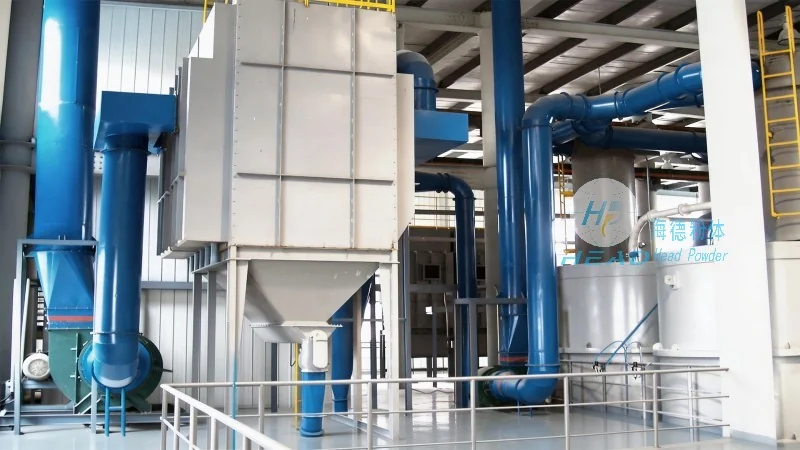
Screw Conveyors: Compact and Versatile Solutions
Screw conveyors, also known as auger conveyors, use a rotating screw to move corn through a tube or trough. This method is particularly effective for vertical or inclined transport, as the screw can lift materials without the need for additional equipment. One of the key advantages of screw conveyors is their compact design, which makes them suitable for spaces with limited room. They are also relatively simple to install and maintain, with fewer moving parts compared to belt conveyors.
Despite their versatility, screw conveyors have limitations. They are not as efficient for high-volume horizontal transport, as the screw can cause friction and heat buildup, potentially damaging the corn. Additionally, they may not be suitable for transporting corn with high moisture content, as the screw can compact the material and lead to blockages. The capacity of screw conveyors is also generally lower than that of belt conveyors, making them more suitable for smaller-scale operations.
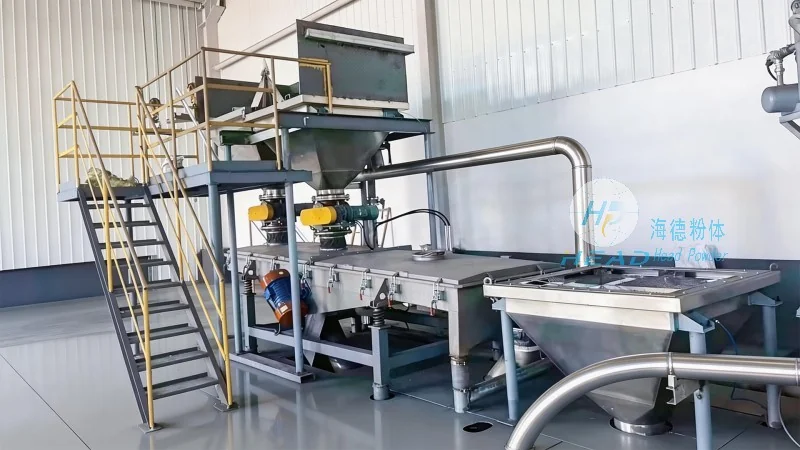
Pneumatic (Air) Conveyors: High-Capacity and Dust-Free Transport
Pneumatic conveyors use air pressure to move corn through a pipeline system. This method is ideal for applications where dust control is a priority, as the material is enclosed within the pipeline. The primary advantage of pneumatic conveyors is their ability to transport corn over long distances with minimal loss of quality. They are also suitable for vertical and horizontal transport, making them versatile for various industrial settings.
However, pneumatic conveyors have significant drawbacks. They require a substantial amount of energy to operate, as the air pressure needed to move the corn can be high. This increases operational costs, especially for large-scale operations. Additionally, the system is more complex to install and maintain, as it involves air compressors and filtration systems. The initial investment for a pneumatic conveyor is also higher compared to other methods, and the system may not be as effective for very fine or powdery corn.
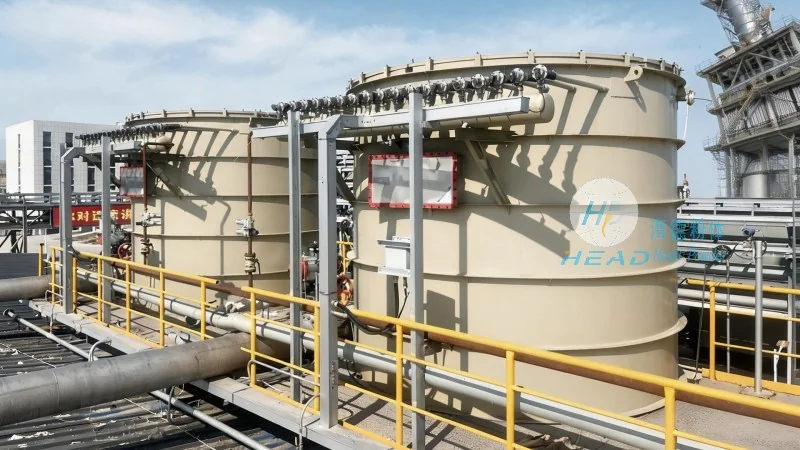
Choosing the Right Corn Conveying Method
When selecting a corn conveying method, several factors should be considered, including the volume of corn to be transported, the distance and elevation changes, the available space, and the budget. For large-scale horizontal transport over long distances, belt conveyors are often the best choice due to their high capacity and efficiency. For vertical or inclined transport in compact spaces, screw conveyors offer a more suitable solution. Pneumatic conveyors are ideal for applications where dust control and enclosed transport are critical, such as in food processing plants.
HeadPowder Engineering: Your Partner in Corn Conveying Solutions
At Shandong HeadPowder Engineering Co., Ltd., we understand the importance of choosing the right corn conveying system for your operations. With years of experience in the industry, our team of experts provides customized solutions tailored to your specific needs. Whether you require a belt conveyor, screw conveyor, or pneumatic system, we offer high-quality equipment designed to meet the demands of modern corn handling. Our commitment to quality and customer satisfaction ensures that you receive a reliable and efficient conveying system that enhances your productivity and reduces operational costs.
Based in Shandong, China, HeadPowder Engineering is dedicated to providing innovative and effective solutions for corn conveying. Our products are designed to withstand the rigors of daily use and are backed by our expertise in the field. By choosing HeadPowder, you are choosing a partner that understands the challenges of corn handling and is committed to helping you achieve your goals.

 Công ty TNHH Kỹ thuật Công trình Bột Hải Đức Sơn Đông
 156-6277-7102(Quản lý Trương)
  0531-83386006
  Quận Chương Khâu, Thành phố Tế Nam, Tỉnh Sơn Đông, Trung Quốc
Điện thoại
WeChatTư vấn
Lên đầu