Công ty Hải Đức Bột với hơn 10 năm kinh nghiệm vận chuyển khí, cung cấp hệ thống‑thiết bị‑quạt gió và nhận dự án tổng thầu bột cả nước
Dye delivery is a critical process in various industrial applications, including textile manufacturing, printing, and chemical processing. The choice of delivery method significantly impacts efficiency, cost, and product quality. This article provides a detailed comparison of common dye delivery methods, highlighting their advantages and disadvantages to help industrial operators make informed decisions.
Company Profile: Shandong HeadPowder Engineering Co., Ltd.
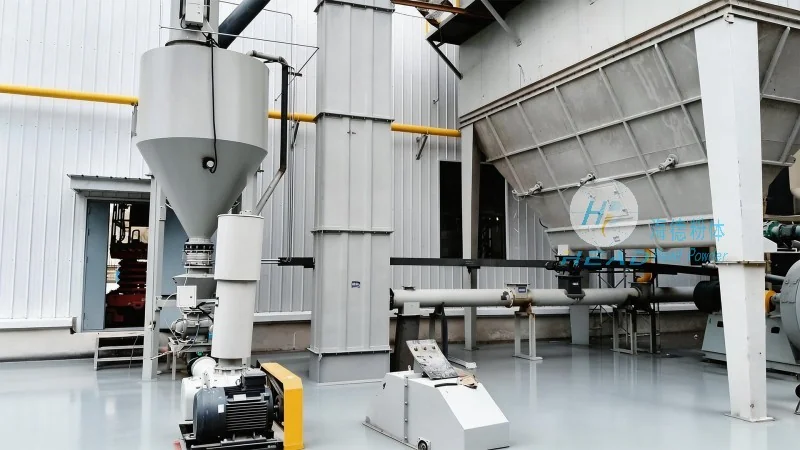
HeadPowder, a leading manufacturer in the field of powder and liquid handling systems, specializes in providing customized solutions for dye delivery and processing. With a strong commitment to innovation and quality, HeadPowder has established itself as a trusted partner for industries seeking reliable and efficient dye handling solutions. The company’s headquarters is located in Shandong, China, where it leverages advanced technology and expertise to develop cutting-edge equipment for the dye industry.
Common Dye Delivery Methods and Their Analysis
Dye delivery methods can be broadly categorized into several types, each with distinct characteristics and applications. The primary methods include positive pressure pumping, vacuum suction, gravity flow, and pneumatic conveying. Each method has its own set of advantages and disadvantages, which are discussed below to help users select the most suitable option for their specific needs.
1. Positive Pressure Pumping
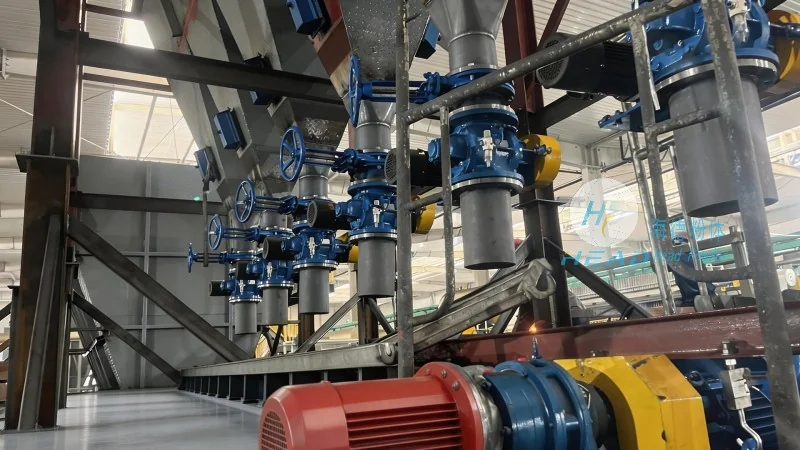
Positive pressure pumping is one of the most widely used methods for dye delivery. This method involves using a pump to force dye from a storage tank or container to the point of use. The pump generates positive pressure, ensuring consistent flow and preventing air bubbles from entering the system. HeadPowder offers advanced positive pressure pumps, such as diaphragm pumps and centrifugal pumps, which are designed to handle various types of dyes, including viscous and high-solid-content dyes.
The advantages of positive pressure pumping include high flow rates, consistent pressure, and the ability to handle a wide range of dye viscosities. It is particularly suitable for applications requiring high pressure and precise control, such as in textile dyeing and printing. However, this method has some drawbacks. It may require more maintenance compared to other methods, as pumps need regular checks and servicing. Additionally, the cost of equipment and energy consumption can be higher, especially for large-scale operations.
2. Vacuum Suction
Vacuum suction, also known as negative pressure or suction pumping, uses a vacuum to draw dye from a container into the delivery system. This method is often used in applications where the dye needs to be transferred from a lower level to a higher one or when the system requires a gentle handling of delicate dyes. HeadPowder’s vacuum suction systems are designed with high-efficiency vacuum pumps and appropriate filtration to ensure clean and efficient dye transfer.
The main advantage of vacuum suction is its ability to handle dyes without the need for high pressure, reducing the risk of damage to sensitive materials. It is also relatively simple to install and operate, making it a cost-effective option for smaller-scale operations. However, this method has limitations. The flow rate is generally lower compared to positive pressure pumping, and it may not be suitable for thick or viscous dyes. Additionally, the system requires a vacuum source, which can add to the overall complexity and maintenance needs.
3. Gravity Flow
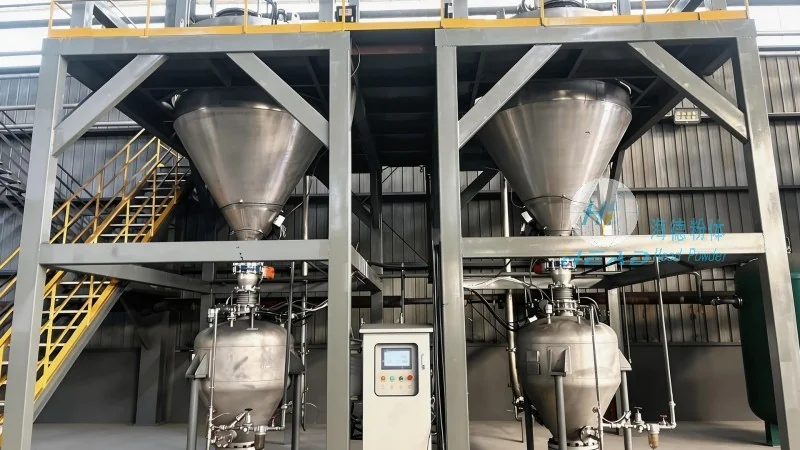
Gravity flow, or gravity-fed systems, rely on the natural force of gravity to move dye from a higher to a lower level. This method is typically used for low-viscosity dyes and in applications where the dye is stored in elevated tanks. HeadPowder’s gravity flow systems are designed with appropriate tank designs and piping to ensure smooth and unobstructed flow. The systems often include level sensors and flow control valves to maintain consistent delivery rates.
The primary advantage of gravity flow is its simplicity and low operational cost, as it does not require any moving parts or external power sources. It is an ideal choice for applications with minimal space constraints and where the dye is already stored at an appropriate height. However, this method has significant limitations. It is only suitable for dyes with low viscosity and cannot handle thick or high-solid-content dyes. The flow rate is also dependent on the height difference between the storage tank and the point of use, and any changes in the dye level can affect the delivery rate.
4. Pneumatic Conveying
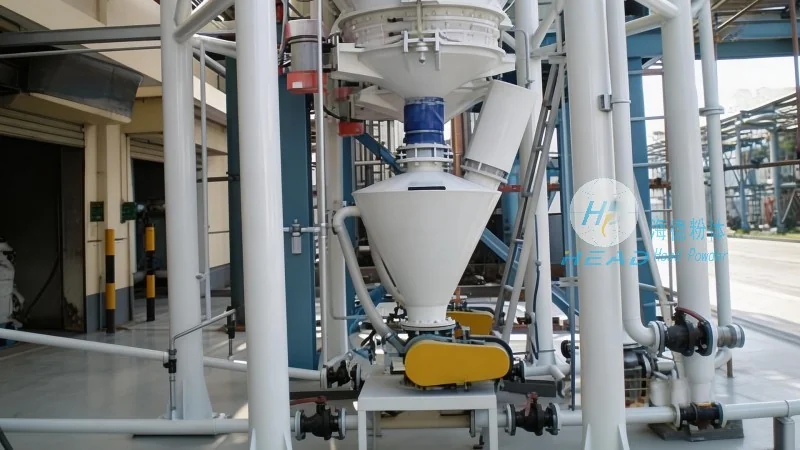
Pneumatic conveying uses compressed air to transport dye particles or liquids through a pipeline. This method is commonly used for dry dye powders and granules, as well as for liquid dyes in some cases. HeadPowder offers advanced pneumatic conveying systems, including dilute phase and dense phase systems, which are designed to handle various types of dyes efficiently.
The advantages of pneumatic conveying include the ability to transport dyes over long distances without the need for multiple pumps. It is also suitable for handling abrasive or corrosive dyes, as the system can be designed with appropriate materials of construction. However, this method has some drawbacks. The energy consumption is relatively high due to the need for compressed air, and the system can be more complex to maintain. Additionally, the flow rate may vary depending on the air pressure and the characteristics of the dye being conveyed.
Conclusion and Recommendations
Choosing the right dye delivery method depends on several factors, including the type of dye, the required flow rate, the distance to be covered, and the operational environment. Positive pressure pumping is ideal for high-pressure and high-flow applications, while vacuum suction is suitable for gentle handling and smaller-scale operations. Gravity flow is a cost-effective option for low-viscosity dyes, and pneumatic conveying is best for long-distance transport of dry or liquid dyes.
HeadPowder, with its expertise in dye handling systems, offers comprehensive solutions tailored to meet the specific needs of industrial clients. By understanding the advantages and disadvantages of each delivery method, operators can select the most efficient and cost-effective solution for their dye processing requirements. Whether it is for textile dyeing, printing, or chemical processing, HeadPowder’s advanced equipment and technical support ensure reliable and high-quality dye delivery.

 Công ty TNHH Kỹ thuật Công trình Bột Hải Đức Sơn Đông
 156-6277-7102(Quản lý Trương)
  0531-83386006
  Quận Chương Khâu, Thành phố Tế Nam, Tỉnh Sơn Đông, Trung Quốc
Điện thoại
WeChatTư vấn
Lên đầu