Công ty Hải Đức Bột với hơn 10 năm kinh nghiệm vận chuyển khí, cung cấp hệ thống‑thiết bị‑quạt gió và nhận dự án tổng thầu bột cả nước
When it comes to the efficient handling and transportation of soybean protein powder, selecting the right method is crucial for maintaining product quality and operational efficiency. This article explores the various approaches that can be employed for transporting soybean protein powder, providing insights into the options available for businesses in the industry.
Understanding the Importance of Proper Transportation
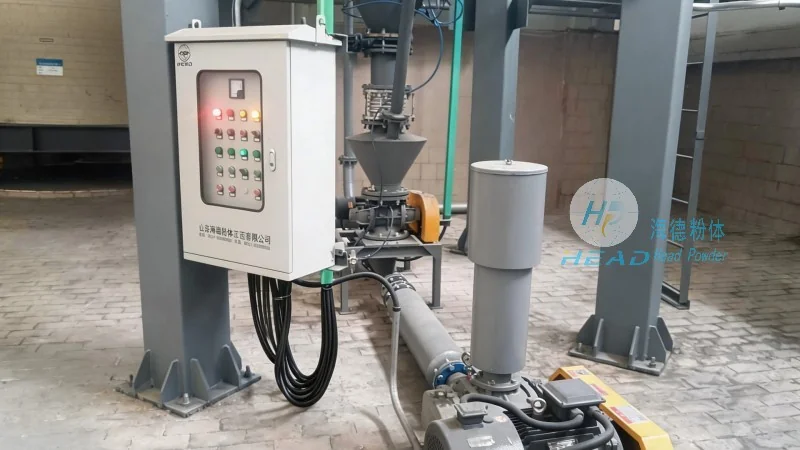
Proper transportation of soybean protein powder is essential to preserve its nutritional value, texture, and overall quality. Soybean protein powder is a sensitive product that can be affected by temperature, moisture, and physical handling during transit. Therefore, choosing an appropriate transportation method is vital to ensure that the final product meets the required standards for use in food, feed, and other applications.
Common Transportation Methods for Soybean Protein Powder
Several methods are commonly used for transporting soybean protein powder, each with its own advantages and considerations. The choice of method often depends on factors such as the volume of product to be transported, the distance involved, and the specific requirements of the end-user.
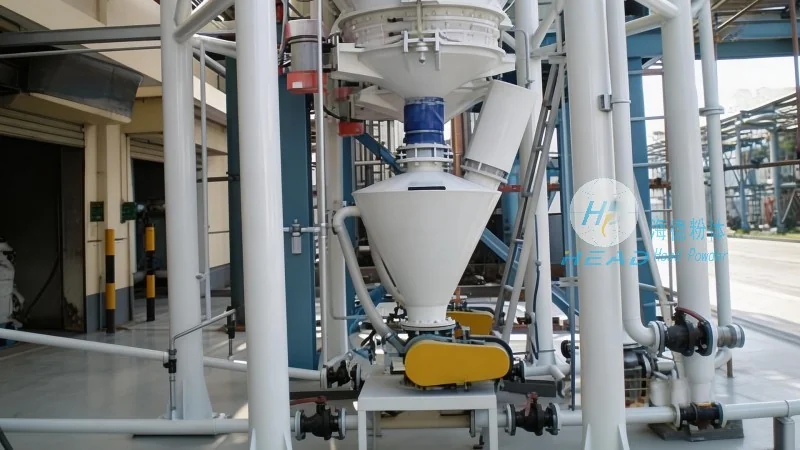
1. Bulk Tankers and Silos
Bulk tankers and silos are widely used for the large-scale transportation of soybean protein powder. These systems are designed to handle high volumes of powder and can be equipped with features like agitators to prevent caking and maintain a consistent flow. The use of stainless steel or food-grade materials in the construction of these tanks ensures that the product remains free from contamination and retains its quality throughout the transportation process.
2. Bagged Transportation
For smaller quantities or when direct delivery to end-users is required, bagged transportation is a common method. Soybean protein powder is typically packaged in high-density polyethylene (HDPE) bags or multi-layered paper bags, which are designed to be moisture-resistant and airtight. This method allows for easy handling and storage at the destination, making it suitable for both industrial and commercial applications.
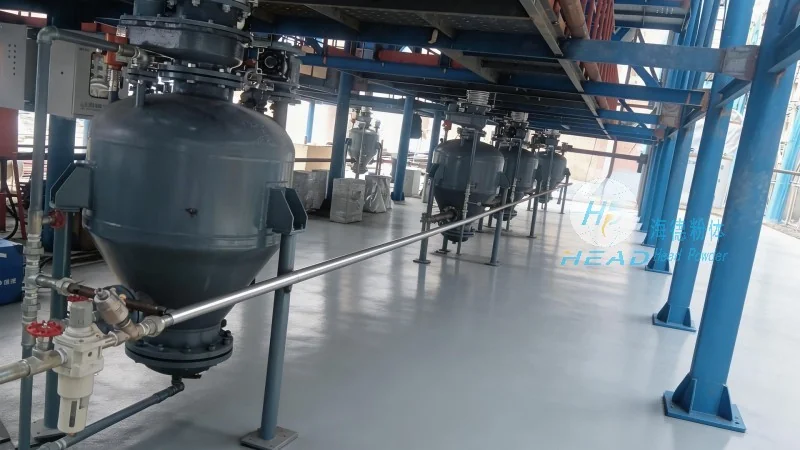
3. Pneumatic Conveying Systems
Pneumatic conveying systems use air pressure to transport soybean protein powder through a network of pipes. This method is particularly effective for moving powder over short to medium distances and can be integrated with existing production lines. Pneumatic systems offer advantages such as reduced labor costs, minimal product degradation, and the ability to handle fine powders without the need for mechanical components that could cause contamination.
4. Truck and Rail Transport
Truck and rail transport are traditional methods for moving soybean protein powder over longer distances. Trucks can be equipped with specialized trailers that maintain controlled temperature and humidity levels, ensuring that the product remains stable during transit. Rail transport, on the other hand, is often used for bulk shipments, providing a cost-effective solution for moving large quantities of soybean protein powder across regions. Both methods require careful planning to ensure that the product is handled gently and that the transportation conditions are optimized for the powder's characteristics.
5. Containerized Shipping
For international trade, containerized shipping is a popular option for transporting soybean protein powder. Standard shipping containers are used, often with additional insulation or climate control features to protect the product from temperature fluctuations during sea or land transport. This method allows for secure and efficient handling of the product, ensuring that it reaches its destination in optimal condition.
Choosing the Right Transportation Method for Your Business
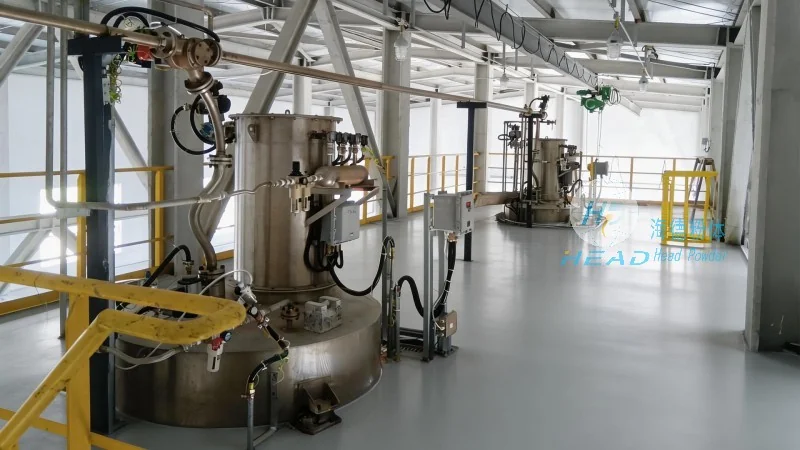
When selecting a transportation method for soybean protein powder, it is important to consider several factors. The volume of the shipment, the distance to the destination, and the specific needs of the end-user are all critical considerations. Additionally, the cost of transportation, the time required for delivery, and the ability to maintain product quality during transit should be evaluated. By carefully assessing these factors, businesses can choose the most suitable method that balances efficiency, cost, and product integrity.
Conclusion
Efficient transportation of soybean protein powder is a key aspect of the supply chain, ensuring that the product reaches its intended market in the best possible condition. Whether using bulk tankers, bagged systems, pneumatic conveyors, or traditional truck and rail transport, the goal is to maintain the quality and integrity of the soybean protein powder throughout the process. By selecting the appropriate method and implementing proper handling procedures, businesses can enhance their operational efficiency and meet the demands of their customers effectively.

 Công ty TNHH Kỹ thuật Công trình Bột Hải Đức Sơn Đông
 156-6277-7102(Quản lý Trương)
  0531-83386006
  Quận Chương Khâu, Thành phố Tế Nam, Tỉnh Sơn Đông, Trung Quốc
Điện thoại
WeChatTư vấn
Lên đầu