Công ty Hải Đức Bột với hơn 10 năm kinh nghiệm vận chuyển khí, cung cấp hệ thống‑thiết bị‑quạt gió và nhận dự án tổng thầu bột cả nước
Flaky graphite powder, a material widely used in various industrial applications due to its excellent lubricating properties and electrical conductivity, often requires efficient and reliable conveying methods to ensure smooth operation in processing lines. The choice of conveying method for flaky graphite powder is crucial as it directly impacts production efficiency, material quality, and operational costs. This article explores several effective methods for conveying flaky graphite powder, providing insights into the technical aspects and practical considerations for different industrial settings.
Understanding Flaky Graphite Powder and Its Conveying Challenges
Flaky graphite, also known as crystalline graphite, consists of thin, plate-like sheets that give it unique physical properties. These properties, while beneficial for applications such as lubricants, refractory materials, and battery anodes, also present challenges during handling and transportation. The fine, powdery nature of flaky graphite makes it prone to dust formation, agglomeration, and loss of material during conventional conveying processes. Additionally, the material's low bulk density and tendency to stick to surfaces require specialized equipment and techniques to maintain consistent flow and prevent blockages. Recognizing these challenges is essential for selecting the most appropriate conveying method for flaky graphite powder.
Common Conveying Methods for Flaky Graphite Powder
Several methods are commonly employed for the efficient transport of flaky graphite powder. The selection of a method depends on factors such as the scale of operation, the required conveying distance, the material's characteristics, and the specific requirements of the downstream process. Key methods include mechanical conveying systems, pneumatic conveying systems, and specialized equipment designed for handling fine powders.
Mechanical Conveying Systems
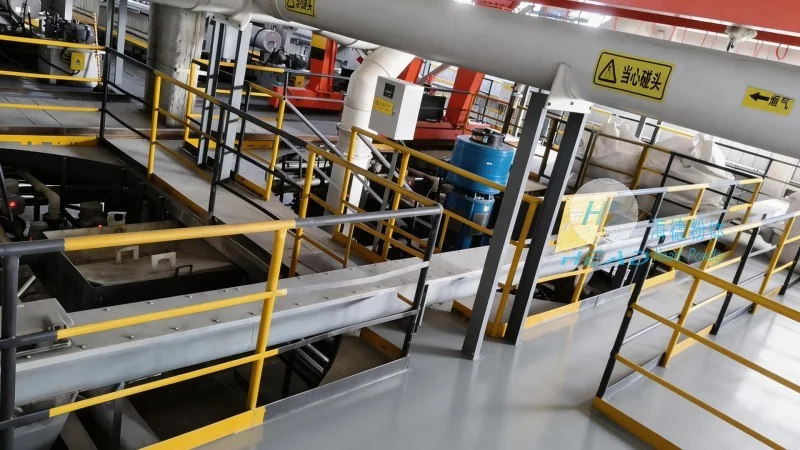
Mechanical conveying systems utilize mechanical components to move flaky graphite powder. These systems are typically suitable for short to medium conveying distances and are commonly used in bulk material handling applications. One of the most common mechanical methods is the use of screw conveyors, which consist of a rotating screw inside a trough. The screw transports the powder forward by pushing it along the trough. Screw conveyors are particularly effective for flaky graphite powder as they can handle the material's tendency to stick to surfaces by providing consistent, low-speed rotation that minimizes agglomeration. Another mechanical option is the belt conveyor, which uses a continuous belt to transport the powder. Belt conveyors are ideal for horizontal or slightly inclined transport and can handle larger quantities of material. However, they may require additional equipment, such as feeders and classifiers, to maintain the material's quality and prevent segregation.
Pneumatic Conveying Systems
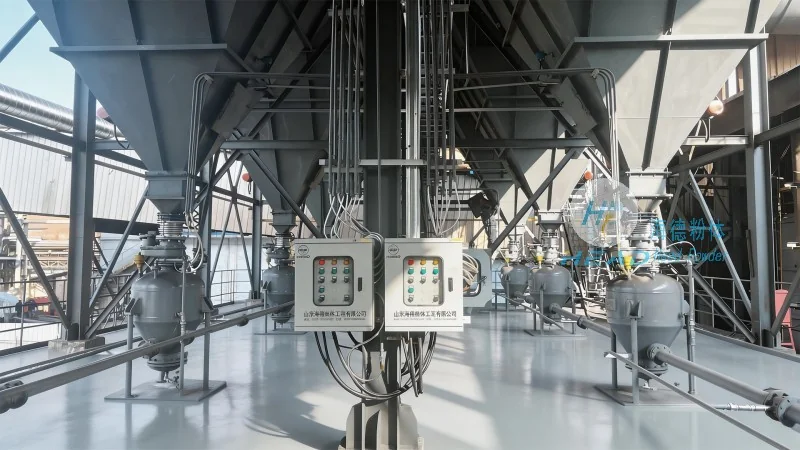
Pneumatic conveying systems use air or other gases to transport flaky graphite powder. These systems are highly effective for long-distance conveying and are particularly useful when the material needs to be transported through vertical or complex pathways. There are two main types of pneumatic conveying: dilute-phase and dense-phase. Dilute-phase systems use low-pressure air to move the powder in a dispersed state, which is suitable for short to medium distances and moderate material flow rates. Dense-phase systems, on the other hand, use higher pressure air to transport the powder in a concentrated state, which is ideal for long-distance conveying and when the material is prone to segregation. Pneumatic conveying systems offer advantages such as low maintenance costs, the ability to handle fine powders without additional equipment, and the option to integrate with other processing steps. However, they may require more energy compared to mechanical systems and can be susceptible to pressure drops and material buildup in the pipeline.
Specialized Equipment for Fine Powder Handling
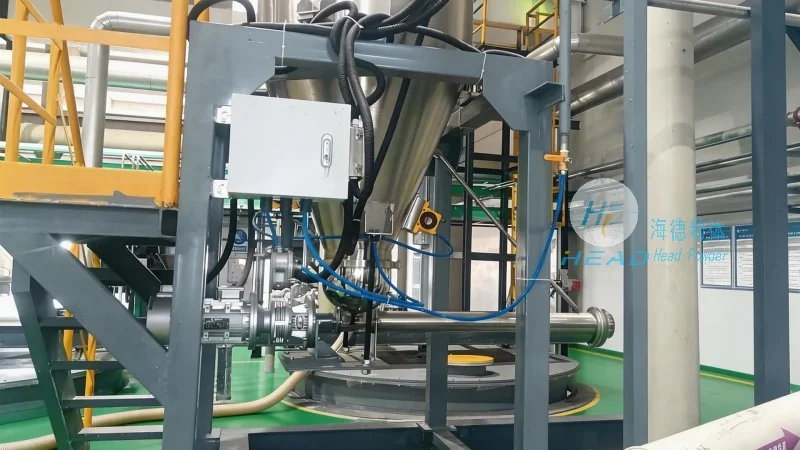
For flaky graphite powder, specialized equipment is often necessary to address the material's unique properties. One such equipment is the rotary valve, which is used to control the flow of material from a storage silo or hopper. Rotary valves are designed to handle fine powders by using a rotating disc or gate to regulate the material discharge. This equipment helps maintain a consistent flow rate and prevents the material from sticking to the valve components. Another specialized device is the airlock feeder, which is used to feed flaky graphite powder into pneumatic conveying systems. Airlock feeders use a combination of air and mechanical action to move the powder, ensuring a smooth and controlled flow. These specialized systems are crucial for maintaining the quality of flaky graphite powder during conveying and preventing issues such as dust generation and material loss.
Considerations for Selecting the Right Conveying Method
When choosing a conveying method for flaky graphite powder, several factors must be considered to ensure optimal performance and efficiency. The first consideration is the conveying distance and the layout of the processing facility. Short distances may be suitable for mechanical systems, while long distances or complex pathways may require pneumatic systems. The second factor is the material's characteristics, including its bulk density, flowability, and tendency to agglomerate. Materials with low bulk density and poor flowability may require specialized equipment or additives to improve their handling properties. The third consideration is the required flow rate and the capacity of the conveying system. High flow rates may necessitate larger equipment or multiple conveying lines. Additionally, the cost of the system, including initial investment and maintenance, should be evaluated against the benefits of improved efficiency and material quality. By carefully evaluating these factors, industrial operators can select the most appropriate conveying method for flaky graphite powder, ensuring smooth and reliable operation in their processing lines.
Conclusion
In conclusion, the effective conveying of flaky graphite powder is essential for the efficient operation of industrial processes. Various methods, including mechanical and pneumatic systems, as well as specialized equipment, are available to handle the unique properties of this material. The choice of method depends on several factors, including the conveying distance, material characteristics, and operational requirements. By selecting the appropriate conveying system, industrial operators can maintain the quality of flaky graphite powder, reduce operational costs, and improve overall production efficiency. As a leading provider of material handling solutions, Shandong HeadPowder Engineering Co., Ltd. specializes in designing and manufacturing customized conveying systems tailored to the specific needs of flaky graphite powder applications. With years of experience and expertise in the field, HeadPowder offers reliable and efficient solutions to meet the diverse requirements of industrial clients.

 Công ty TNHH Kỹ thuật Công trình Bột Hải Đức Sơn Đông
 156-6277-7102(Quản lý Trương)
  0531-83386006
  Quận Chương Khâu, Thành phố Tế Nam, Tỉnh Sơn Đông, Trung Quốc
Điện thoại
WeChatTư vấn
Lên đầu