Công ty Hải Đức Bột với hơn 10 năm kinh nghiệm vận chuyển khí, cung cấp hệ thống‑thiết bị‑quạt gió và nhận dự án tổng thầu bột cả nước
When it comes to handling and transporting aluminum oxide particles, selecting the right conveying method is crucial for efficiency, cost-effectiveness, and operational safety. Aluminum oxide, commonly used in industrial applications such as refractory materials, abrasives, and ceramics, presents unique challenges due to its particle size, density, and chemical properties. The choice of conveying method depends on factors like particle size distribution, flow rate requirements, system layout, and the desired level of dust control. This article explores various methods for conveying aluminum oxide particles, highlighting the advantages and considerations for each approach. As a leading provider of material handling solutions, Shandong HeadPowder Engineering Co., Ltd. specializes in designing and implementing efficient conveying systems tailored to the specific needs of industrial clients.
Key Factors Influencing Conveying Method Selection
Before delving into specific conveying techniques, it is essential to consider several key factors that influence the selection process. Particle size and shape play a significant role; fine powders may require specialized equipment to prevent clogging and ensure consistent flow. The density and bulk density of aluminum oxide also affect the power requirements and system design. Additionally, the required flow rate and distance of transport are critical parameters. Environmental regulations and dust control measures are another important consideration, as aluminum oxide can be a respiratory hazard if not handled properly. Finally, the overall system cost, including equipment, installation, and maintenance, must be evaluated against the operational needs.
1. Air-Pneumatic Conveying Systems
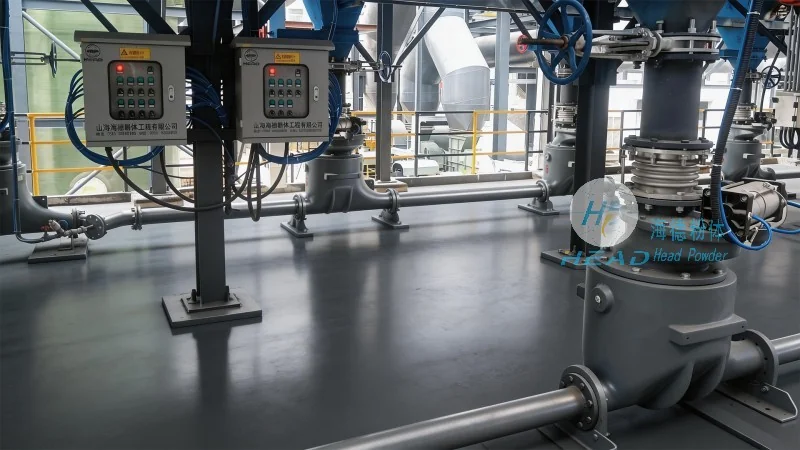
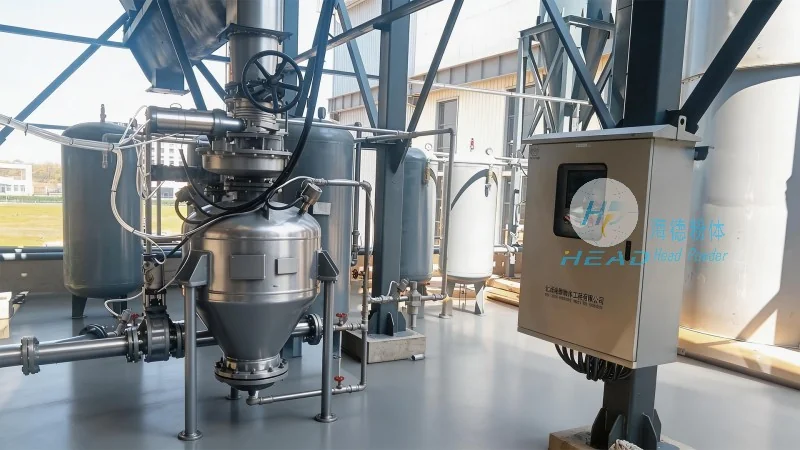
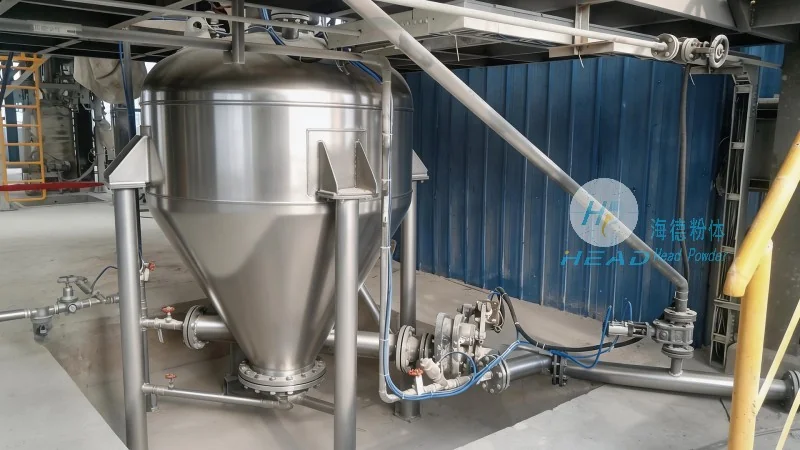
One of the most common methods for conveying aluminum oxide particles is air-pneumatic conveying. This technique uses compressed air to transport the material through a pipeline. There are two main types: dilute-phase and dense-phase conveying. Dilute-phase systems are suitable for fine powders and short to medium distances, where the material is suspended in a high-velocity air stream. Dense-phase systems, on the other hand, use lower air velocities and higher material concentrations, making them ideal for longer distances and bulk material transport. The choice between dilute and dense-phase depends on the particle characteristics and the required flow rate. Air-pneumatic conveying offers advantages such as low equipment wear, minimal product degradation, and the ability to handle fine powders without clogging. However, it requires careful control of air pressure and flow rates to maintain consistent material transport and prevent system blockages.
2. Mechanical Conveying Systems
For applications where air-pneumatic systems are not feasible or cost-effective, mechanical conveying methods are often employed. These systems use mechanical components like belts, screws, or buckets to move aluminum oxide particles. Belt conveyors are widely used for horizontal or slight incline transport, suitable for bulk quantities and relatively large particles. Screw conveyors are effective for vertical or inclined transport, providing a continuous and controlled flow. Bucket elevators are ideal for vertical transport over longer distances, especially when dealing with larger or heavier particles. Mechanical conveyors offer advantages such as low maintenance costs and the ability to handle a wide range of particle sizes. However, they may experience higher wear and tear, especially with abrasive materials like aluminum oxide, and can be less efficient for fine powders due to potential clogging.
3. Hydraulic Conveying Systems
Hydraulic conveying systems use water or other liquids to transport aluminum oxide particles. This method is particularly useful for handling wet or slurry materials, where the particles are suspended in a liquid medium. The system typically consists of a pump, pipeline, and a separation or dewatering unit at the receiving end. Hydraulic conveying offers the advantage of being able to transport materials over long distances with minimal pressure drop. It is also effective for handling abrasive particles without causing significant wear on the system components. However, it requires additional equipment for water treatment and dewatering, increasing the overall system complexity and cost. The choice of hydraulic conveying depends on the availability of water resources and the need to handle wet or slurry materials.
4. Pneumatic and Mechanical Hybrid Systems
In some cases, a combination of pneumatic and mechanical conveying is used to leverage the benefits of both approaches. For example, a pneumatic system may be used to transport fine particles from a storage silo to a mechanical conveyor, which then transports the material to the final destination. This hybrid approach allows for efficient handling of different particle sizes and flow rates. The hybrid system can improve overall system efficiency by reducing the need for multiple separate systems and optimizing material flow. However, it requires careful integration and control to ensure smooth operation and prevent system conflicts.
5. Specialized Conveying Solutions for Aluminum Oxide
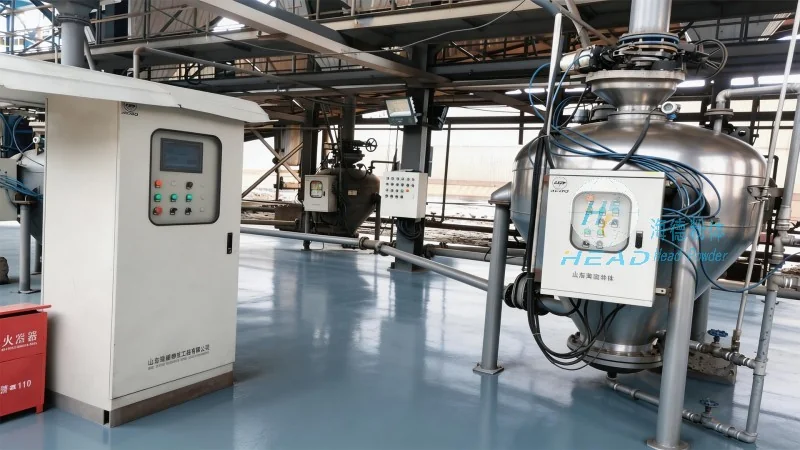
For specialized applications, such as handling ultra-fine aluminum oxide powders or large bulk quantities, specialized conveying solutions may be required. These solutions often involve custom-designed equipment tailored to the specific material characteristics and operational requirements. For instance, high-capacity pneumatic systems with advanced filtration and dust control may be used for large-scale production facilities. Additionally, the use of flexible hoses or flexible screw conveyors can provide greater flexibility in system layout, allowing for easier integration with existing equipment. Specialized conveying solutions are typically more expensive but offer superior performance and reliability for demanding applications.
Conclusion and Recommendations
Choosing the right conveying method for aluminum oxide particles is a critical decision that impacts operational efficiency, safety, and cost. Air-pneumatic systems are often preferred for fine powders and short distances, while mechanical systems are suitable for bulk and larger particles. Hydraulic systems are ideal for wet or slurry materials. The choice should be based on a thorough analysis of the material properties, system requirements, and cost considerations. It is recommended to consult with experts in material handling and conveying systems to determine the most suitable approach for a specific application. By selecting the appropriate conveying method, industrial facilities can ensure safe and efficient transport of aluminum oxide particles, minimizing downtime and maximizing productivity. Shandong HeadPowder Engineering Co., Ltd. offers comprehensive material handling solutions, including customized conveying systems, to meet the diverse needs of industrial clients in China and beyond.

 Công ty TNHH Kỹ thuật Công trình Bột Hải Đức Sơn Đông
 156-6277-7102(Quản lý Trương)
  0531-83386006
  Quận Chương Khâu, Thành phố Tế Nam, Tỉnh Sơn Đông, Trung Quốc
Điện thoại
WeChatTư vấn
Lên đầu