Công ty Hải Đức Bột với hơn 10 năm kinh nghiệm vận chuyển khí, cung cấp hệ thống‑thiết bị‑quạt gió và nhận dự án tổng thầu bột cả nước
When it comes to transporting synthetic fibers, various methods are employed to ensure efficiency, safety, and optimal performance. Synthetic fibers, such as polyester, nylon, and acrylic, are widely used in industries like textiles, automotive, and construction due to their durability and versatility. The choice of conveying method depends on factors including fiber type, quantity, and the specific application requirements.
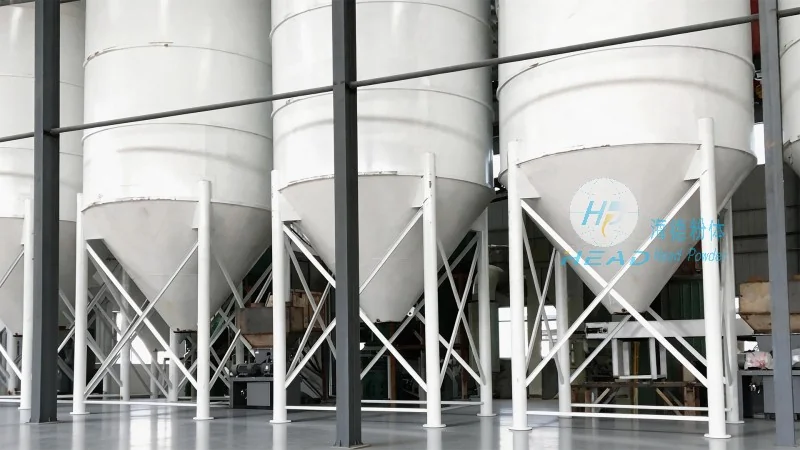
1. Mechanical Conveying Systems
Mechanical conveying systems utilize equipment like belt conveyors, screw conveyors, and chain conveyors to transport synthetic fibers. Belt conveyors are particularly effective for handling loose fibers over short to medium distances. They consist of a continuous belt that moves over rollers, allowing for smooth and consistent movement of the fibers. Screw conveyors, also known as augers, are suitable for vertical or inclined transport, making them ideal for applications where elevation changes are needed. These systems are often preferred for their reliability and low maintenance requirements. The company, Shandong HeadPowder Engineering Co., Ltd., specializes in designing and manufacturing customized mechanical conveying solutions tailored to the unique needs of each client.
2. Pneumatic Conveying Systems
Pneumatic conveying systems use air or other gases to transport synthetic fibers through a pipeline. This method is highly efficient for long-distance transport and can handle a wide range of fiber types. There are two main types of pneumatic conveying: pressure and vacuum systems. Pressure systems force air through the pipeline, pushing the fibers along, while vacuum systems create a negative pressure that pulls the fibers into the system. Pneumatic conveyors are particularly advantageous for applications requiring dust-free and clean environments, as they can be enclosed to prevent fiber dispersion. The engineering expertise of Shandong HeadPowder Engineering Co., Ltd. ensures that these systems are optimized for minimal energy consumption and maximum throughput.
3. Hydraulic Conveying Systems
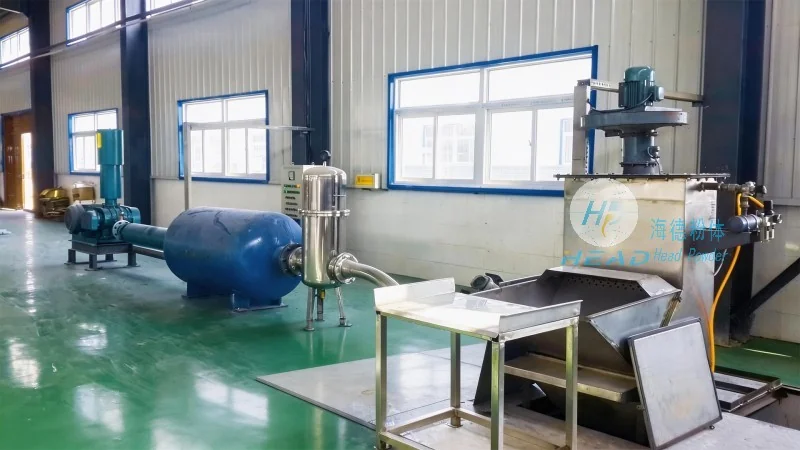
Hydraulic conveying systems employ fluid power to move synthetic fibers. These systems use hydraulic pumps to generate pressure, which drives the fibers through a pipeline. While less common than mechanical or pneumatic systems, hydraulic conveyors are suitable for heavy-duty applications where high pressure and force are required. They are often used in industrial settings where robust and reliable transport is essential. The company's commitment to innovation ensures that hydraulic solutions are designed with precision, meeting the demanding standards of modern manufacturing processes.
4. Combination Conveying Systems
In many industrial applications, a combination of mechanical, pneumatic, and hydraulic systems is used to achieve optimal conveying performance. For example, a system might start with a mechanical conveyor to collect fibers and then transition to a pneumatic conveyor for long-distance transport. This hybrid approach allows for flexibility and efficiency, adapting to varying production demands. Shandong HeadPowder Engineering Co., Ltd. offers comprehensive design and integration services for such complex systems, ensuring seamless operation and minimal downtime.
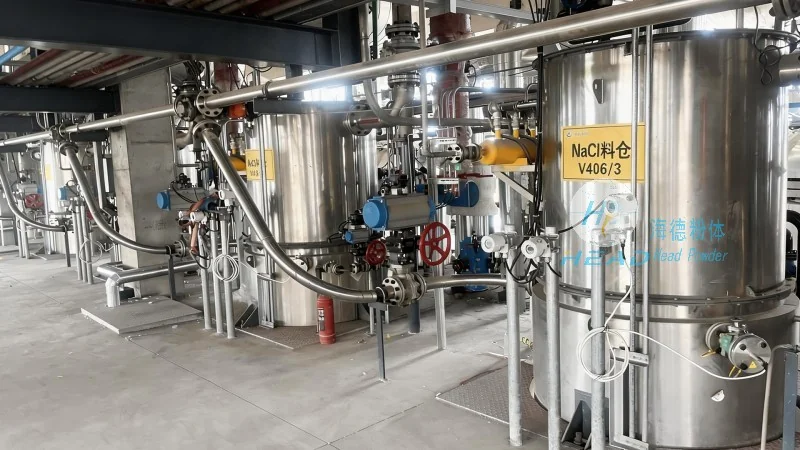
Key Considerations for Choosing a Conveying Method
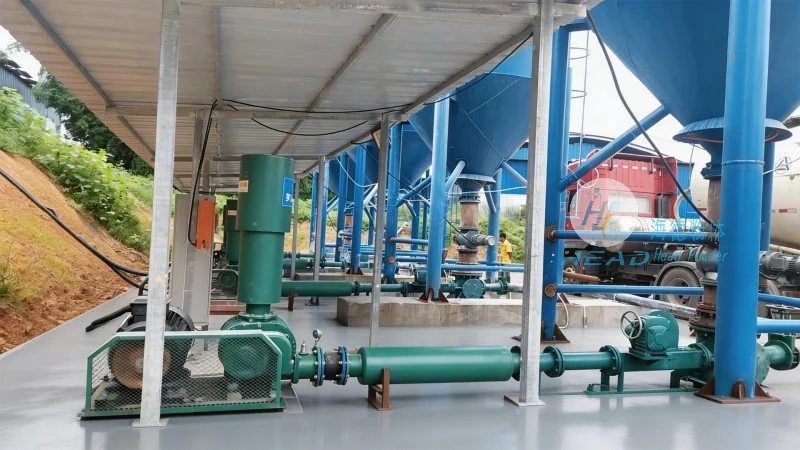
When selecting a conveying method for synthetic fibers, several factors must be considered. The first is the fiber's physical properties, such as density, moisture content, and abrasiveness. These characteristics affect the choice of equipment and system design. Second, the production volume and required throughput are critical. High-volume operations may require more robust and high-capacity systems. Third, the environmental and safety requirements must be addressed. Enclosed systems are preferred in environments where dust control and worker safety are paramount. The company's expertise in material handling and conveying technology helps clients evaluate these factors and choose the most suitable method for their specific needs.
Customization and Integration Services
Shandong HeadPowder Engineering Co., Ltd. provides comprehensive customization and integration services to meet the diverse needs of its clients. The company works closely with customers to understand their production processes, material characteristics, and operational goals. Based on this understanding, tailored conveying solutions are designed and manufactured. This approach ensures that the final system is optimized for performance, efficiency, and cost-effectiveness. The company's team of engineers and technicians are experienced in integrating various components, such as feeders, classifiers, and control systems, to create a cohesive and reliable conveying system. This level of customization is essential for industries where precision and consistency are critical.
Conclusion
Choosing the right method for conveying synthetic fibers is crucial for maintaining efficiency and productivity in industrial operations. Mechanical, pneumatic, hydraulic, and combination systems each offer unique advantages and are suitable for different applications. The expertise of Shandong HeadPowder Engineering Co., Ltd. in designing and implementing these systems ensures that clients receive solutions that meet their specific requirements. By considering factors such as fiber properties, production volume, and environmental needs, businesses can select the most effective conveying method to enhance their operations. The company's commitment to quality and innovation continues to support clients in achieving their manufacturing goals.

 Công ty TNHH Kỹ thuật Công trình Bột Hải Đức Sơn Đông
 156-6277-7102(Quản lý Trương)
  0531-83386006
  Quận Chương Khâu, Thành phố Tế Nam, Tỉnh Sơn Đông, Trung Quốc
Điện thoại
WeChatTư vấn
Lên đầu