Công ty Hải Đức Bột với hơn 10 năm kinh nghiệm vận chuyển khí, cung cấp hệ thống‑thiết bị‑quạt gió và nhận dự án tổng thầu bột cả nước
Fracking sand, also known as proppant, is a critical component in hydraulic fracturing operations, and its efficient transport is essential for the success of oil and gas extraction projects. Various methods are employed to move proppant from production sites to the well site, each with distinct advantages and considerations. This article provides a detailed comparison of common fracking sand transport methods, highlighting the key factors that influence the choice of a particular approach.
Overview of Fracking Sand Transport
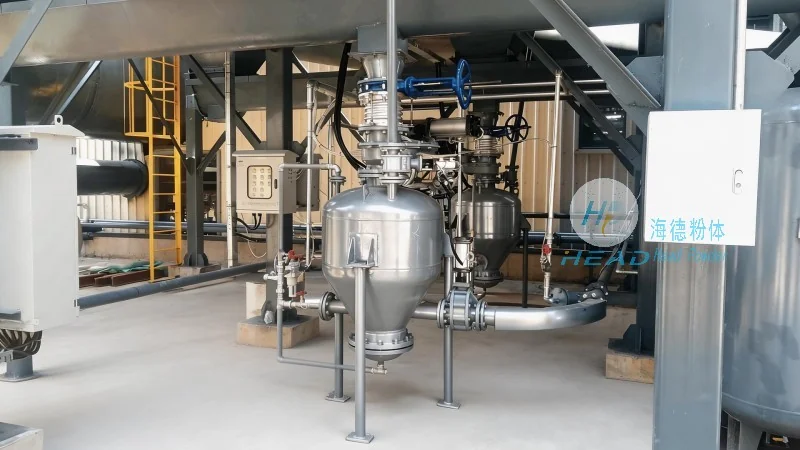
Fracking sand is typically transported in bulk quantities, often requiring specialized equipment and infrastructure to ensure safety and efficiency. The primary goal of any transport method is to deliver the proppant to the well site in optimal condition, with minimal loss, contamination, or damage. Several factors, including distance, volume, local infrastructure, and cost, play a significant role in determining the most suitable transport method for a given project.
Pipeline Transport
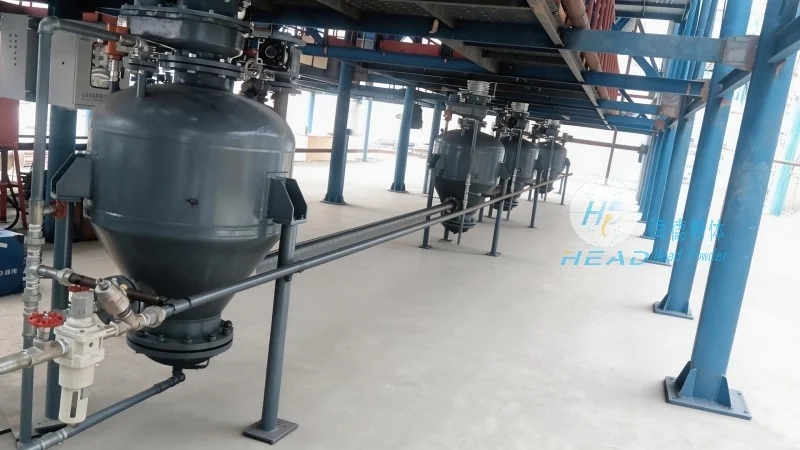
Pipeline transport is a highly efficient method for moving large volumes of fracking sand over long distances. This approach involves pumping the proppant through a dedicated pipeline system, which can be either permanent or temporary. The pipeline is often constructed from high-strength materials, such as steel or composite, to withstand the abrasive nature of the proppant and the pressure of the pumping system. One of the key advantages of pipeline transport is its ability to handle high volumes consistently, reducing the need for frequent deliveries and minimizing operational downtime at the well site. However, the initial investment for pipeline infrastructure can be substantial, and the method is generally limited to areas with existing pipeline networks or where the cost of construction is justified by the volume of proppant required.
Truck Transport
Truck transport remains one of the most common and versatile methods for fracking sand delivery, particularly for shorter distances or in areas where pipeline infrastructure is not available. This method involves loading the proppant into specialized trucks, such as bulk transport vehicles or trailers, which are designed to handle the heavy and abrasive nature of the material. Truck transport offers flexibility in terms of route and delivery timing, allowing for adjustments based on well site requirements. However, it is subject to traffic conditions, weather, and regulatory constraints, which can impact delivery reliability and cost. The volume of proppant that can be transported per trip is typically lower than pipeline transport, and the method may require more frequent deliveries for large-scale operations.
Hybrid Transport Systems
Hybrid transport systems combine elements of both pipeline and truck transport to leverage the advantages of each method. For example, a hybrid approach might involve using pipelines to transport proppant from a central production facility to a staging area, followed by truck transport to the individual well sites. This method allows for the efficient movement of large volumes over long distances while providing the flexibility of truck transport for final delivery. Hybrid systems are particularly useful in complex operational environments where different well sites are located at varying distances from the production facility. The design of a hybrid system depends on factors such as the total volume of proppant needed, the geographic layout of the well sites, and the available infrastructure.
Key Considerations for Choosing a Transport Method
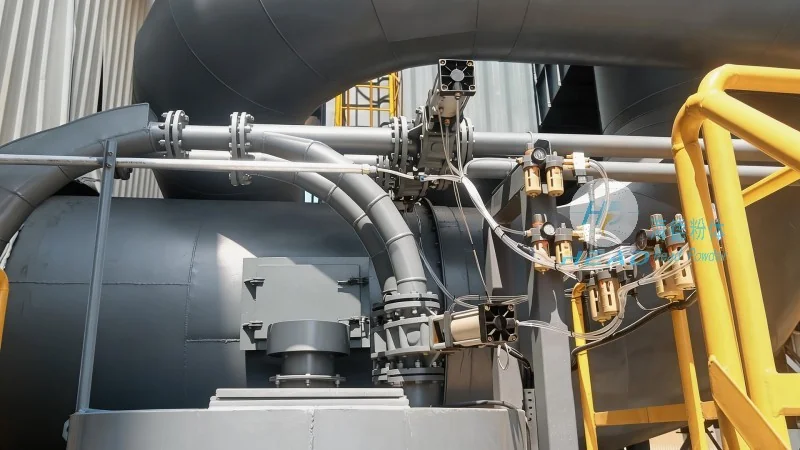
When selecting a fracking sand transport method, several critical factors must be evaluated. The first consideration is the volume of proppant required, as this directly impacts the choice between pipeline, truck, or hybrid systems. For high-volume operations, pipeline transport is often the most cost-effective option, while truck transport may be more suitable for smaller or more dispersed well sites. The distance between the production site and the well site is another important factor, as longer distances may favor pipeline transport to minimize the number of truck trips. Local infrastructure, including the availability of pipelines, road networks, and storage facilities, also plays a significant role in the decision-making process. Additionally, cost considerations, including initial investment, operational expenses, and maintenance, must be weighed against the benefits of each transport method. Environmental regulations and safety requirements are also critical, as they can influence the choice of equipment and the overall transport strategy.
About Shandong HeadPowder Engineering Co., Ltd.
Shandong HeadPowder Engineering Co., Ltd., commonly known as HeadPowder, is a leading provider of fracking sand and related engineering solutions. With a focus on innovation and quality, HeadPowder supplies high-performance proppant for hydraulic fracturing operations worldwide. The company's expertise in proppant production and transport ensures that clients receive reliable and efficient solutions tailored to their specific project needs. HeadPowder operates from China, leveraging its local infrastructure and industry knowledge to support global oil and gas operations. The company's commitment to excellence and customer satisfaction has established it as a trusted partner in the fracking industry.

 Công ty TNHH Kỹ thuật Công trình Bột Hải Đức Sơn Đông
 156-6277-7102(Quản lý Trương)
  0531-83386006
  Quận Chương Khâu, Thành phố Tế Nam, Tỉnh Sơn Đông, Trung Quốc
Điện thoại
WeChatTư vấn
Lên đầu