Công ty Hải Đức Bột với hơn 10 năm kinh nghiệm vận chuyển khí, cung cấp hệ thống‑thiết bị‑quạt gió và nhận dự án tổng thầu bột cả nước
When it comes to the efficient handling and transportation of pebbles in industrial settings, selecting the right conveying method is crucial for optimizing operational efficiency and minimizing downtime. Various technologies are available, each with distinct advantages and applications. This article provides a detailed comparison of common pebble conveying methods, focusing on their design, functionality, and suitability for different industrial scenarios.
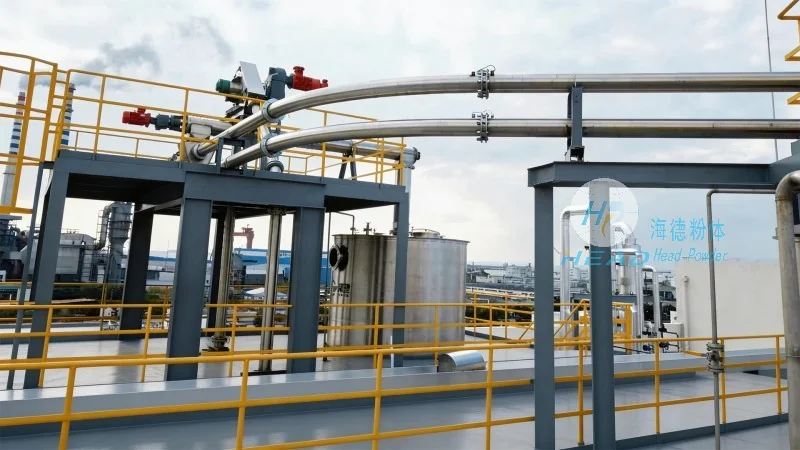
Overview of Pebble Conveying Methods
Pebble conveying systems are essential in mining, construction, and material processing industries where the movement of solid, irregularly shaped materials like pebbles is required. The choice of conveying method depends on factors such as material size, throughput capacity, distance to be covered, and environmental considerations. Below, we explore several widely used pebble conveying methods, analyzing their key features and performance characteristics.
1. Belt Conveyor Systems
Belt conveyors are among the most common and versatile pebble conveying solutions. They consist of a continuous loop of material (typically rubber or synthetic) that moves over rollers or pulleys. Pebbles are loaded onto the belt at the inlet and transported to the discharge point. This method is highly effective for transporting pebbles over long distances and at high capacities. Belt conveyors are particularly suitable for bulk material handling in mining operations, where they can handle large volumes of pebbles with minimal maintenance. The smooth operation and low friction make them energy-efficient, reducing operational costs over time. However, belt conveyors may require regular maintenance to ensure the belt remains in good condition and to prevent material spillage. They are also susceptible to damage from heavy or sharp pebbles, which can lead to increased wear and tear.
2. Screw Conveyor (Auger) Systems
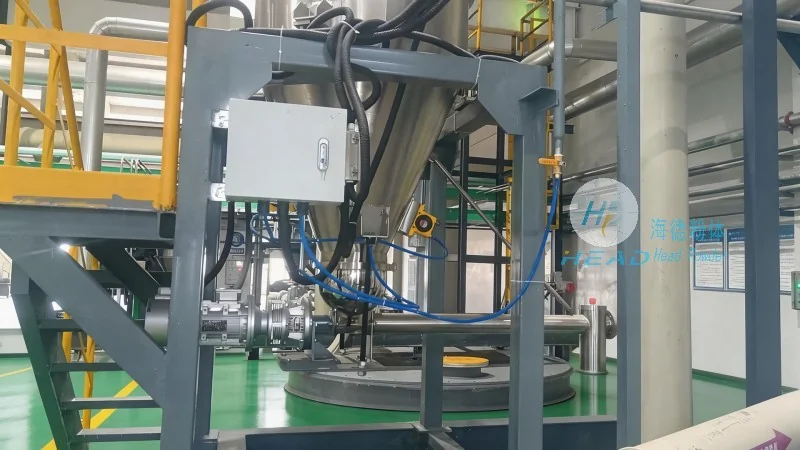
Screw conveyors, also known as auger conveyors, use a rotating helical screw to move pebbles through a tube or trough. The screw rotates, pushing the material forward as it travels. This method is ideal for conveying pebbles over shorter distances and in confined spaces where a belt conveyor might not fit. Screw conveyors are particularly effective for handling dry, free-flowing materials and can be designed to operate at various angles, including vertical lifts. They are commonly used in processing plants for transporting pebbles from storage bins to processing equipment. The compact design of screw conveyors makes them suitable for installations with limited space. However, they may not be as efficient for very large or abrasive pebbles, as the screw and trough can experience significant wear. Additionally, the throughput capacity of screw conveyors is generally lower than that of belt conveyors, making them less suitable for high-volume applications.
3. Pneumatic Conveying Systems
Pneumatic conveying systems use air or gas to transport pebbles through a pipeline. Pebbles are loaded into a hopper and then drawn into the pipeline by a vacuum or pressure system. This method is highly flexible and can be used for both short and long distances, including vertical transport. Pneumatic conveyors are particularly advantageous in applications where dust control is critical, as the material is contained within the pipeline. They are also suitable for transporting pebbles in environments where other methods might cause contamination or damage to the material. However, pneumatic conveying systems require more energy compared to mechanical systems like belt or screw conveyors. The cost of air compressors and the need for regular maintenance of the pipeline and air handling equipment can increase operational expenses. Additionally, the system's efficiency can be affected by the size and density of the pebbles, as larger or heavier pebbles may require higher air pressure to move effectively.
4. Bucket Elevators
Bucket elevators are vertical conveying systems that use a series of buckets attached to a chain or belt to transport pebbles from a lower to a higher level. The buckets are filled with pebbles at the inlet and then lifted to the top of the elevator, where they are emptied into a discharge hopper. This method is ideal for vertical transport of pebbles in applications where horizontal space is limited. Bucket elevators are commonly used in mining and processing plants to move pebbles from the ground level to processing equipment located at elevated positions. They are highly efficient for vertical lifts and can handle a wide range of material sizes. However, bucket elevators require careful alignment and maintenance to ensure smooth operation and prevent material spillage. The high speed of the buckets can also cause some wear on the pebbles, which may affect their quality. Additionally, the system's capacity is limited by the speed of the buckets and the number of buckets in the system.
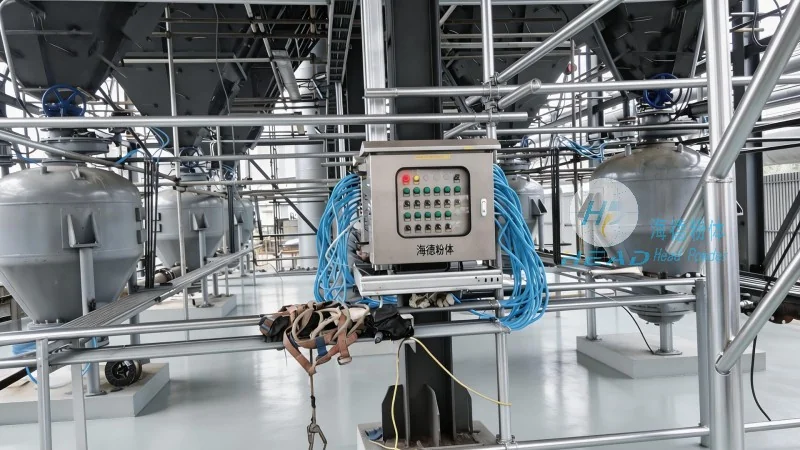
5. Vibrating Conveyors
Vibrating conveyors use vibrations to move pebbles along a trough. The trough is mounted on a frame and vibrated at a specific frequency, causing the pebbles to move forward. This method is suitable for transporting pebbles over moderate distances and in applications where the material needs to be gently moved to avoid damage. Vibrating conveyors are commonly used in processing plants for handling fragile or abrasive pebbles, as the gentle motion minimizes wear and tear. They are also effective for transporting materials with varying sizes and shapes, as the vibration helps to keep the material in motion. However, vibrating conveyors may not be as efficient for very large or heavy pebbles, as the vibration may not provide enough force to move them effectively. The system's performance can also be affected by the angle of the trough and the frequency of the vibration, which must be carefully adjusted for optimal operation.
Selection Criteria for Pebble Conveying Methods
When selecting a pebble conveying method, several factors must be considered to ensure the best fit for the application. The primary factors include the distance to be covered, the required throughput capacity, the size and density of the pebbles, the available space, and the environmental conditions. For long-distance and high-capacity applications, belt conveyors are often the most cost-effective and efficient choice. For shorter distances and confined spaces, screw or vibrating conveyors may be more suitable. Pneumatic systems are ideal for applications requiring dust control or flexibility in layout. Bucket elevators are preferred for vertical transport in limited horizontal space. The choice of material for the conveyor components, such as the belt or trough, is also critical, as it must withstand the wear and abrasion caused by the pebbles.
Conclusion
In conclusion, the selection of a pebble conveying method depends on a variety of factors, and no single method is universally superior. Each method has its strengths and limitations, and the best choice is determined by the specific requirements of the application. By understanding the characteristics of different conveying systems, industrial operators can make informed decisions that optimize their operations, reduce costs, and improve overall efficiency. Whether using a belt conveyor, screw conveyor, pneumatic system, bucket elevator, or vibrating conveyor, the goal is to achieve reliable, efficient, and cost-effective transportation of pebbles in industrial settings.

 Công ty TNHH Kỹ thuật Công trình Bột Hải Đức Sơn Đông
 156-6277-7102(Quản lý Trương)
  0531-83386006
  Quận Chương Khâu, Thành phố Tế Nam, Tỉnh Sơn Đông, Trung Quốc
Điện thoại
WeChatTư vấn
Lên đầu