Công ty Hải Đức Bột với hơn 10 năm kinh nghiệm vận chuyển khí, cung cấp hệ thống‑thiết bị‑quạt gió và nhận dự án tổng thầu bột cả nước
When it comes to the production of lithium cobalt oxide (LCO), an essential cathode material in lithium-ion batteries, the delivery and processing of this material are critical steps. Shandong HeadPowder Engineering Co., Ltd., a leading manufacturer based in Shandong, China, specializes in advanced powder processing technologies. This article provides a detailed comparison of common methods used for delivering lithium cobalt oxide, highlighting their applications, advantages, and limitations.
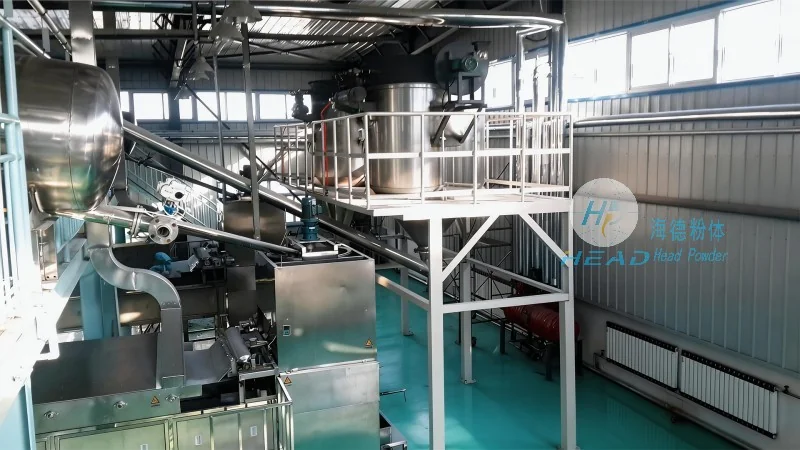
Introduction to Lithium Cobalt Oxide and Its Delivery Importance
Lithium cobalt oxide is a key component in high-energy lithium-ion batteries, widely used in consumer electronics, electric vehicles, and energy storage systems. The quality and uniformity of LCO powder directly impact the performance, safety, and lifespan of the final battery. Therefore, efficient and reliable delivery methods are indispensable in the manufacturing process. Shandong HeadPowder Engineering Co., Ltd. leverages its expertise in powder engineering to optimize these delivery processes, ensuring consistent product quality.
Method 1: Spray Drying for Lithium Cobalt Oxide
Spray drying is a widely adopted technique for producing fine, dry powders from liquid feedstocks. In the context of lithium cobalt oxide, this method involves atomizing a slurry of LCO precursor solutions into a hot drying medium, typically hot air. The resulting droplets quickly evaporate, forming spherical particles with a narrow particle size distribution. This technique is particularly effective for producing LCO powders with high surface area and good thermal stability. Shandong HeadPowder Engineering Co., Ltd. utilizes advanced spray drying equipment to achieve precise control over particle size and morphology, which is crucial for battery performance. The advantages of spray drying include high production rates, uniform particle characteristics, and the ability to handle viscous slurries. However, it may require additional post-processing steps to remove residual moisture or to adjust particle size distribution.
Method 2: Fluidized Bed Dryer for Lithium Cobalt Oxide
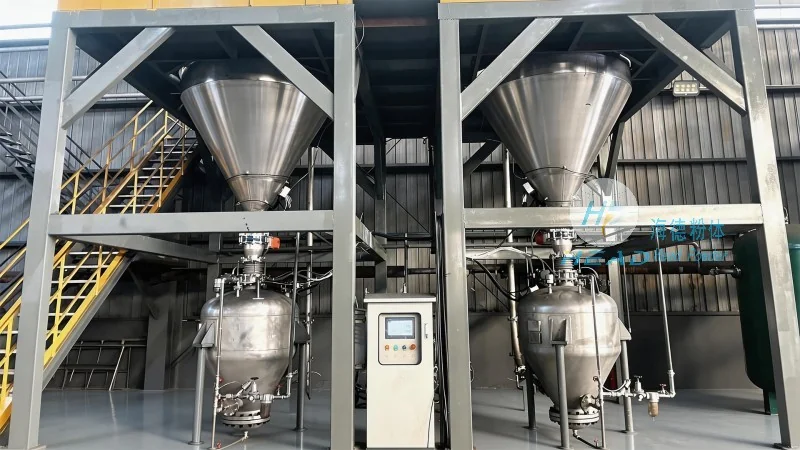
Fluidized bed drying is another common method for processing fine powders, including lithium cobalt oxide. This technique involves passing hot air through a bed of powder particles, causing them to fluidize and mix uniformly. The LCO particles are dried as they circulate within the bed, ensuring consistent moisture removal. Fluidized bed dryers are known for their high efficiency and ability to handle large volumes of material. They are particularly suitable for continuous production lines, as they can process materials at a steady rate. Shandong HeadPowder Engineering Co., Ltd. employs fluidized bed dryers to enhance the drying efficiency of LCO powders, reducing processing time and energy consumption. The key benefits of this method include excellent heat and mass transfer, which leads to uniform drying and minimal particle agglomeration. Nevertheless, fluidized bed systems may be less effective for very fine powders or those with high moisture content, as they can lead to particle entrainment or loss.
Method 3: Air-Flow Conveying for Lithium Cobalt Oxide
Air-flow conveying, also known as pneumatic conveying, is a method used to transport dry powders over long distances using pressurized or vacuum air. This technique is widely used in the chemical and pharmaceutical industries for material handling. In the case of lithium cobalt oxide, air-flow conveying is employed to transport the dried powder from the production line to storage or packaging units. Shandong HeadPowder Engineering Co., Ltd. utilizes advanced air-flow conveying systems to ensure safe and efficient transport of LCO powders. The advantages of this method include low cost, minimal equipment complexity, and the ability to handle large volumes of material. However, air-flow conveying may be less suitable for very fine or cohesive powders, as they can cause blockages or increased pressure drop in the system. Proper system design and maintenance are essential to prevent material degradation or loss during transport.
Method 4: Vibrating Fluidized Bed for Lithium Cobalt Oxide
Vibrating fluidized bed technology combines the principles of fluidized bed and mechanical vibration to improve drying and mixing efficiency. This method involves a fluidized bed that is subjected to vertical or horizontal vibrations, which enhances particle movement and heat transfer. For lithium cobalt oxide, vibrating fluidized beds are used to achieve more uniform drying and to prevent particle agglomeration. Shandong HeadPowder Engineering Co., Ltd. integrates vibrating fluidized bed systems into its production lines to optimize the processing of LCO powders. The benefits of this technique include higher drying rates, better particle uniformity, and reduced energy consumption compared to traditional fluidized beds. However, the equipment is more complex and may require more maintenance. Additionally, the vibration may affect the particle morphology, which could impact battery performance if not carefully controlled.
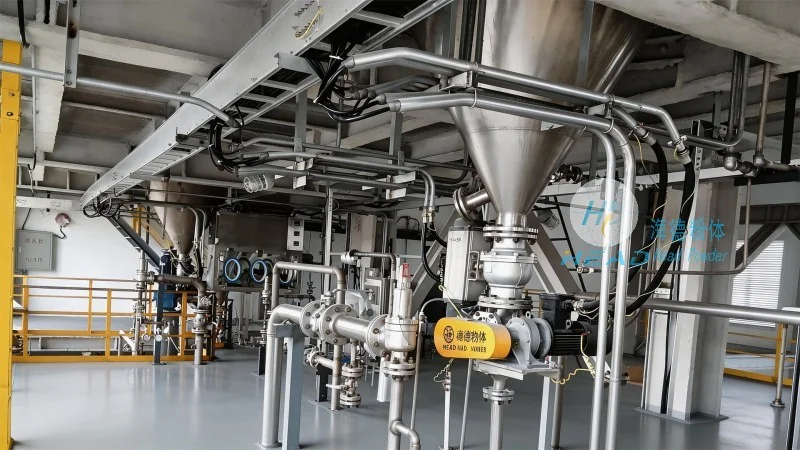
Comparison and Selection Criteria for Lithium Cobalt Oxide Delivery Methods
When selecting a delivery method for lithium cobalt oxide, several factors must be considered, including production scale, material properties, desired particle characteristics, and cost. Spray drying is ideal for producing high-quality LCO powders with controlled particle size, making it suitable for high-end battery applications. Fluidized bed drying offers high efficiency and is well-suited for continuous production, while air-flow conveying is effective for material transport. Vibrating fluidized beds provide enhanced drying and mixing but may be more expensive and complex. Shandong HeadPowder Engineering Co., Ltd. recommends evaluating these factors based on specific production requirements to choose the most appropriate method. The goal is to achieve consistent LCO powder quality, minimize processing time and energy, and ensure safe and efficient material handling throughout the production process.
Conclusion
In conclusion, the delivery methods for lithium cobalt oxide play a crucial role in determining the quality and performance of lithium-ion batteries. Shandong HeadPowder Engineering Co., Ltd., with its expertise in powder processing, offers advanced solutions for optimizing these delivery processes. By understanding the advantages and limitations of each method, manufacturers can select the most suitable approach to meet their production needs. The continued development of these technologies will further enhance the efficiency and reliability of lithium cobalt oxide production, contributing to the advancement of battery technology and sustainable energy solutions.

 Công ty TNHH Kỹ thuật Công trình Bột Hải Đức Sơn Đông
 156-6277-7102(Quản lý Trương)
  0531-83386006
  Quận Chương Khâu, Thành phố Tế Nam, Tỉnh Sơn Đông, Trung Quốc
Điện thoại
WeChatTư vấn
Lên đầu