Công ty Hải Đức Bột với hơn 10 năm kinh nghiệm vận chuyển khí, cung cấp hệ thống‑thiết bị‑quạt gió và nhận dự án tổng thầu bột cả nước
Coal ash, a byproduct of coal combustion in thermal power plants and industrial facilities, requires efficient and reliable transportation systems to ensure safe and effective handling. The choice of conveying method significantly impacts operational efficiency, environmental compliance, and overall system reliability. Among the various options available, pneumatic conveying stands out as a preferred solution for coal ash transport due to its unique advantages and technical capabilities.
Understanding Coal Ash Conveying Options
Coal ash, also known as fly ash or bottom ash depending on its origin, is a fine particulate material that poses challenges in traditional bulk material handling. Conventional methods like belt conveyors, screw conveyors, and bucket elevators have limitations when dealing with the dusty, abrasive, and potentially hazardous nature of coal ash. These methods often suffer from material degradation, high maintenance costs, and environmental issues such as dust emissions. In contrast, pneumatic conveying offers a more integrated and efficient approach to handling coal ash, addressing many of the drawbacks associated with traditional systems.
Pneumatic Conveying: How It Works
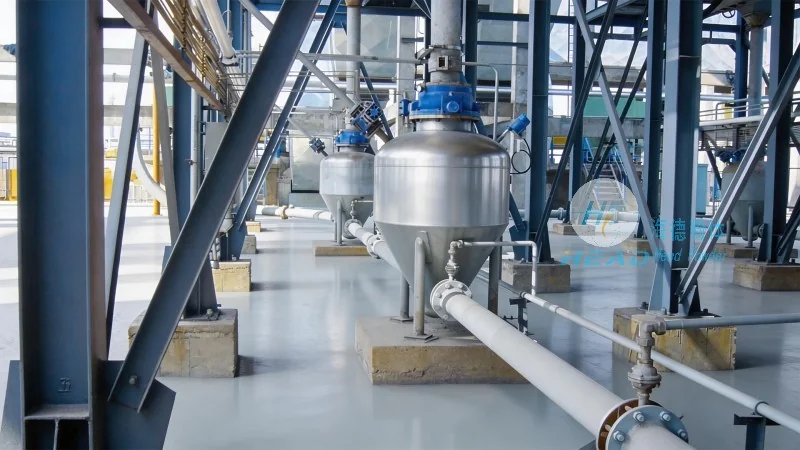
Pneumatic conveying utilizes air or gas to transport bulk materials through a pipeline system. In the context of coal ash, this method involves creating a flow of air that carries the ash particles from the source (e.g., storage silos, furnaces) to the destination (e.g., disposal sites, processing facilities). The system typically consists of a blower or compressor, a hopper for material storage, a pipeline network, and a receiver for the discharged ash. The air flow is controlled to maintain a consistent velocity, ensuring that the ash particles are suspended and transported without clogging or degradation.
Key Advantages of Pneumatic Conveying for Coal Ash
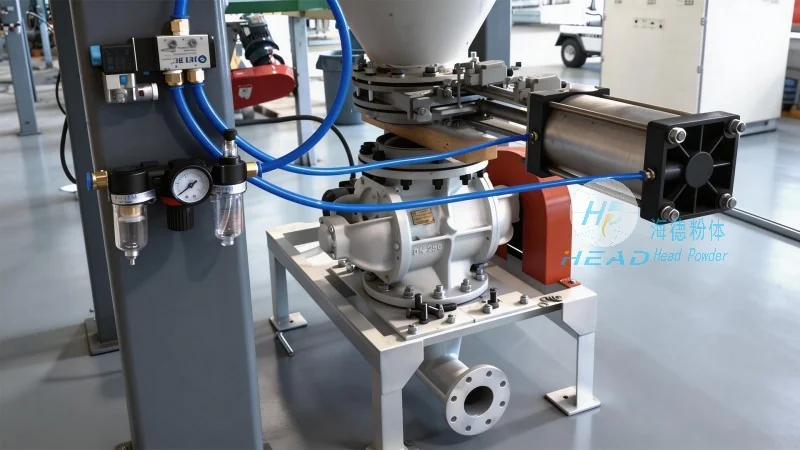
Several key advantages make pneumatic conveying an ideal choice for coal ash transport. First, it provides a dust-free operation, which enhances workplace safety and reduces environmental pollution. Unlike mechanical systems that generate significant dust, pneumatic conveying encloses the material within a sealed pipeline, minimizing exposure to airborne particles. Second, the system offers high flexibility in terms of layout and routing. The pipeline can be installed in various configurations, including vertical, horizontal, or even curved paths, allowing for integration with existing plant structures without major modifications. Third, pneumatic conveying enables precise control over material flow rates and pressure, ensuring consistent and reliable transport. This is particularly important for applications where the ash needs to be delivered to specific locations with minimal variation in quantity or speed.
Technical Features and Performance Characteristics
The performance of a pneumatic conveying system for coal ash is influenced by several technical factors. The air velocity must be sufficient to keep the ash particles suspended but not so high as to cause excessive energy consumption or wear on the system components. The system design considers the ash's particle size distribution, density, and moisture content, as these properties affect the required air flow rate and pressure. For example, finer ash particles may require higher air velocities to maintain suspension, while coarser particles can be conveyed at lower velocities with less energy input. Additionally, the system incorporates features such as cyclone separators and filters to separate the ash from the air stream, ensuring that the discharged ash is clean and free from contaminants. These components are crucial for maintaining the system's efficiency and preventing clogging or blockages in the pipeline.
Applications and Use Cases
Pneumatic conveying is widely used in various applications involving coal ash handling. In thermal power plants, it is commonly employed to transport fly ash from the boiler to storage silos or to disposal sites. The system can handle large volumes of ash, often exceeding 100 tons per hour, making it suitable for high-throughput operations. In industrial facilities, such as cement plants or concrete production sites, coal ash is used as a supplementary cementitious material (SCM), and pneumatic conveying facilitates its transport from storage to the mixing plant. The ability to deliver ash to precise locations with minimal loss or degradation is essential for maintaining the quality of the final product. Furthermore, in environmental remediation projects, pneumatic conveying is used to transport ash for reclamation or disposal, ensuring that the material is handled safely and in compliance with regulatory standards.
Considerations for System Design and Installation
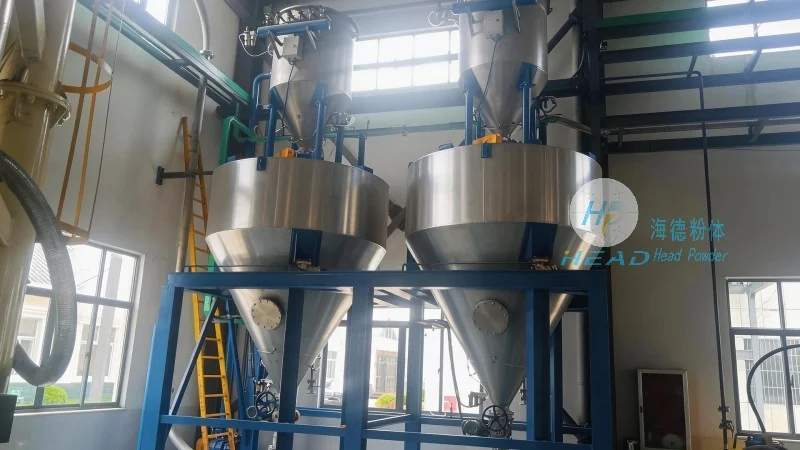
When designing a pneumatic conveying system for coal ash, several factors must be carefully considered to ensure optimal performance and longevity. The first consideration is the material's properties, as mentioned earlier, which dictate the air flow rate and pressure requirements. The system's layout must account for the plant's existing infrastructure, including the location of the ash source and destination, to minimize installation costs and disruption. The choice of pipeline material is critical, as coal ash can be abrasive and corrosive. Typically, stainless steel or high-grade plastic pipes are used to withstand the wear and chemical exposure. Additionally, the system must include proper sealing and maintenance provisions to prevent air leaks and ensure consistent operation. Regular maintenance, such as cleaning cyclone separators and checking for wear on components, is essential to maintain the system's efficiency and prevent downtime.
Conclusion: The Role of Pneumatic Conveying in Modern Coal Ash Management
In conclusion, pneumatic conveying represents a highly effective and efficient method for coal ash transport, offering significant advantages over traditional mechanical systems. Its ability to handle the dusty and abrasive nature of coal ash while maintaining a dust-free operation and high flexibility makes it a preferred choice for many industrial applications. As the demand for sustainable and environmentally friendly practices in the energy sector continues to grow, the adoption of advanced conveying technologies like pneumatic systems will likely increase. Companies such as Shandong HeadPowder Engineering Co., Ltd., based in China, specialize in designing and manufacturing customized pneumatic conveying systems tailored to the specific needs of coal ash handling operations. With their expertise in material handling and industrial engineering, they provide reliable solutions that enhance operational efficiency and support environmental compliance in coal ash management.

 Công ty TNHH Kỹ thuật Công trình Bột Hải Đức Sơn Đông
 156-6277-7102(Quản lý Trương)
  0531-83386006
  Quận Chương Khâu, Thành phố Tế Nam, Tỉnh Sơn Đông, Trung Quốc
Điện thoại
WeChatTư vấn
Lên đầu