Công ty Hải Đức Bột với hơn 10 năm kinh nghiệm vận chuyển khí, cung cấp hệ thống‑thiết bị‑quạt gió và nhận dự án tổng thầu bột cả nước
Efficient and reliable powder handling is crucial in various industrial applications, from manufacturing to chemical processing. The choice of a suitable powder handling method can significantly impact production efficiency, product quality, and operational costs. Among the various options available, pneumatic conveying stands out as a versatile and effective solution for transporting powders over short to medium distances. This article explores the different powder handling methods and delves into the key advantages and features of pneumatic conveying systems, with insights from Shandong HeadPowder Engineering Co., Ltd., a leading provider in the field.
Different Types of Powder Handling Methods
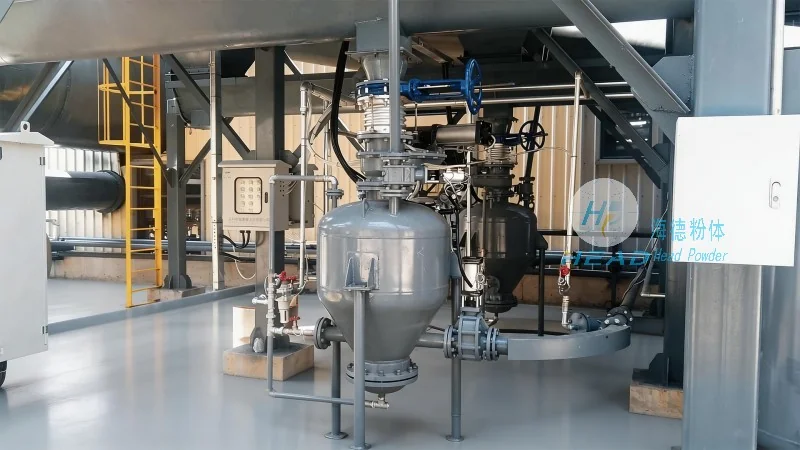
Powder handling encompasses a range of techniques designed to move, store, and manage powders. The primary methods include mechanical conveying, pneumatic conveying, and hydraulic conveying. Each method has its own set of characteristics and applications. Mechanical conveying, such as screw conveyors and belt conveyors, is commonly used for bulk materials but may not be suitable for fine powders due to issues like caking and blockage. Hydraulic conveying, which uses fluid to transport powders, is less common and often limited to specific industries. Pneumatic conveying, on the other hand, offers a flexible and efficient solution for a wide range of powder types and applications.
Pneumatic Conveying: How It Works
Pneumatic conveying systems utilize air or other gases to transport powders through a pipeline. The process typically involves a blower or compressor that generates airflow, which draws the powder into the system and moves it to the destination. There are two main types of pneumatic conveying: pressure and vacuum. Pressure systems use compressed air to push the powder forward, while vacuum systems use suction to draw the powder. The choice between the two depends on the distance, material properties, and system design. Pneumatic conveying can handle a variety of powders, including fine, abrasive, and sticky materials, making it a popular choice in industries like pharmaceuticals, food processing, and chemicals.
Advantages of Pneumatic Conveying for Powder Handling
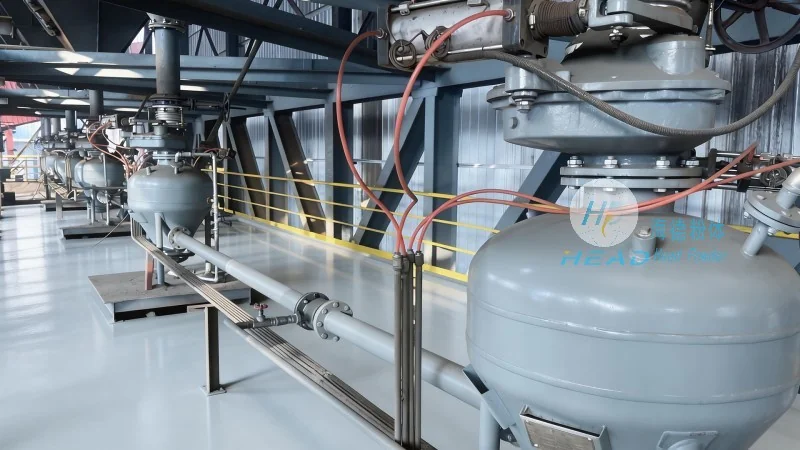
Shandong HeadPowder Engineering Co., Ltd. highlights several key advantages of pneumatic conveying systems. Firstly, it offers a clean and hygienic method of powder transport, which is essential in industries where contamination is a concern, such as food and pharmaceuticals. The enclosed system prevents dust from escaping into the environment, ensuring compliance with environmental regulations. Secondly, pneumatic conveying is highly flexible, allowing for changes in the system layout without major modifications. This adaptability makes it suitable for both new installations and retrofitting existing facilities. Thirdly, the system can handle a wide range of powder types and sizes, from fine powders to bulk materials. This versatility reduces the need for multiple handling systems, simplifying operations and lowering costs. Additionally, pneumatic conveying systems are energy-efficient compared to other methods, as they use less power to transport the same amount of material. The compact design of the equipment also saves space in industrial facilities, making it an ideal solution for space-constrained environments.
Key Features of Pneumatic Conveying Systems
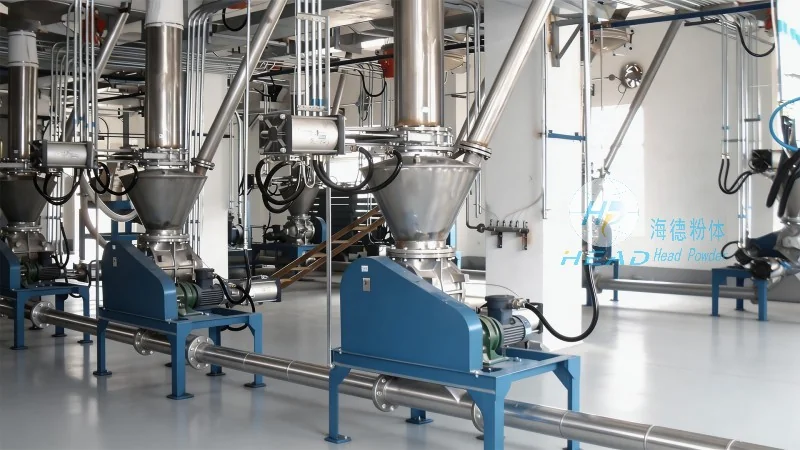
Shandong HeadPowder Engineering Co., Ltd. emphasizes several key features that enhance the performance and reliability of pneumatic conveying systems. One of the most important features is the ability to handle abrasive and corrosive powders without causing wear and tear on the equipment. The system's design, including the use of high-quality materials and proper maintenance, ensures long-term durability. Another feature is the control and monitoring capabilities, which allow operators to adjust the airflow and pressure to optimize the conveying process. This control helps prevent issues like clogging and ensures consistent material flow. The system also includes safety features, such as pressure relief valves and dust collection systems, to protect both the equipment and the environment. Furthermore, the modular design of the systems allows for easy expansion and customization to meet specific customer requirements. This flexibility enables companies to scale their operations as their needs grow, without incurring significant additional costs.
Applications of Pneumatic Conveying in Various Industries
Pneumatic conveying systems are widely used in a variety of industries due to their versatility and efficiency. In the pharmaceutical industry, for example, pneumatic conveying is used to transport active pharmaceutical ingredients (APIs) and excipients with high precision and minimal contamination. The clean and enclosed system ensures that the powders remain sterile and free from contaminants, which is critical for maintaining product quality and safety. In the food processing industry, pneumatic conveying is used to handle ingredients like flour, sugar, and spices. The system's ability to handle fine powders and prevent cross-contamination makes it an ideal choice for food production lines. In the chemical industry, pneumatic conveying is used to transport chemicals, including powders and granules. The system's resistance to corrosion and ability to handle abrasive materials make it suitable for harsh chemical environments. Additionally, in the mining and minerals industry, pneumatic conveying is used to transport raw materials and finished products. The system's high capacity and efficiency make it an effective solution for moving large quantities of materials over long distances.
Conclusion: Choosing the Right Powder Handling Method
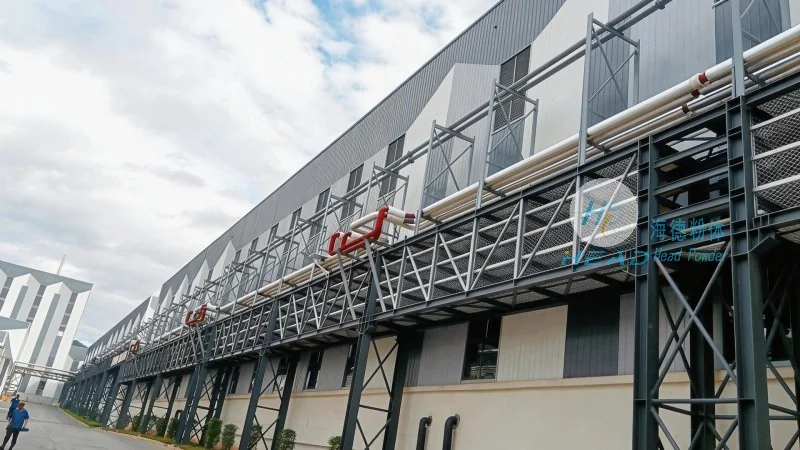
When selecting a powder handling method, it is essential to consider the specific requirements of the application, including the type of powder, distance, and operational constraints. While mechanical conveying may be suitable for some applications, pneumatic conveying offers significant advantages in terms of efficiency, flexibility, and cleanliness. Shandong HeadPowder Engineering Co., Ltd. provides comprehensive solutions for pneumatic conveying systems, tailored to meet the unique needs of each customer. By leveraging the advantages of pneumatic conveying, companies can improve their production processes, reduce costs, and enhance product quality. Whether it's for new installations or system upgrades, pneumatic conveying remains a reliable and effective choice for powder handling in modern industrial applications.

 Công ty TNHH Kỹ thuật Công trình Bột Hải Đức Sơn Đông
 156-6277-7102(Quản lý Trương)
  0531-83386006
  Quận Chương Khâu, Thành phố Tế Nam, Tỉnh Sơn Đông, Trung Quốc
Điện thoại
WeChatTư vấn
Lên đầu