Công ty Hải Đức Bột với hơn 10 năm kinh nghiệm vận chuyển khí, cung cấp hệ thống‑thiết bị‑quạt gió và nhận dự án tổng thầu bột cả nước
When it comes to the efficient handling and transportation of rice, various methods are employed to ensure smooth operations from the field to the processing plant. Understanding these common methods is crucial for optimizing workflow and maintaining product quality. This article explores several prevalent approaches used in the rice industry for conveying rice, highlighting their applications and benefits.
Gravity Conveying Systems
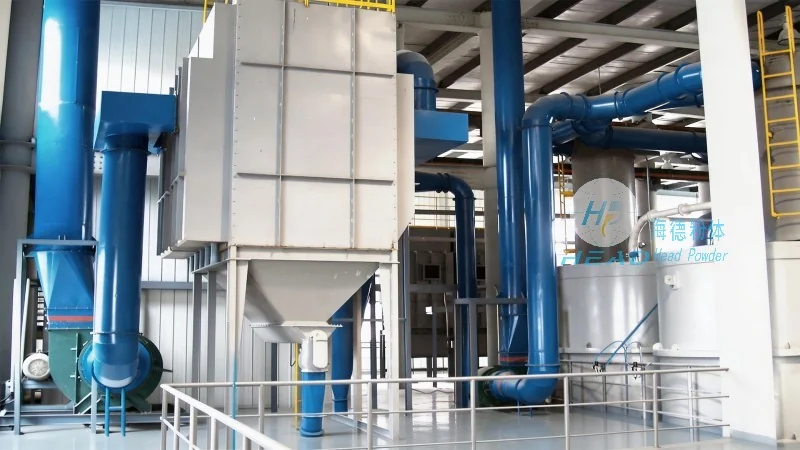
Gravity conveying systems utilize the natural force of gravity to move rice along inclined chutes or channels. These systems are particularly effective for short-distance transfers where the elevation difference is sufficient to allow the rice to flow without additional power. The design typically involves a sloped surface, often made of stainless steel or other non-corrosive materials, that guides the rice from one level to another. This method is cost-effective and requires minimal maintenance, making it a popular choice for small to medium-sized rice processing facilities. The smooth, unobstructed flow of rice through gravity conveyors helps preserve the grain's integrity, reducing the risk of breakage or damage during transport.
Mechanical Conveying: Belt Conveyors
Belt conveyors are a widely used mechanical method for rice conveying, especially in large-scale operations. These systems consist of a continuous loop of belt that moves over rollers or pulleys, transporting rice from one point to another. The belt is typically made of durable materials such as rubber or synthetic fabrics, designed to withstand the abrasive nature of rice grains. Belt conveyors can handle high volumes of rice and are suitable for both horizontal and inclined transport. They offer consistent and reliable performance, making them ideal for long-distance conveying within processing plants. The ability to adjust the speed and direction of the belt allows for flexible integration into existing production lines, enhancing overall operational efficiency.
Mechanical Conveying: Screw Conveyors
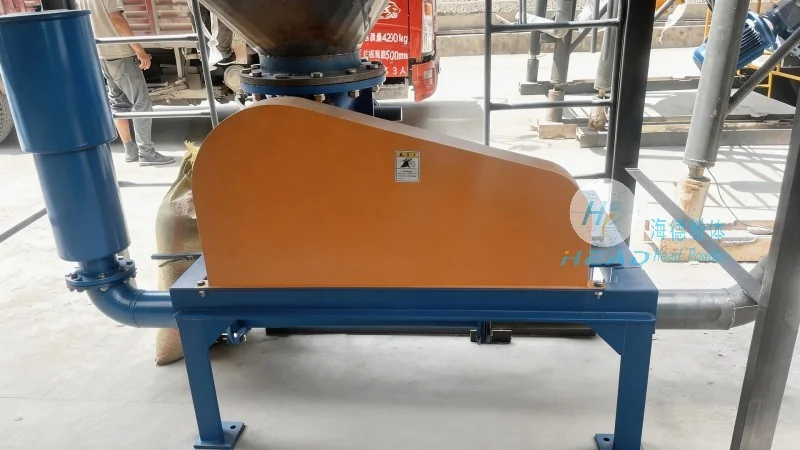
Screw conveyors, also known as auger conveyors, are another common mechanical solution for rice handling. These systems feature a rotating screw (auger) enclosed in a cylindrical tube, which moves rice through the tube by pushing it forward. Screw conveyors are highly versatile and can be used for both horizontal and vertical transport, making them suitable for various stages of rice processing, such as moving raw rice from storage bins to milling machines or transporting milled rice to packaging areas. They are particularly effective for handling bulk materials and can be customized to accommodate different grain sizes and moisture levels. The enclosed design of screw conveyors helps prevent dust and contamination, ensuring that the rice remains clean and free from foreign particles during transport.
Air Conveying: Pneumatic Systems
Pneumatic conveying systems use air pressure to transport rice through a network of pipes. These systems are ideal for long-distance and high-volume conveying, as they can move rice efficiently over considerable distances without the need for multiple transfer points. There are two main types of pneumatic conveyors: positive displacement and negative pressure. Positive displacement systems use a pump to force air and rice through the pipes, while negative pressure systems create a vacuum to draw rice into the system. Pneumatic conveying is particularly beneficial for handling delicate or fragile rice grains, as it minimizes physical contact and reduces the risk of breakage. However, it requires careful management of air pressure and flow rates to prevent product degradation or system inefficiencies.
Hybrid Conveying Solutions
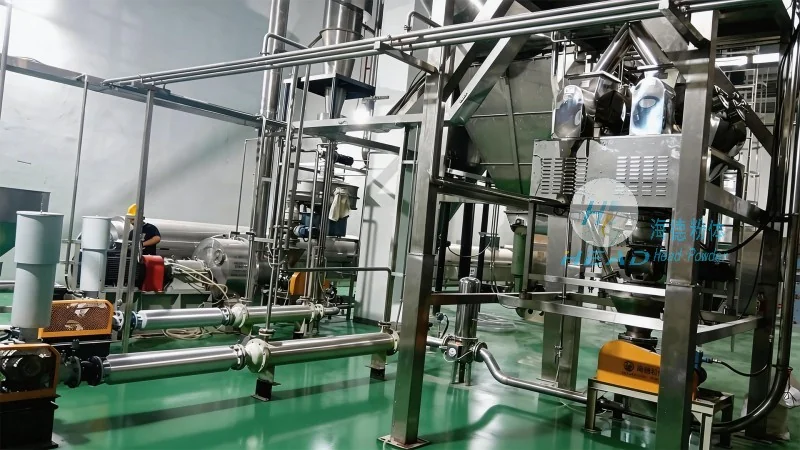
In many rice processing facilities, a combination of the above methods is employed to create a hybrid conveying system. For example, a facility might use a gravity chute to move rice from a storage silo to a belt conveyor, which then transports it to a screw conveyor for vertical transport to the milling area. Hybrid systems allow for greater flexibility and adaptability, as they can be tailored to the specific needs of the operation. This approach optimizes the use of each conveying method's strengths, reducing energy consumption and improving overall throughput. The integration of different systems also enables better control over the rice flow, ensuring that the processing line operates smoothly and efficiently.
Factors to Consider When Choosing a Conveying Method
When selecting a rice conveying method, several factors must be considered to ensure the best fit for the operation. These include the distance and elevation changes required, the volume of rice to be transported, the grain characteristics (such as size, moisture content, and fragility), and the available budget and space. The choice of material for the conveying equipment is also critical, as it must be resistant to corrosion, wear, and the abrasive nature of rice grains. Additionally, the maintenance requirements and operational costs of each system should be evaluated to determine the long-term viability of the chosen method. By carefully assessing these factors, rice processing facilities can select the most effective and efficient conveying system to meet their specific needs.
About Shandong HeadPowder Engineering Co., Ltd.
Shandong HeadPowder Engineering Co., Ltd., commonly known as HeadPowder, is a leading provider of engineering solutions for the food processing industry. With a focus on innovation and quality, the company specializes in designing and manufacturing conveying systems, processing equipment, and related components for rice and other grains. HeadPowder's expertise in mechanical and pneumatic conveying technologies ensures that their products are tailored to meet the unique demands of the rice industry. The company's commitment to customer satisfaction and technical excellence has made it a trusted partner for rice processing facilities worldwide. HeadPowder's headquarters is located in Shandong, China, where the company continues to develop advanced solutions to enhance the efficiency and productivity of rice handling operations.

 Công ty TNHH Kỹ thuật Công trình Bột Hải Đức Sơn Đông
 156-6277-7102(Quản lý Trương)
  0531-83386006
  Quận Chương Khâu, Thành phố Tế Nam, Tỉnh Sơn Đông, Trung Quốc
Điện thoại
WeChatTư vấn
Lên đầu