Công ty Hải Đức Bột với hơn 10 năm kinh nghiệm vận chuyển khí, cung cấp hệ thống‑thiết bị‑quạt gió và nhận dự án tổng thầu bột cả nước
Red bean conveying is a critical process in various industries, particularly in food processing and agricultural operations. The efficient handling of red beans from storage to processing lines requires reliable and effective conveying systems. Understanding the common methods used for red bean conveying can help businesses optimize their operations, reduce costs, and enhance overall productivity. This article explores several widely used methods for transporting red beans, highlighting their applications and benefits, with solutions provided by Shandong HeadPowder Engineering Co., Ltd. (headpowder).
Gravity Conveying Systems
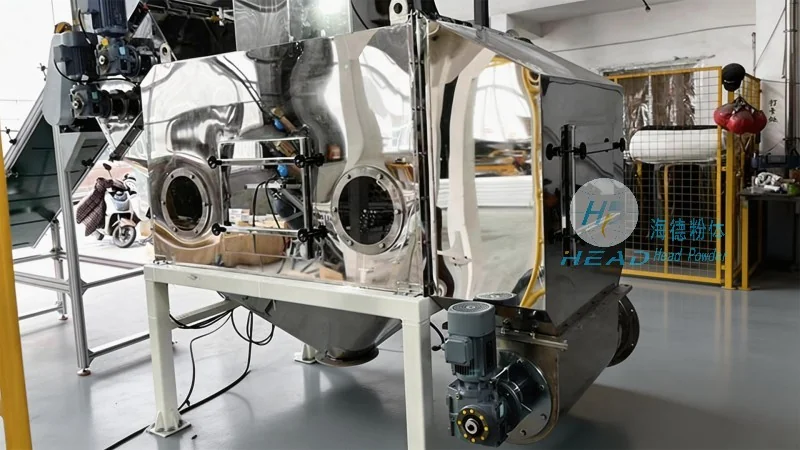
Gravity conveying systems utilize the natural force of gravity to move red beans from one point to another. These systems typically consist of inclined chutes or hoppers that allow beans to flow downward under their own weight. The design of gravity conveyors is straightforward, making them cost-effective and low-maintenance solutions for short-distance conveying tasks. They are particularly suitable for applications where the elevation change is minimal and the flow rate is moderate. In such systems, the beans are often guided by smooth, sloped surfaces that minimize friction and prevent damage to the beans. This method is ideal for facilities with limited vertical space or where energy consumption is a concern. The simplicity of gravity conveyors also makes them easy to integrate into existing production lines without extensive modifications.
Mechanical Conveying Systems
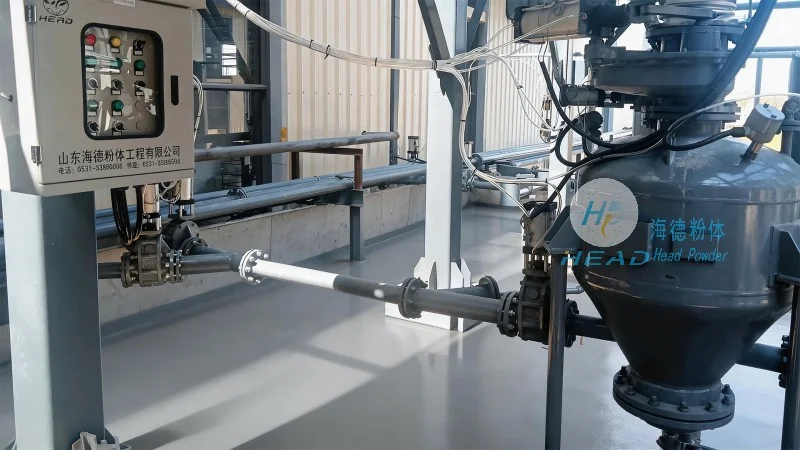
Mechanical conveying systems employ mechanical components to transport red beans. One of the most common types is the belt conveyor, which uses a continuous belt to move beans horizontally or at a slight incline. Belt conveyors are versatile and can handle a wide range of bean sizes and shapes, making them suitable for both raw and processed red beans. They are capable of handling high volumes with consistent speed, ensuring a steady flow of materials. Another mechanical option is the screw conveyor, also known as an auger conveyor. Screw conveyors use a rotating screw to push beans forward through a tube or trough. This method is effective for vertical or inclined conveying and can handle sticky or moist beans without clogging. The screw design allows for precise control over the conveying speed and volume, which is beneficial for maintaining product quality. Mechanical conveyors are generally more robust and can handle higher loads compared to gravity systems, making them suitable for larger-scale operations.
Pneumatic Conveying Systems
Pneumatic conveying systems use air or gas to transport red beans through a pipeline. This method is particularly useful for applications requiring long-distance or high-rise conveying, as it can move beans over significant vertical and horizontal distances without the need for multiple transfer points. There are two main types of pneumatic conveyors: positive displacement and pressure systems. Positive displacement systems use a pump to create a vacuum or pressure to draw beans into the pipeline, while pressure systems use compressed air to push beans forward. Pneumatic conveying is ideal for handling fine or powdery red beans that might be susceptible to damage from mechanical contact. It also allows for the integration of dust collection and filtration systems, ensuring a clean and safe working environment. However, pneumatic systems may require more energy compared to gravity or mechanical systems and can be more complex to install and maintain.
Hybrid Conveying Systems
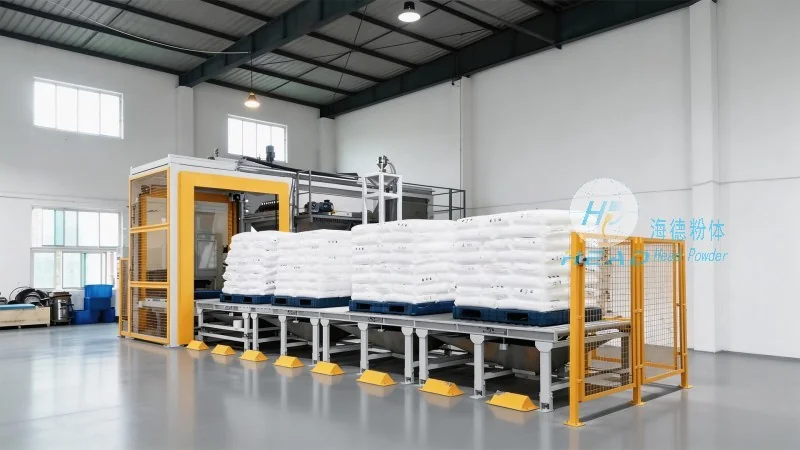
Hybrid conveying systems combine elements of different methods to address specific operational needs. For example, a system might use a gravity chute for the initial drop and then a mechanical conveyor to transport the beans over a longer horizontal distance. This approach leverages the efficiency of gravity for short vertical movements while utilizing the versatility of mechanical systems for extended horizontal transport. Hybrid systems are often used in large-scale processing facilities where different sections of the plant require varied conveying solutions. By integrating multiple technologies, these systems can optimize material flow, reduce energy consumption, and improve overall operational efficiency. The flexibility of hybrid conveyors allows businesses to adapt to changing production demands without significant infrastructure changes.
Factors to Consider When Choosing a Conveying Method
When selecting a red bean conveying method, several factors must be considered to ensure the best fit for a specific application. The first factor is the distance and elevation change required for the transport. Short distances with minimal elevation changes may be suitable for gravity systems, while longer distances or significant vertical movement may necessitate mechanical or pneumatic systems. The volume and consistency of the red bean flow are also critical. High-volume operations may benefit from mechanical or pneumatic systems that can handle large quantities efficiently, whereas low-volume or variable flow rates might be better suited to gravity or hybrid systems. The physical properties of the red beans, such as size, shape, moisture content, and susceptibility to damage, play a significant role in the choice of system. For example, delicate or sticky beans may require pneumatic or gravity systems to avoid mechanical damage, while robust beans can be handled by mechanical conveyors. The available space and budget are additional considerations. Gravity systems are often more cost-effective and space-efficient, while mechanical and pneumatic systems may require more space and higher initial investment. By evaluating these factors, businesses can choose the most appropriate conveying method to meet their operational requirements and ensure the quality and safety of the red beans throughout the process.
Conclusion
Red bean conveying is a vital aspect of many industrial and agricultural processes, and the choice of conveying method significantly impacts operational efficiency and product quality. Gravity, mechanical, pneumatic, and hybrid systems each offer unique advantages and are suitable for different applications. By understanding the characteristics of each method and considering factors such as distance, volume, and bean properties, businesses can select the most effective conveying solution. The right choice can lead to improved productivity, reduced costs, and enhanced safety in the handling of red beans. As technology advances, new and more efficient conveying systems may emerge, but the fundamental principles of these methods will continue to be relevant in optimizing red bean transport. For businesses looking to enhance their red bean conveying operations, consulting with experts and conducting thorough evaluations of their specific needs is essential to achieve optimal results.

 Công ty TNHH Kỹ thuật Công trình Bột Hải Đức Sơn Đông
 156-6277-7102(Quản lý Trương)
  0531-83386006
  Quận Chương Khâu, Thành phố Tế Nam, Tỉnh Sơn Đông, Trung Quốc
Điện thoại
WeChatTư vấn
Lên đầu