Công ty Hải Đức Bột với hơn 10 năm kinh nghiệm vận chuyển khí, cung cấp hệ thống‑thiết bị‑quạt gió và nhận dự án tổng thầu bột cả nước
Carboxymethyl cellulose (CMC) is a widely used water-soluble polymer in various industries, including pharmaceuticals, food, and construction. Its effective delivery to the target application is crucial for maintaining product performance and consistency. This article provides a detailed comparison of common CMC delivery methods, examining their advantages and disadvantages to help users choose the most suitable approach for their specific needs.
1. Pumping Systems for CMC Delivery
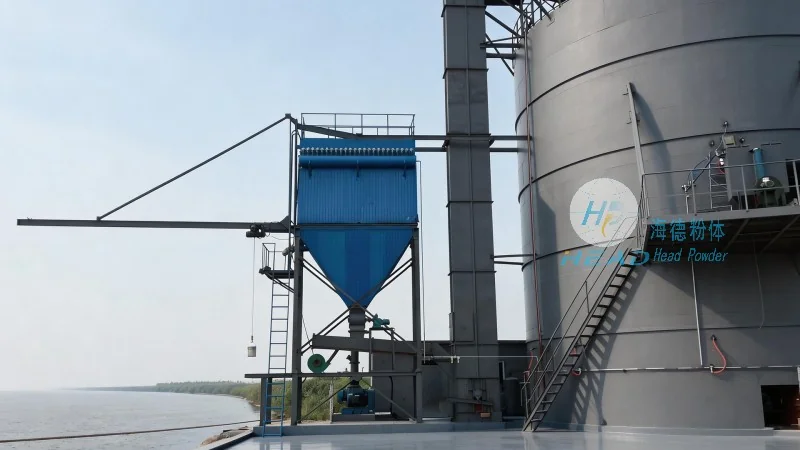
Pumping is one of the most common methods for transporting CMC solutions. This approach involves using positive displacement or centrifugal pumps to move the viscous CMC slurry through pipelines. The primary advantage of pumping systems is their ability to handle high-viscosity fluids efficiently, ensuring consistent flow rates even at elevated concentrations. Additionally, pumps allow for precise control over the delivery rate, which is essential for applications requiring exact dosing. However, pumping systems may face challenges with clogging, especially when dealing with high-concentration CMC solutions. Regular maintenance and the use of anti-clogging additives are often necessary to prevent system downtime. Furthermore, the initial investment and operational costs for pumping equipment can be relatively high, making this method less suitable for small-scale operations or low-budget projects.
2. Gravity-Driven Flow for CMC Transfer
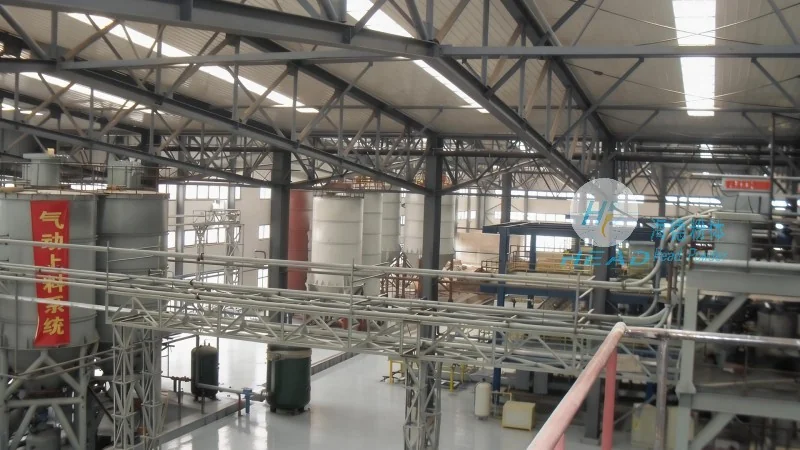
Gravity-driven flow, or gravity feed, is another method used for CMC delivery, particularly in applications where the vertical distance between the storage tank and the application point is sufficient. This approach relies on the natural force of gravity to move the CMC solution through a pipe or hose. The main advantage of gravity-driven systems is their simplicity and low operational cost, as they do not require external power sources or complex machinery. This makes them ideal for small-scale or temporary setups where minimal maintenance is preferred. However, the effectiveness of gravity-driven flow is highly dependent on the vertical height and the viscosity of the CMC solution. If the vertical distance is insufficient or the viscosity is too high, the flow rate may be too slow or insufficient to meet the application requirements. Additionally, gravity systems are less flexible in terms of controlling the flow rate, as adjustments typically involve modifying the system's physical layout rather than using variable equipment.
3. Mixing and Blending Equipment Integration
For applications that require CMC to be incorporated into other materials, such as concrete or food products, integrating mixing and blending equipment is a common delivery method. This approach involves adding CMC directly into the mixing tank or blender, where it is mixed with the base material under controlled conditions. The primary advantage of this method is its ability to ensure thorough and uniform distribution of CMC throughout the final product. This is critical for applications where the CMC acts as a thickening or stabilizing agent, as inconsistent distribution can lead to performance issues. However, the effectiveness of this method depends heavily on the mixing equipment's capacity and efficiency. Overmixing or undermixing can result in uneven CMC distribution, affecting the product's quality. Additionally, the process may require additional time and energy compared to direct pumping, which could impact production throughput.
4. Comparison of Delivery Methods and Practical Recommendations
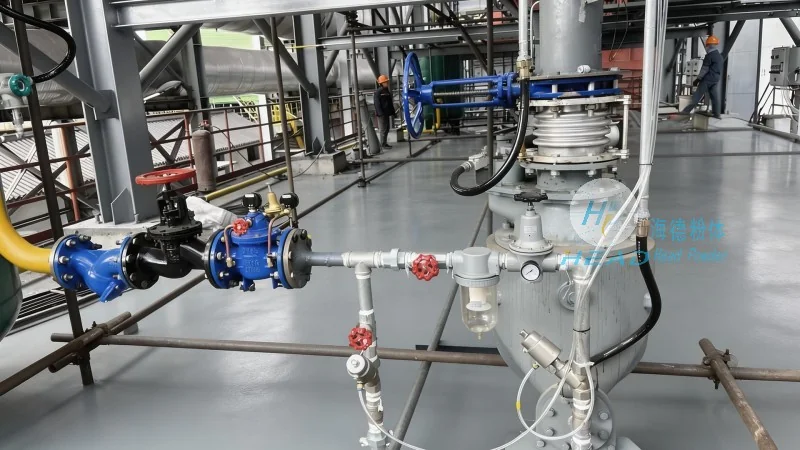
When selecting a CMC delivery method, several factors must be considered, including the viscosity of the CMC solution, the required flow rate, the scale of the operation, and the available budget. Pumping systems are generally recommended for high-viscosity or high-concentration CMC solutions where precise control is essential. Gravity-driven flow is suitable for low-viscosity solutions and small-scale applications with sufficient vertical height. Mixing equipment integration is ideal for applications requiring uniform distribution of CMC in other materials. It is also important to consider the potential for clogging and the need for regular maintenance when choosing a delivery method. For instance, adding anti-clogging agents or using pump systems with clog-resistant designs can mitigate issues associated with high-viscosity CMC.
Conclusion
Choosing the right CMC delivery method is critical for ensuring optimal performance and efficiency in various industrial applications. By understanding the advantages and disadvantages of each approach, users can make informed decisions that align with their specific requirements. Whether using pumping systems, gravity-driven flow, or mixing equipment, the goal is to maintain consistent CMC delivery while minimizing operational challenges. For more information on CMC products and delivery solutions, please contact Shandong HeadPowder Engineering Co., Ltd., located in Shandong, China.

 Công ty TNHH Kỹ thuật Công trình Bột Hải Đức Sơn Đông
 156-6277-7102(Quản lý Trương)
  0531-83386006
  Quận Chương Khâu, Thành phố Tế Nam, Tỉnh Sơn Đông, Trung Quốc
Điện thoại
WeChatTư vấn
Lên đầu