Công ty Hải Đức Bột với hơn 10 năm kinh nghiệm vận chuyển khí, cung cấp hệ thống‑thiết bị‑quạt gió và nhận dự án tổng thầu bột cả nước
When it comes to transporting potassium carbonate fertilizer, selecting the right method is crucial for ensuring efficiency, safety, and cost-effectiveness in agricultural operations. Potassium carbonate (K₂CO₃) is widely used in agriculture as a soluble potassium source, essential for enhancing crop yields and improving soil fertility. Its high solubility and reactivity mean that proper transport methods are critical to prevent degradation, contamination, or loss of effectiveness during transit. This article provides a detailed comparison of common transport methods, highlighting their advantages and disadvantages, to help agricultural professionals and fertilizer distributors make informed decisions.
Overview of Potassium Carbonate Fertilizer and Transport Challenges
Potassium carbonate is a vital source of potassium for plant growth, and its transport requires careful handling due to chemical properties and the need to maintain product integrity. Common challenges include maintaining a stable pH level, preventing caking or solidification, and ensuring the product remains free-flowing. The choice of transport method depends on factors such as volume, distance, infrastructure, and end-user requirements.
Method 1: Pumping via Centrifugal or Positive Displacement Pumps
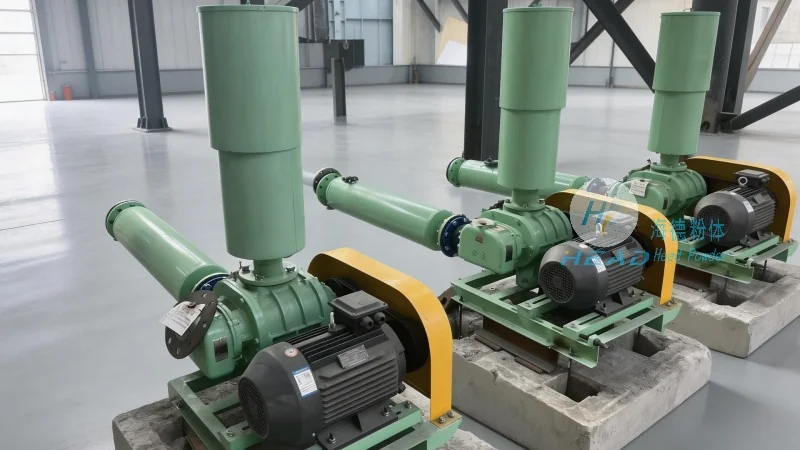
One of the most common methods for transporting potassium carbonate fertilizer is through pumping, typically using centrifugal or positive displacement pumps. This approach is effective for moving large volumes from storage tanks to application equipment. Centrifugal pumps handle high flow rates and are suitable for low-viscosity solutions, while positive displacement pumps are ideal for more viscous or shear-sensitive materials. Advantages include high efficiency for large quantities over long distances and reduced labor costs. However, pumping can be energy-intensive, leading to higher operational costs. Improper pump selection or maintenance may cause equipment wear, downtime, or product contamination. Clogging risks exist, especially with solid particles or thickened solutions, requiring regular maintenance and compatible materials.
Method 2: Piping and Pipeline Systems
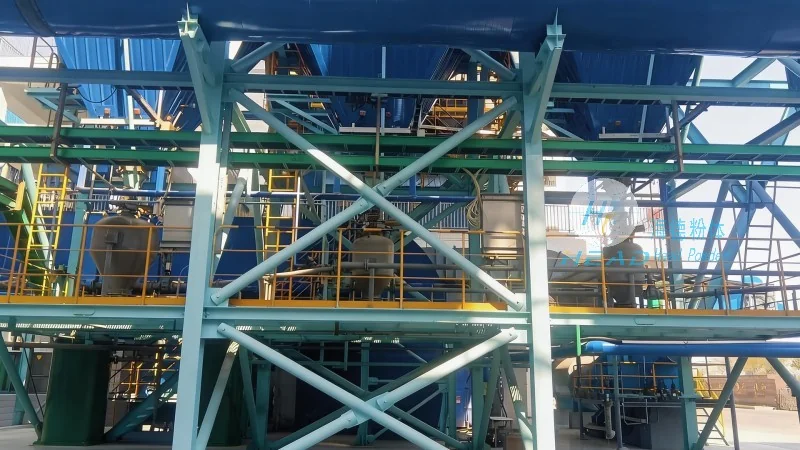
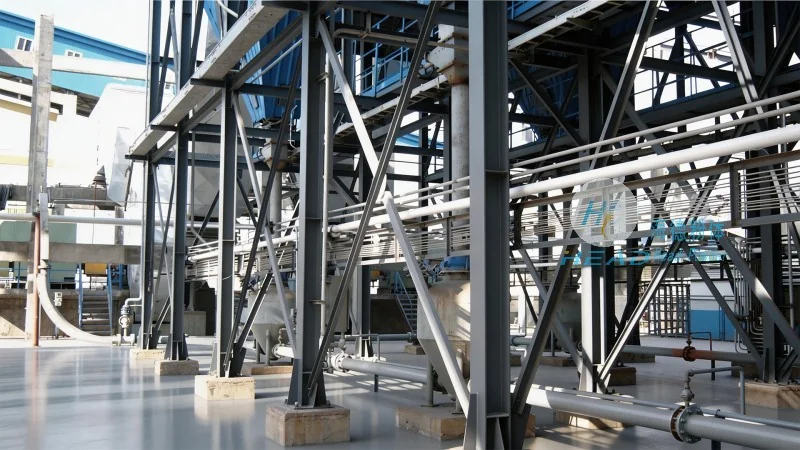
For continuous and large-scale transport, piping and pipeline systems offer efficiency. These systems connect storage tanks, processing units, and application points, moving fertilizer under pressure. Materials like stainless steel or corrosion-resistant alloys are used. Advantages include consistent flow rates, reduced spillage risks, and automation for seamless operation. However, significant upfront investment is needed for infrastructure and maintenance. Flexibility is limited once installed, and leaks or ruptures pose risks if not properly maintained.
Method 3: Tank Truck or Bulk Transport
Bulk transport via tank trucks is used for medium to long distances. Specialized trucks with agitators or pumps prevent caking. Advantages include moving large volumes quickly and cost-effectively without extensive infrastructure. Flexibility suits frequent deliveries or multiple locations. However, transportation costs can be high for short distances or small volumes. Spills or leaks during loading/unloading are concerns, as even small amounts can harm the environment. Product degradation risks exist if not handled under optimal conditions.
Method 4: Bagging and Bulk Bag (FIBC) Transport
For smaller-scale or localized transport, bagging and bulk bags (Flexible Intermediate Bulk Containers) are common. This method involves packaging fertilizer into bags or bulk bags, transported via trucks or handling equipment. Advantages include flexibility and ease of handling, suitable for on-site storage or local markets. Bulk bags can transport dry or semi-dry fertilizer, which is more stable. However, each bag has limited capacity, requiring more trips to transport large volumes, increasing labor and costs. Spillage or dust generation during handling is a concern, needing proper containment. Bulk bags must be stored in dry, ventilated areas to prevent moisture absorption, adding to expenses.
Comparative Analysis: Choosing the Right Transport Method
When selecting a transport method, consider volume, distance, and infrastructure. Pumping is ideal for large-scale, continuous transport with high flow rates. Piping systems offer long-term, automated solutions for consistent movement. Bulk transport via tank trucks is suitable for medium to long distances and large volumes. Bulk bag transport is best for smaller-scale or localized applications. Each method has trade-offs, and the optimal choice depends on cost, efficiency, safety, and specific fertilizer/end-user needs. Understanding these options helps optimize transport operations and ensure fertilizer effectiveness.
Conclusion: Ensuring Efficient and Safe Transport of Potassium Carbonate Fertilizer
Efficient and safe transport of potassium carbonate fertilizer is critical for maximizing its effectiveness in agriculture and minimizing operational costs. By evaluating transport method advantages and disadvantages, agricultural operations can select the most suitable approach. Proper planning, maintenance, and safety protocols are essential to maintain product quality. As a leading provider of fertilizer solutions, Shandong HeadPowder Engineering Co., Ltd. understands the importance of reliable transport methods and offers comprehensive support to help clients choose and implement effective solutions for their potassium carbonate fertilizer needs. With a focus on quality, efficiency, and customer satisfaction, HeadPowder is committed to helping agricultural professionals achieve their goals through optimized fertilizer transport and application.

 Công ty TNHH Kỹ thuật Công trình Bột Hải Đức Sơn Đông
 156-6277-7102(Quản lý Trương)
  0531-83386006
  Quận Chương Khâu, Thành phố Tế Nam, Tỉnh Sơn Đông, Trung Quốc
Điện thoại
WeChatTư vấn
Lên đầu