Công ty Hải Đức Bột với hơn 10 năm kinh nghiệm vận chuyển khí, cung cấp hệ thống‑thiết bị‑quạt gió và nhận dự án tổng thầu bột cả nước
When it comes to handling and transporting potassium hydroxide (KOH), selecting the right delivery method is crucial for ensuring safety, efficiency, and cost-effectiveness in industrial applications. Shandong HeadPowder Engineering Co., Ltd., a leading manufacturer based in China, specializes in providing high-quality chemical solutions and equipment. This article provides an in-depth comparison of common KOH delivery methods, highlighting their respective advantages and disadvantages to help industrial operators make informed decisions.
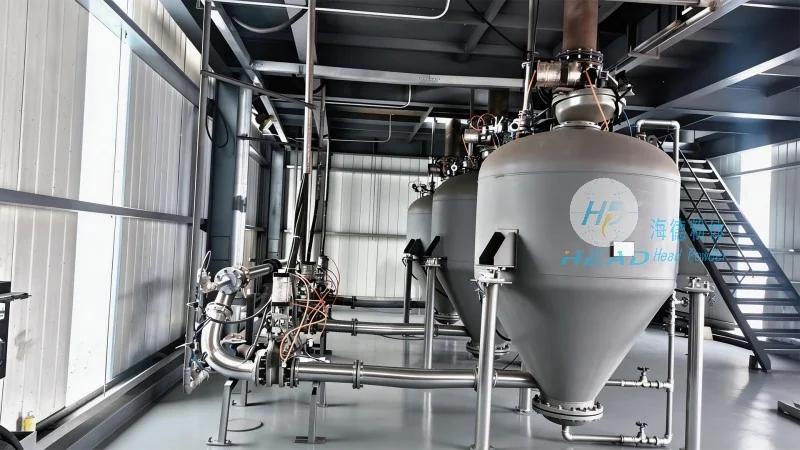
1. Bulk Tanker Trucks: Traditional and Versatile
Bulk tanker trucks remain one of the most traditional and widely used methods for transporting large quantities of potassium hydroxide. These specialized vehicles are equipped with insulated tanks to maintain the chemical's temperature and prevent degradation. The primary advantage of bulk tanker trucks is their ability to deliver large volumes directly to the customer's site, minimizing handling and storage requirements at the receiving facility. This method is particularly suitable for industries with high consumption rates, such as chemical manufacturing, paper production, and water treatment. However, bulk tanker trucks also have several drawbacks. The most significant limitation is the need for specialized equipment at the receiving end, including loading arms and storage tanks, which can be costly to install and maintain. Additionally, the transportation process is subject to regulatory constraints, including permits for hazardous material transport and strict safety protocols to prevent spills or leaks. The cost of transportation can also be a factor, as bulk tanker trucks may require multiple trips for smaller orders, leading to higher per-unit costs compared to other methods.
2. IBC Totes (Intermediate Bulk Containers): Portable and Flexible
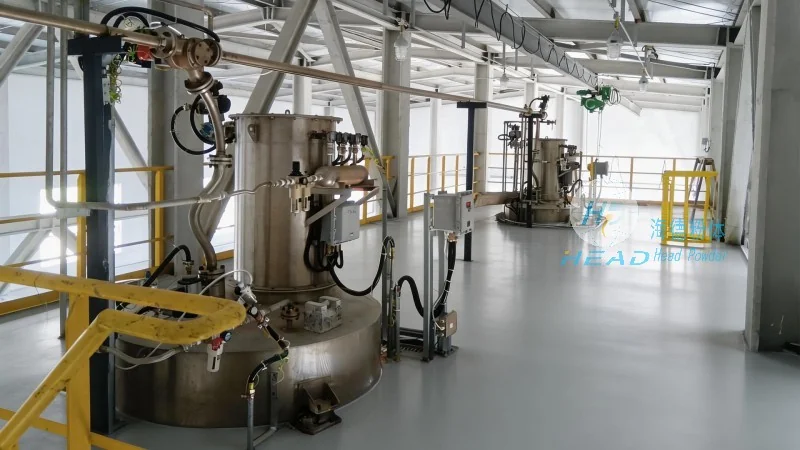
Intermediate Bulk Containers (IBCs), commonly known as totes, offer a more portable and flexible alternative to bulk tanker trucks for transporting potassium hydroxide. These containers are typically made of plastic or metal and are designed to hold 1000 liters or more of liquid. The main advantage of IBC totes is their ease of handling and storage. Unlike tanker trucks, IBCs can be easily moved using forklifts or pallet jacks, allowing for convenient storage in warehouses or on-site storage areas. This flexibility is particularly beneficial for businesses with varying demand or limited space. Another key advantage is the lower cost of transportation for smaller quantities. IBCs are often used for regional deliveries, where the volume of KOH required is not large enough to justify the use of bulk tanker trucks. However, IBC totes also have limitations. The primary drawback is their capacity, as they are not suitable for very large-scale operations. Additionally, the weight of the container can make it difficult to move over long distances, especially if the container is filled to its maximum capacity. The risk of contamination is another concern, as IBCs may require thorough cleaning and inspection between uses to ensure product purity.
3. Drums and Barrels: Small-Scale and Local Delivery
For smaller-scale applications, drums and barrels are commonly used to transport potassium hydroxide. These containers are typically made of metal or plastic and hold smaller volumes, ranging from 20 liters to 200 liters. The primary advantage of using drums and barrels is their suitability for local deliveries and small-scale operations. They are easy to handle and store, making them ideal for businesses with low consumption rates or limited storage capacity. The cost of transportation is also lower compared to bulk tanker trucks or IBCs, as they are more portable and can be delivered by smaller vehicles. However, drums and barrels have several disadvantages. The most significant limitation is their capacity, as they are not suitable for large-scale operations. The weight of the filled drums can make them difficult to move, especially if multiple drums are required. The risk of spills and leaks is also higher with drums and barrels, as they are more prone to damage during handling and transportation. Additionally, the storage of drums requires proper ventilation and containment to prevent accidental exposure or environmental contamination.
4. Pipelines: Continuous and Automated Delivery
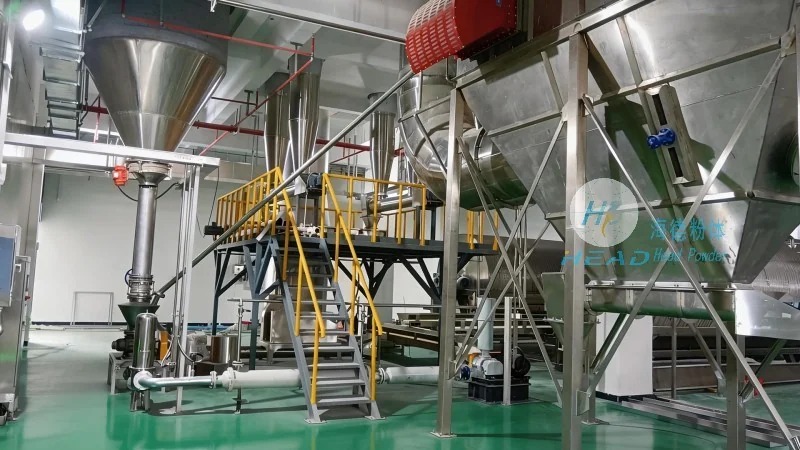
Pipelines represent a more advanced and automated method for transporting potassium hydroxide, particularly in large-scale industrial settings. These systems consist of underground or above-ground pipes that connect the production facility to the end-user's site. The primary advantage of pipelines is their ability to provide continuous, uninterrupted delivery of KOH. This method is highly efficient and reduces the need for manual handling and storage, minimizing the risk of spills or accidents. Pipelines are particularly suitable for industries with high and consistent demand, such as chemical manufacturing and power generation. However, the installation and maintenance of pipelines are expensive and require significant capital investment. The construction of pipelines involves excavation, trenching, and the installation of specialized valves and pumps, which can be costly and time-consuming. Additionally, the maintenance of pipelines is critical to prevent leaks or blockages, as any damage can result in significant environmental and safety risks. The regulatory requirements for pipeline transport are also stringent, as they are classified as hazardous material transport systems.
5. Containerized Shipping: International and Bulk Transport
For international or large-scale bulk transport, containerized shipping is a common method for delivering potassium hydroxide. These containers are typically 20 or 40 feet in length and are designed to be transported by trucks, trains, or ships. The primary advantage of containerized shipping is its ability to transport large volumes of KOH over long distances. This method is particularly suitable for global supply chains, where the chemical is needed in multiple locations. Containerized shipping also offers the benefit of standardized packaging, which simplifies handling and storage at the receiving end. However, containerized shipping has several limitations. The most significant drawback is the cost of transportation, as shipping containers and freight services can be expensive, especially for smaller orders. The transit time is also longer compared to other methods, as containers may need to be routed through multiple ports and countries. The risk of damage during transit is another concern, as containers are exposed to various environmental conditions, including temperature fluctuations and rough handling. Additionally, the regulatory requirements for international shipping are complex, as they involve customs clearance, documentation, and compliance with international hazardous material regulations.
Conclusion: Choosing the Right Delivery Method for Your Needs
When selecting a potassium hydroxide delivery method, industrial operators must consider several factors, including the volume of KOH required, the distance of transportation, the cost of equipment and maintenance, and the safety requirements of the operation. Bulk tanker trucks are ideal for large-scale, regional deliveries, while IBC totes are suitable for smaller, flexible operations. Drums and barrels are best for local, small-scale deliveries, and pipelines are ideal for continuous, automated transport in large-scale industrial settings. Containerized shipping is appropriate for international or bulk transport needs. Shandong HeadPowder Engineering Co., Ltd. provides a range of KOH products and delivery solutions tailored to meet the specific needs of industrial clients. By understanding the advantages and disadvantages of each delivery method, businesses can make informed decisions to optimize their operations and ensure the safe and efficient handling of potassium hydroxide.

 Công ty TNHH Kỹ thuật Công trình Bột Hải Đức Sơn Đông
 156-6277-7102(Quản lý Trương)
  0531-83386006
  Quận Chương Khâu, Thành phố Tế Nam, Tỉnh Sơn Đông, Trung Quốc
Điện thoại
WeChatTư vấn
Lên đầu