Công ty Hải Đức Bột với hơn 10 năm kinh nghiệm vận chuyển khí, cung cấp hệ thống‑thiết bị‑quạt gió và nhận dự án tổng thầu bột cả nước
When it comes to handling activated carbon powder in industrial settings, selecting the right conveying method is crucial for efficiency, safety, and product integrity. The choice of conveying system can significantly impact operational costs, material quality, and overall process reliability. In this article, we will explore several common activated carbon powder conveying methods, analyzing their advantages and disadvantages to help you make an informed decision for your specific application.
Company Profile: Shandong HeadPowder Engineering Co., Ltd.
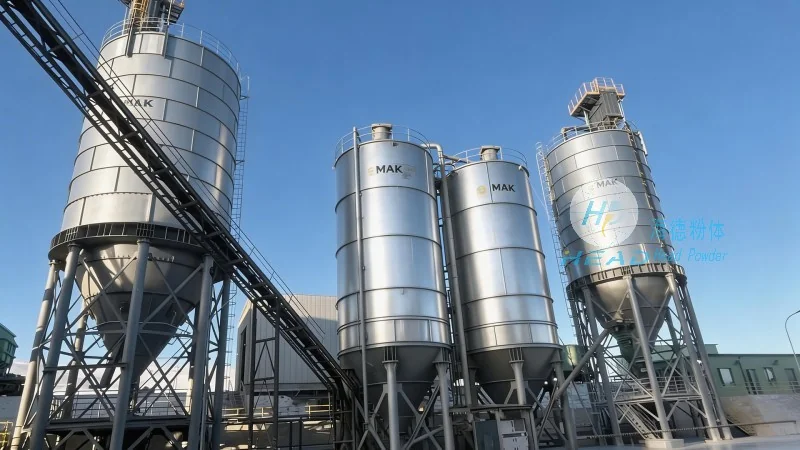
Shandong HeadPowder Engineering Co., Ltd. is a leading provider of specialized conveying solutions tailored for the chemical and environmental industries. With a focus on high-quality equipment and expert engineering, HeadPowder serves clients across China, including industrial plants, water treatment facilities, and manufacturing operations. The company’s headquarters is located in Shandong, China, where its team of experienced engineers and technicians develop and manufacture conveying systems that meet the demanding requirements of activated carbon powder handling.
Screw Conveyor (Auger Conveyor)
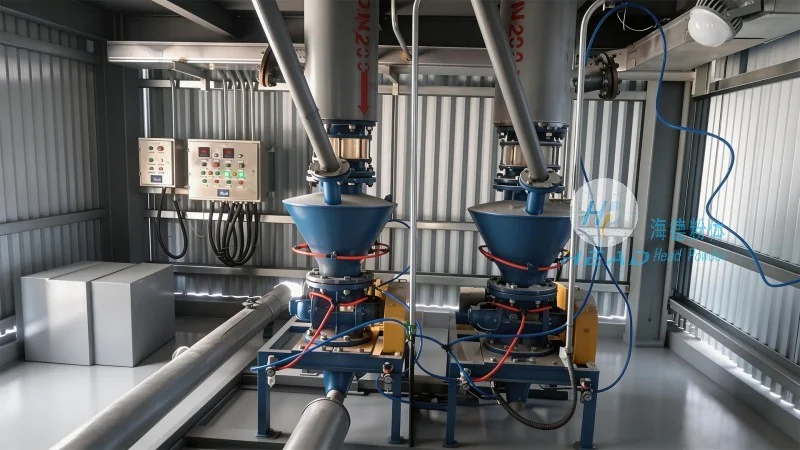
A screw conveyor, also known as an auger conveyor, is a popular choice for transporting activated carbon powder due to its simplicity and reliability. This system consists of a rotating screw (auger) inside a trough or tube, which moves material forward through the conveyor. The primary advantages of screw conveyors include low maintenance costs, compact design, and the ability to handle a wide range of particle sizes and moisture contents. However, screw conveyors have limitations when it comes to handling highly abrasive or sticky materials, as the screw and trough can experience wear over time. Additionally, they may not be suitable for long-distance transport or applications requiring high throughput, as the material velocity is relatively low compared to other methods.
Pneumatic Conveying Systems
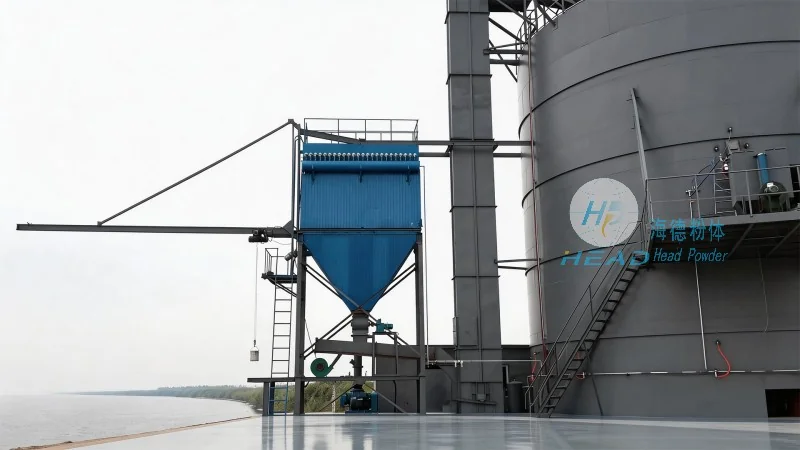
Pneumatic conveying, or air-powered transport, uses compressed air to move activated carbon powder through a pipeline. This method is ideal for applications requiring high throughput, long-distance transport, or the need to keep the material enclosed and protected from contamination. The main advantages of pneumatic conveying include high efficiency, minimal material degradation, and the ability to integrate with other processing equipment. However, this system has significant drawbacks, such as higher energy consumption compared to mechanical conveyors, potential for material degradation due to friction and pressure drops, and the need for regular maintenance of air filtration and compression systems. Additionally, the cost of installation and operation can be higher, especially for large-scale systems.
Vibrating Conveyor
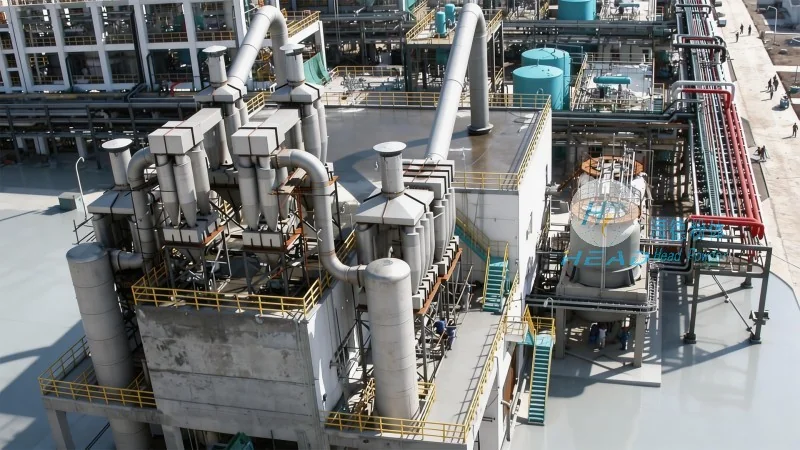
A vibrating conveyor uses an oscillating motion to move activated carbon powder along a trough. This method is particularly effective for handling materials with poor flow characteristics, such as fine powders or those prone to bridging. The advantages of vibrating conveyors include gentle material handling, which reduces product degradation, and the ability to handle a wide range of particle sizes and moisture levels. However, they may not be suitable for high-volume applications, as the conveying rate is generally lower than that of screw or pneumatic systems. Additionally, the maintenance requirements can be higher due to the need to ensure proper vibration frequency and amplitude, and the system may be more sensitive to changes in material properties.
Comparison Summary
When choosing a conveying method for activated carbon powder, it is essential to consider factors such as material characteristics, transport distance, required throughput, and operational budget. Screw conveyors offer a cost-effective solution for short to medium distances and moderate throughput, while pneumatic systems excel in high-volume, long-distance transport. Vibrating conveyors are best suited for handling difficult-to-flow materials with minimal degradation. Shandong HeadPowder Engineering Co., Ltd. specializes in designing and manufacturing customized conveying systems that address these specific needs, ensuring optimal performance and reliability for your activated carbon powder handling operations.

 Công ty TNHH Kỹ thuật Công trình Bột Hải Đức Sơn Đông
 156-6277-7102(Quản lý Trương)
  0531-83386006
  Quận Chương Khâu, Thành phố Tế Nam, Tỉnh Sơn Đông, Trung Quốc
Điện thoại
WeChatTư vấn
Lên đầu