Công ty Hải Đức Bột với hơn 10 năm kinh nghiệm vận chuyển khí, cung cấp hệ thống‑thiết bị‑quạt gió và nhận dự án tổng thầu bột cả nước
When it comes to handling and transporting rice husk powder, selecting the right conveying method is crucial for efficiency, cost-effectiveness, and operational safety. Different industries, such as power generation, biomass energy, and agricultural processing, often face unique challenges when dealing with this lightweight, fine-grained material. This article provides a detailed comparison of common rice husk powder conveying methods, focusing on their applications, advantages, and limitations. The information is presented by Shandong HeadPowder Engineering Co., Ltd., a leading provider of material handling solutions in China.
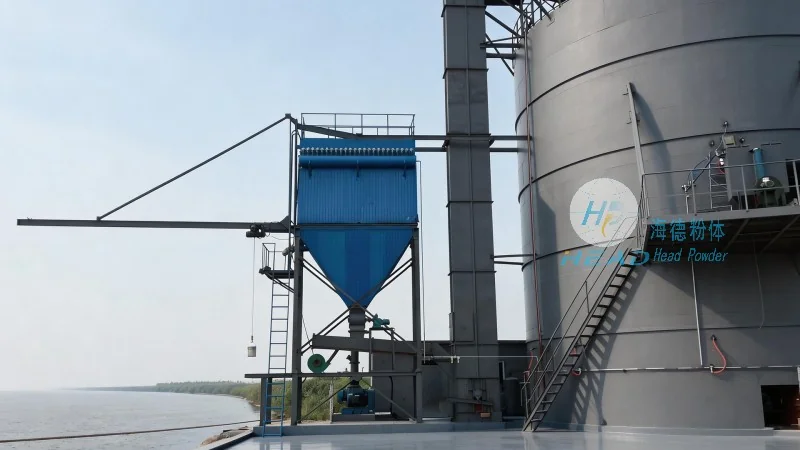
Understanding Rice Husk Powder and Conveying Challenges
Rice husk powder is a byproduct of rice processing, characterized by its low bulk density, high dust content, and tendency to create air currents when in motion. These properties make traditional conveying methods less effective and can lead to issues like material degradation, equipment wear, and environmental pollution. Therefore, choosing an appropriate conveying system is essential to ensure smooth operations and maintain product quality. Shandong HeadPowder Engineering Co., Ltd. specializes in designing and manufacturing customized conveying solutions tailored to the specific needs of rice husk powder handling.
1. Screw Conveyors (Auger Conveyors)
Screw conveyors are one of the most common and reliable methods for transporting rice husk powder. These systems consist of a rotating helical screw inside a U-shaped or cylindrical housing. The screw pushes the material forward through the housing, making them ideal for horizontal or slight incline applications. A key advantage of screw conveyors is their ability to handle fine powders without the need for additional dust control measures. They are also relatively low-cost and easy to install. However, screw conveyors have limitations when dealing with very fine or cohesive powders, as they may experience blockages or reduced efficiency. Shandong HeadPowder Engineering Co., Ltd. offers high-quality screw conveyors designed to minimize these issues, ensuring consistent performance in rice husk powder handling.
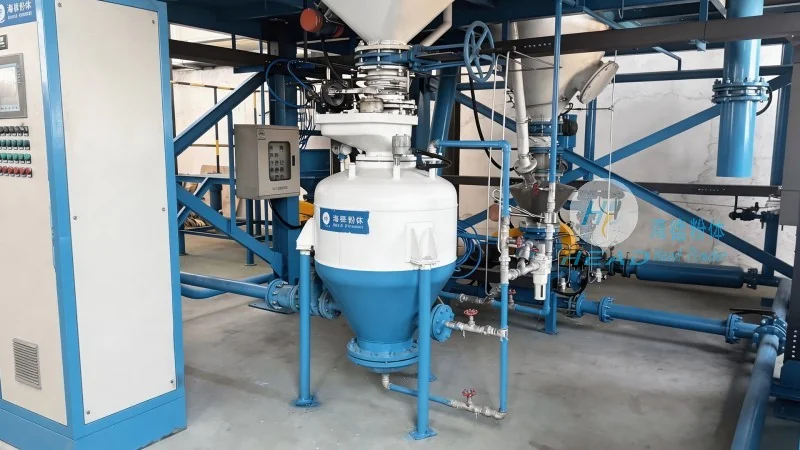
2. Pneumatic Conveying Systems
Pneumatic conveying, or air-based transport, is another popular method for rice husk powder. This technology uses compressed air to move the material through a pipeline. There are two main types: pressure and vacuum systems. Pressure systems push the material forward using high-pressure air, while vacuum systems draw the material into the pipeline using a vacuum. Pneumatic conveying is highly effective for long-distance transport and can handle both fine and coarse powders. It also allows for enclosed systems, reducing dust emissions and improving safety. However, pneumatic systems require more energy and maintenance compared to other methods. They are also susceptible to material buildup in the pipeline, which can lead to clogs. Shandong HeadPowder Engineering Co., Ltd. provides advanced pneumatic conveying solutions that optimize energy use and ensure reliable operation for rice husk powder transport.
3. Belt Conveyors
Belt conveyors are widely used in bulk material handling, including rice husk powder. These systems consist of a continuous belt that moves over rollers or idlers, transporting the material from one point to another. Belt conveyors are suitable for both horizontal and inclined applications and can handle large volumes of material. They are relatively simple to operate and maintain, making them a cost-effective option for many industries. However, belt conveyors are less efficient for fine powders due to the risk of material spillage and dust generation. They also require regular cleaning and maintenance to prevent belt wear and material buildup. Shandong HeadPowder Engineering Co., Ltd. manufactures durable belt conveyors designed to handle the unique challenges of rice husk powder, ensuring long-lasting performance.
4. Bucket Elevators
Bucket elevators are vertical or inclined conveyors that use a series of buckets attached to a chain or belt to lift and transport material. They are particularly effective for vertical transport of rice husk powder, as they can handle both fine and coarse particles without the need for additional support. Bucket elevators are known for their high capacity and ability to transport material over long vertical distances. However, they are more complex and expensive to install compared to other methods. They also require regular inspection to prevent bucket wear and chain breakage. Shandong HeadPowder Engineering Co., Ltd. offers robust bucket elevators that ensure safe and efficient vertical transport of rice husk powder.
5. Air-Lift Conveyors
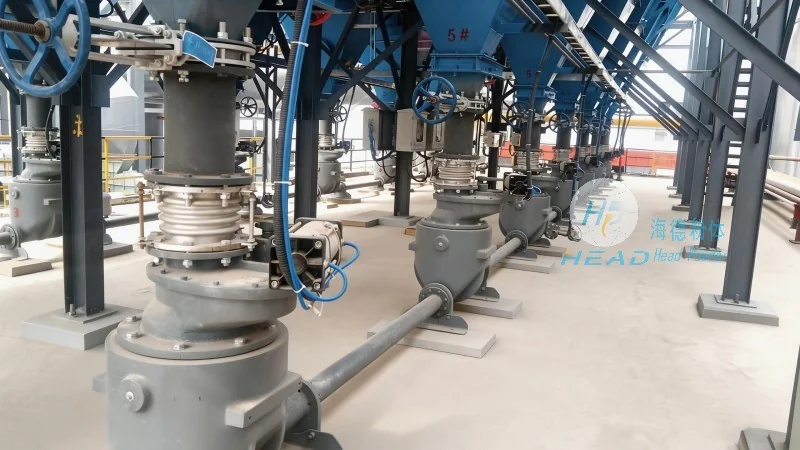
Air-lift conveyors, also known as pneumatic lifters, use a combination of air pressure and gravity to transport rice husk powder. These systems consist of a vertical pipe with an inlet at the bottom and an outlet at the top. The material is fed into the pipe, and compressed air is introduced at the bottom, lifting the material upward. Air-lift conveyors are simple, low-cost, and suitable for short vertical distances. However, they have limited capacity and are not suitable for long-distance or high-volume transport. They are also prone to material segregation and can cause dust issues if not properly sealed. Shandong HeadPowder Engineering Co., Ltd. provides efficient air-lift conveyors that are ideal for small-scale rice husk powder handling applications.
Choosing the Right Conveying Method for Rice Husk Powder
When selecting a conveying method for rice husk powder, several factors must be considered, including the material's properties, the distance to be covered, the required capacity, and the available budget. Shandong HeadPowder Engineering Co., Ltd. recommends evaluating each method based on these criteria to ensure the best fit for the application. For example, screw conveyors are ideal for horizontal transport of fine powders, while pneumatic systems are better for long-distance or enclosed transport. Belt conveyors are suitable for large volumes but require careful dust control. Bucket elevators are perfect for vertical transport, and air-lift conveyors are best for short vertical distances. By understanding the advantages and limitations of each method, businesses can choose the most efficient and cost-effective conveying solution for their rice husk powder handling needs.
Conclusion
Efficient and reliable conveying of rice husk powder is essential for optimizing operations in industries such as biomass energy and agricultural processing. Shandong HeadPowder Engineering Co., Ltd. specializes in providing customized material handling solutions that address the unique challenges of rice husk powder. By comparing different conveying methods, businesses can make informed decisions that enhance productivity, reduce costs, and improve safety. Whether using screw conveyors, pneumatic systems, belt conveyors, bucket elevators, or air-lift conveyors, the right choice depends on the specific requirements of the application. Shandong HeadPowder Engineering Co., Ltd. is committed to delivering high-quality conveying solutions that meet the needs of its clients and contribute to the success of their operations.

 Công ty TNHH Kỹ thuật Công trình Bột Hải Đức Sơn Đông
 156-6277-7102(Quản lý Trương)
  0531-83386006
  Quận Chương Khâu, Thành phố Tế Nam, Tỉnh Sơn Đông, Trung Quốc
Điện thoại
WeChatTư vấn
Lên đầu